How to stop a plumbing leak from causing subfloor damage
A slow plumbing leak can rot your subfloor before you see a single stain. Here's how Sugar Land homeowners stop it early and dry the subfloor fast.
You stop a plumbing leak from causing subfloor damage by shutting off the water within minutes, pulling up the wet flooring, and drying the subfloor to below 16% moisture content within 24 to 48 hours. In Sugar Land, that window is tighter than most homeowners expect because our clay-heavy soil holds moisture against the slab and our summer humidity slows evaporation.
Below, we walk through why subfloors rot so fast, the early signs most people miss, and the exact steps our technicians take to dry a wet subfloor before it warps, molds, or forces a full replacement.
Why plumbing leaks damage subfloors so fast
Plumbing leak subfloor damage in Sugar Land, Texas happens fast because subfloor panels are made of plywood or OSB, and both start losing structural strength at just 20% moisture content. A pinhole leak behind a vanity can drip a quart of water a day into the same 2-square-foot area for weeks before you notice anything.
Three things make it worse here:
- Slab-on-grade construction. Most Sugar Land homes sit on concrete slabs, so water that reaches the subfloor has nowhere to drain. It pools, wicks sideways, and stays.
- Expansive clay soil. The same soil that cracks foundations after a dry summer also traps moisture under the slab after a leak, keeping the subfloor damp long after the pipe is fixed.
- High indoor humidity. From May through October, indoor relative humidity in Sugar Land routinely sits above 60%. Wet subfloor panels dry 30-40% slower than they would in a drier climate.
Wood rot fungi need four things: moisture, oxygen, a food source (wood), and temperatures between 65°F and 90°F. Sugar Land supplies all four for most of the year. That's why a leak that would be a nuisance in Denver becomes a $4,000 subfloor replacement here.
Signs of subfloor water damage in Sugar Land homes
Signs of subfloor water damage in Sugar Land homes usually show up in the flooring before they show up on the subfloor itself. The earlier you catch them, the smaller the repair.
Watch for these:
- Soft or spongy spots under tile, vinyl, or carpet. Press with your heel. A healthy subfloor feels solid; a damaged one gives slightly.
- Cupping or crowning hardwood. Edges that curl up (cupping) or centers that rise (crowning) mean moisture is coming from below.
- A musty smell that won't leave. If your closets or under-sink cabinets smell earthy even after cleaning, mold is likely growing on the subfloor.
- Bubbling or peeling paint at the base of walls near bathrooms, kitchens, and laundry rooms.
- A water bill that jumped 10-20% with no change in habits. A toilet flapper leak alone can waste 200 gallons a day.
- Warm spots on the floor over a slab leak. Hot-water lines under the slab heat the concrete, and that heat transfers up.
If you see two or more of these, stop reading and shut off the main water valve. Then call a plumber to find the source. We handle the drying side, and we work alongside licensed plumbers every week on jobs like this.
How to stop a plumbing leak from causing subfloor damage
How to stop a plumbing leak from causing subfloor damage comes down to speed and sequence: stop the water, remove the flooring, dry the subfloor, then repair. Skipping the drying step is the single biggest reason homeowners end up replacing subfloor panels they could have saved.
Step 1: Shut off the water and kill the power
Find your main shut-off valve - usually near the street or on an exterior wall - and turn it clockwise until it stops. If the leak is near electrical outlets or under a fridge, flip the breaker for that room. Water and 120-volt circuits don't mix.
Step 2: Document everything before you move it
Take photos of the wet area, the leak point, and any damaged flooring. Your insurance adjuster will want them, and so will we if you file a claim. Most Sugar Land homeowner policies cover sudden plumbing leaks but not long-term seepage, so documentation matters.
Step 3: Pull up the wet flooring
Carpet and pad come up first - they hold water like a sponge and will re-wet the subfloor if left down. Vinyl plank and laminate usually pop up with a pry bar. Tile is a different story; you'll likely need a pro to remove it without cracking the surrounding field.
If the leak came from a supply line under the sink, the damage is often confined to the cabinet base and the first 12-18 inches of subfloor. If it came from a slab leak, water can travel 6-10 feet along the slab before it finds a low point.
Step 4: Dry the subfloor to below 16% moisture
This is the step most homeowners rush. A wet subfloor needs moving air, heat, and dehumidification - not just a box fan and an open window. We use commercial-grade air movers and refrigerant dehumidifiers that pull 80-120 pints of water per day out of the air.
For deeper saturation, we drill small weep holes through the subfloor to let trapped water escape and inject warm dry air underneath. That's part of our subfloor water damage repair Sugar Land process, and it typically takes 3-5 days for a moderately wet subfloor to reach safe moisture levels.
Step 5: Treat for mold before you close it up
Any subfloor that stayed wet longer than 48 hours needs an antimicrobial treatment. We apply an EPA-registered product to the affected panels and the surrounding framing, then let it dry fully before flooring goes back down.
How to dry a wet subfloor in Sugar Land
How to dry a wet subfloor in Sugar Land depends on what's above it and how long it's been wet. A subfloor that's been wet for 12 hours needs air movement. One that's been wet for two weeks needs extraction, dehumidification, and possibly panel replacement.
Here's the drying setup we use on most Sugar Land jobs:
- Air movers: one 1/3-horsepower unit per 10-15 linear feet of wet wall, angled at 15 degrees to sweep moisture off the surface.
- Dehumidifier: sized to the cubic footage of the room. A 12x15 bedroom needs a 70-pint unit minimum; larger open floor plans need 130+ pints.
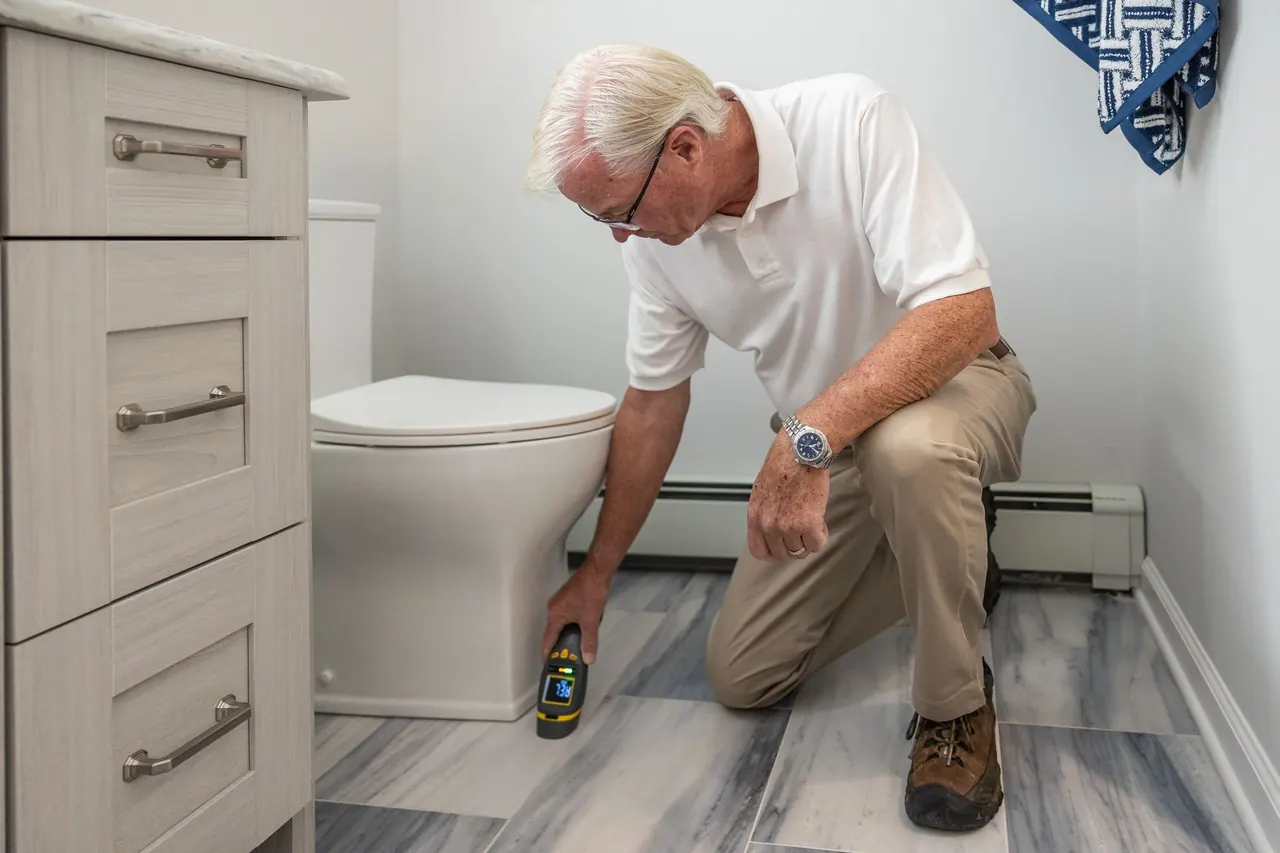
- Moisture meter readings: taken daily. We log them so you can see the subfloor dropping from 28% toward 12-14%.
- Temperature: we keep the drying zone between 80°F and 95°F. Warmer air holds more moisture, which speeds evaporation.
If the leak was in a bathroom or kitchen, we also check the wall water damage repair Sugar Land side of the equation. Water wicks up drywall 6-12 inches above the visible stain, and if you don't dry that too, the subfloor will re-wet from the wall side.
For homes in First Colony, Riverstone, and Telfair where slab-on-grade construction is standard, we often add a dehumidification Sugar Land TX setup that runs 24 hours a day for the first 72 hours. It's the difference between saving the subfloor and replacing it.
Common mistakes that make subfloor damage worse
The most expensive subfloor repairs we see in Sugar Land started with one of these mistakes. Avoid them and you'll save thousands.
- Running a shop vac and calling it done. A shop vac pulls surface water. It does nothing for the moisture already soaked into the plywood.
- Leaving carpet down to "see if it dries." Carpet pad holds water against the subfloor for weeks. Pull it up the same day.
- Turning the AC off to "dry things out." Your AC is a dehumidifier. Turning it off in a Sugar Land summer makes the problem worse, not better.
- Painting or sealing over a damp subfloor. Kilz and similar products trap moisture underneath. The wood rots anyway, just out of sight.
- Waiting on the insurance adjuster before drying. You have a duty to mitigate damage. Drying first and documenting as you go is standard practice and won't hurt your claim.
- Ignoring the source. If you dry the subfloor but don't fix the leak, you'll be back in the same spot in 60 days.
One more: don't assume a small stain means a small leak. Water travels along the path of least resistance, so the stain you see on the ceiling might be 8 feet from the actual pipe failure.
When to call a professional
Call a professional when the wet area is larger than 10 square feet, when the subfloor has been wet longer than 48 hours, or when you smell mold. Those three conditions push the job past what a shop vac and a box fan can fix.
We handle subfloor water damage repair in Sugar Land, Texas every week - from single-room leaks to whole-house slab leak aftermath. Our technicians carry moisture meters, thermal imaging cameras, and commercial drying equipment on every truck. We find the wet zone, dry it to documented standards, and treat for mold before we close anything up.
If you're not sure whether you need help, call us anyway. A 10-minute phone conversation is cheaper than a subfloor replacement. You can also read more about our full Water Damage Restoration Sugar Land TX services to see how we handle everything from emergency extraction to final moisture verification.
Frequently Asked Questions
How do I stop a plumbing leak from causing subfloor damage in Sugar Land?
Shut off the main water valve within 5 minutes, pull up wet flooring, and start drying the subfloor within 24 hours. Subfloor panels in Sugar Land's humid climate can begin growing mold in 48-72 hours, so speed matters more than any single technique.
What are the signs of subfloor water damage in Sugar Land TX?
Soft or spongy floor spots, cupping hardwood, a musty smell that returns after cleaning, and a water bill that jumped 10-20% are the top four. Warm spots on the floor often point to a slab leak under the foundation.
Can subfloor water damage be repaired in Sugar Land?
Yes, if caught within 48 hours and dried to below 16% moisture content. Panels that have delaminated, rotted, or grown visible mold need replacement - usually $3-$8 per square foot in 2026 Sugar Land pricing, including labor and materials.
Who do I call for subfloor water damage in Sugar Land, Texas?
Call a licensed plumber first to stop the leak, then a water damage restoration company to dry and treat the subfloor. We work alongside plumbers daily and can coordinate both sides so nothing gets missed between the two trades.
How long does it take to dry a wet subfloor?
Most Sugar Land subfloors reach safe moisture levels in 3-5 days with commercial air movers and dehumidifiers. Deeper saturation - slab leaks, long-running supply line failures - can take 7-10 days. We log daily readings so you can see the progress.
Get help with Water Damage Restoration in Sugar Land
If a plumbing leak has left your subfloor wet, we can be at your door today. Our team handles extraction, structural drying, mold treatment, and final moisture verification - all documented so you know the job is actually done.
Call Sugar Land Water Damage Pros at (281) 326-6146 and we'll walk you through the next step in under five minutes.