Focused arrival windows
Useful updates and clear arrival timing.

Standing Water Removal Sugar Land TX is the fast way to get water off your floor before it reaches the subfloor. We handle emergency standing water cleanup Sugar Land calls for slab leaks, burst pipes, appliance failures and storm intrusion across Fort Bend County. Crews roll with submersible pumps, water extraction units and Dri-Eaz air movers, and we answer the phone 24/7. Call (281) 326-6146 and we will be at your door today.
Useful updates and clear arrival timing.
Review the approach and price before deciding.
Equipped vehicles and respectful cleanup.
Neighbors serving neighbors with follow-through.
Every standing water job starts with the same core scope: find the water, remove it, dry the structure and document it. What changes is how much material is wet and how far the water traveled. Here is what is included on a standard call, and what we handle as an add-on when the damage calls for it.
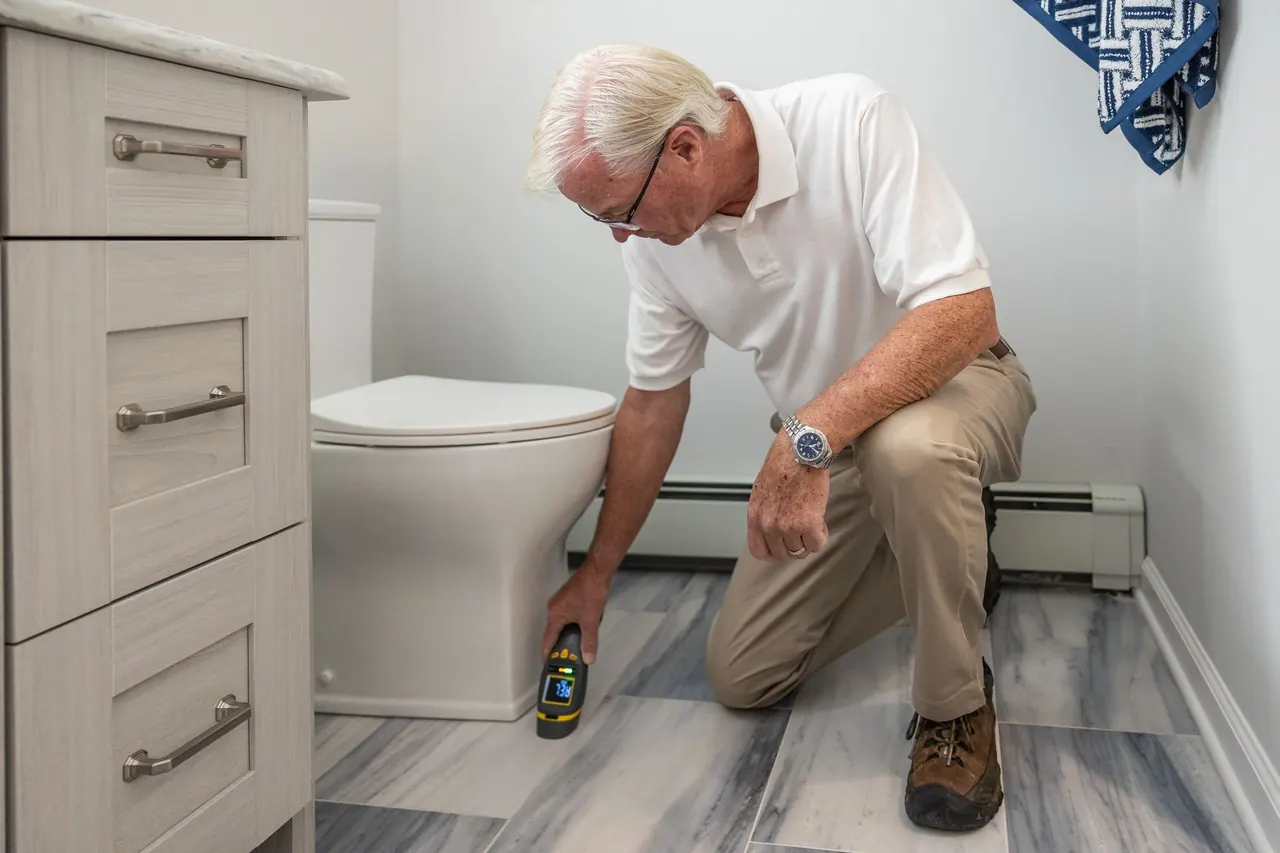
We map the wet zone with a moisture meter, thermal imaging camera and infrared thermometer before we touch a pump. That tells us exactly which materials are wet and how far the water traveled, so we dry the whole problem instead of just the visible puddle.
Standing water over two inches gets a submersible pump. The rest comes out with a water extraction unit and a RIDGID wet/dry vacuum. We extract from carpet, pad, grout lines and hard flooring, and we keep going until the surface is dry to the touch.
Every wet surface gets an antimicrobial solution before drying equipment goes down. This is standard on toilet overflow and storm water jobs, and we do it on clean water jobs too because mold does not ask where the water came from. It is cheap insurance against a mold claim.
We set Dri-Eaz and Phoenix Restoration Equipment air movers and dehumidifiers sized to the room, then check readings every 24 hours with a moisture meter and hygrometer. Equipment stays until the materials hit a dry standard. Most rooms take three to five days.
HEPA filters and air scrubber filters run during drying to pull mold spores, dust and debris out of the air. This matters most after storm water intrusion or when drywall has been open for a few days. You will notice the air smells neutral, not musty, when we are done.
We photograph moisture readings, log daily hygrometer data and build the scope in Xactimate. You get a written drying report and a moisture map at the end. That package is what your insurance adjuster needs to approve the claim without a second inspection.
Share what is happening and receive a clear next step from the local team.
Standing Water Removal Sugar Land TX is the process of pumping, extracting and drying every drop of standing water from a structure before it wicks into drywall, baseboard and subfloor panels. We start with a moisture meter and thermal imaging camera to map the wet footprint, then drop a submersible pump for anything over two inches. A water extraction unit pulls the rest, and a hygrometer tells us exactly when the slab and framing are dry. Most residential jobs take two to four hours of active extraction, with drying equipment running three to five days.
Sugar Land sits on clay-heavy soil along the Brazos River corridor, so a slab leak or a backed-up toilet overflow in a First Colony ranch home spreads fast across the slab. We see it every spring after heavy rain and every winter when a pipe bursts in an unheated garage. If you are searching standing water removal Sugar Land TX near me at 2 a.m., that is usually a water heater or washing machine supply line that let go. We stop the source, then remove standing water Sugar Land homeowners can walk on safely again.

You call (281) 326-6146 and talk to a real person, not a call center. We ask what leaked, how long the water has been sitting and whether the power is safe to leave on. That tells us what equipment to load. We give you an arrival window on the spot and text you when the crew is rolling.
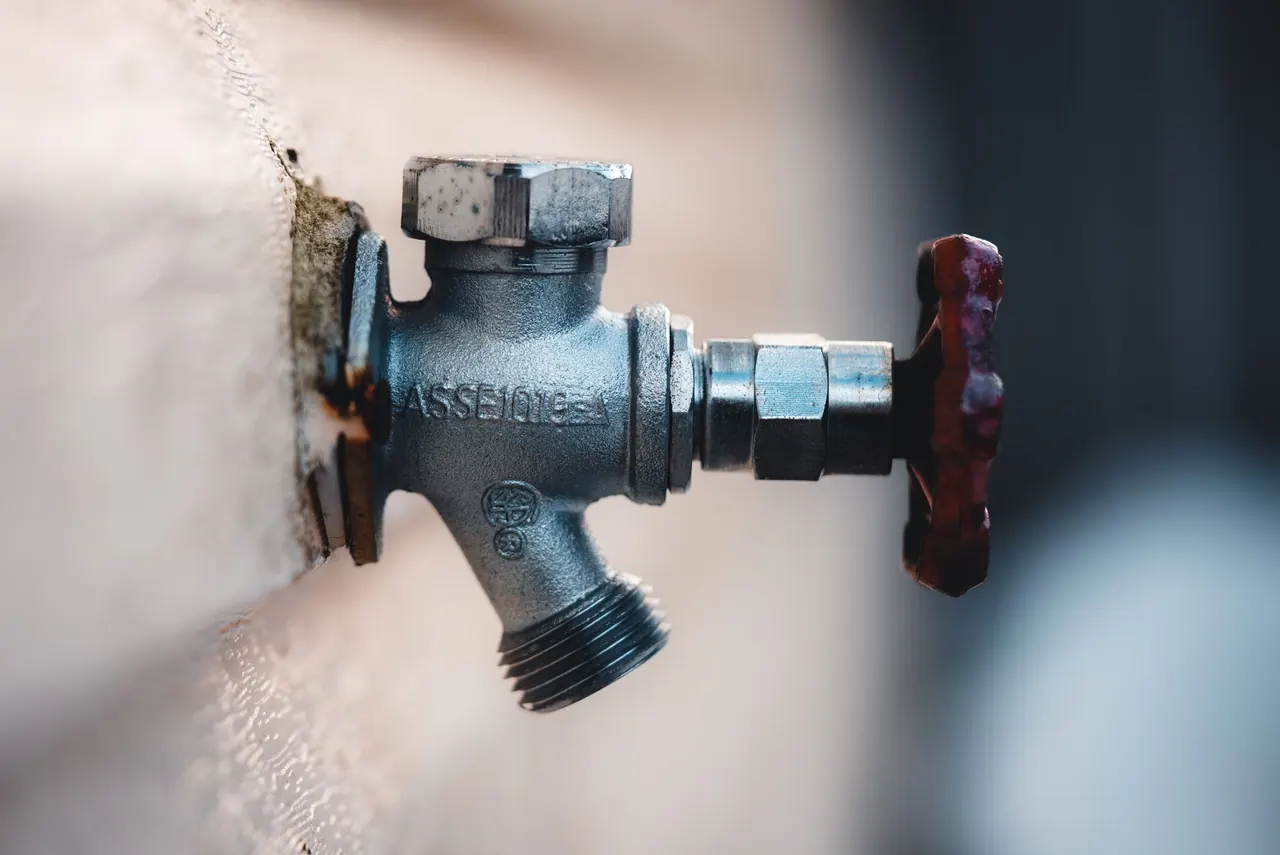
First thing on site, we shut off the water supply or the appliance valve feeding the leak. If it is a slab leak, we isolate the line. No extraction matters if water is still coming in. This step takes five to fifteen minutes and stops the damage from growing while we set up.
For anything deeper than two inches we drop a submersible pump and run discharge hose to a safe drain. Then a water extraction unit and a RIDGID wet/dry vacuum pull water out of carpet, pad and grout lines. A 200-square-foot room with half an inch of water usually takes 45 to 90 minutes to clear.
We set Dri-Eaz and Phoenix Restoration Equipment air movers and dehumidifiers, then check readings with a moisture meter and hygrometer every 24 hours. Carpet and pad typically dry in two to three days. Drywall and subfloor panels take three to five. We adjust equipment placement daily based on the numbers, not a calendar.
Before we pull the last air mover, we confirm every affected material is back to a dry standard and take final photos for your file. You get a written drying report, a moisture map and a walkthrough of what we did. If you want, we will also flag the leak source so your plumber can make the permanent repair.
Pulls standing water deeper than two inches out of rooms and crawl spaces fast. We run discharge hose to a safe drain so water leaves the house instead of spreading.
Truck-mounted and portable units that pull water out of carpet, pad and hard flooring. This is the workhorse on every standing water job.
A moisture meter tells us how wet the drywall, baseboard and subfloor are. A hygrometer tracks humidity in the air so we know when drying is actually finished.
Shows temperature differences behind walls and under floors, which reveals hidden water damage behind walls and wet spots you cannot see. It is how we find water twenty feet from the visible puddle.
A flexible camera that goes inside wall cavities and under cabinets. We use it to confirm whether water reached the framing or just the surface.
Commercial air movers that drive evaporation from wet materials. We place them based on the moisture map, not in a random circle around the room.
Pulls moisture out of the air so wet materials can dry, while HEPA filters and air scrubber filters remove mold spores and debris from the air stream.
The IICRC S500 standard defines how to dry a water-damaged structure and when it is actually dry. We follow it on every job, which is why our drying reports hold up with insurance adjusters and why we do not pull equipment early.
We build the job scope in Xactimate, the same software most insurance carriers use. That means your adjuster sees line items they recognize, which speeds up approval and reduces back-and-forth on your claim.
We take moisture meter and hygrometer readings every 24 hours and adjust equipment placement based on the numbers. Drying is a measured process, not a guess, and the daily log proves it.
Before drying equipment goes down, we apply antimicrobial solution to every wet surface. It is standard on category 3 water and smart on clean water jobs, because mold growth can start in 24 to 48 hours.
We shut the valve, extract the water from the kitchen and any room it ran into, and dry the cabinet base and subfloor. A moisture meter tells us whether the toe kick and wall cavity are wet even when the floor looks dry. Kitchen is dry in three to four days, cabinet base is saved, and you have documentation for your insurance claim.
We answer the phone, dispatch a crew, shut the supply and pump out the standing water. Then we extract from carpet and pad, set air movers and dehumidifiers, and monitor daily until readings are dry. Water is out before sunrise, carpet and pad are dried or replaced, and the subfloor is protected from mold.
We pump out, extract from carpet and hard flooring, and treat every surface with antimicrobial solution because storm water is contaminated. HEPA filters and air scrubber filters run during drying. Living room is dry in three to five days, no musty smell, and the door threshold is flagged for repair so it does not happen again.
We shut the supply, pump out the closet, extract from the hallway flooring and dry the walls and baseboard. We also check the pan and drain line so the next heater does not repeat the mess. Water is gone the same day, hallway flooring is dried, and you know exactly what to fix before the new heater goes in.
Sugar Land sits on expansive clay soil along the Brazos River corridor, and that changes how water behaves in your house. Clay shifts as it gets wet and dries, which stresses underground plumbing and makes slab leaks a regular call. Most homes here are slab-on-grade, so water spreads sideways across the slab instead of draining down. Gulf Coast humidity means extraction alone is not enough; we run desiccant dehumidifiers longer here than crews do in drier parts of Texas. Spring storms push water under doors and through roof leaks, and winter freezes split copper supply lines in garages and attics. If you need to remove standing water Sugar Land homes after any of these events, call us and we will map the wet zone, pump it out and dry the structure to the IICRC S500 standard. We work across Fort Bend County and know the building stock from Old Sugar Land bungalows to newer Riverstone construction.
Mostly slab-on-grade ranch and two-story homes built in the 1980s and 1990s. Aging copper supply lines and water heaters are the most common standing water sources we see here.
Newer construction with PEX plumbing, but slab leaks still happen because of clay soil movement. We see a lot of water heater failures and dishwasher line leaks in these homes.
Large two-story homes where an upstairs supply line failure can send water through the ceiling into the first floor. Ceiling water damage drying is common on these calls.
Established neighborhood with mature trees whose roots can crack sewer and water lines. Crawl space flooding and slab leaks show up here after heavy rain.
Commercial and mixed-use buildings where a single supply line break can affect multiple tenants. We run after-hours crews so businesses keep operating.
Soil movement stresses underground plumbing and causes slab leaks. Water comes up through the slab and soaks flooring from underneath, so we dry from the top down and document slab moisture.
Wet materials dry slower here than in drier climates. We run desiccant dehumidifiers longer and monitor with a hygrometer until readings hit a dry standard, not a calendar date.
Heavy rain pushes water under doors and through roof leaks, while freezes split supply lines. Both create emergency standing water calls, and we staff crews for both seasons.
A 50-gallon water heater failed overnight and put about an inch of water across a hallway, two bedrooms and a closet. Carpet and pad were soaked, and water had reached the baseboard in both bedrooms. The homeowner called us at 6 a.m.
We pumped and extracted the standing water in under three hours, pulled the wet pad, and set air movers and a dehumidifier. Daily readings showed the carpet and subfloor dry in four days. Baseboards were dried in place and saved.
Maintenance: Replace rubber supply hoses with braided steel, flush the water heater annually, and check the pan and drain line every six months. A $30 pan alarm would have caught this in minutes.
Laminate flooring in a Telfair living room started cupping, and a moisture meter showed the slab was wet twenty feet from the visible damage. The homeowner had no idea how far the water had spread. The leak had been running for at least a week.
We extracted the standing water, removed the affected laminate, and dried the slab and baseboards over five days. Final moisture readings matched a dry standard, and the homeowner's insurance covered the flooring replacement.
Maintenance: Watch for warm spots on the floor and unexplained spikes in your water bill. A slab leak detection check every couple of years is cheap compared to replacing a floor.
A spring storm pushed water under a back door and across a Riverstone living room and dining area. Carpet, pad and the bottom of the drywall were wet, and the water was contaminated with outdoor debris. The family was worried about mold.
We pumped out, extracted the carpet, removed the wet pad and applied antimicrobial solution to every affected surface. HEPA filters ran during drying, and the room was dry in four days with no musty smell. Drywall was dried in place without replacement.
Maintenance: Check the door threshold and weather stripping before storm season, and keep gutters clear so water drains away from the foundation. A $20 door sweep prevents most of these calls.
Standing water is never just water. It is a clock. Here are the problems we see most often in Sugar Land homes and what happens when they are ignored.
Water wicks into laminate, tile grout and subfloor panels from underneath, so the surface looks dry while the slab stays wet. Left alone, it feeds mold growth and warps flooring within a week. We extract the standing water, dry the slab and flooring from the top down, and document the moisture readings so your plumber can locate and repair the line. We also check the baseboard and drywall for wicking.
A burst supply line can release hundreds of gallons before anyone wakes up. Carpet, pad and drywall soak through, and mold can start within 24 to 48 hours. Ceiling water stains usually show up the next day. We shut the line, pump out the standing water and extract from every affected material. Air movers and dehumidifiers go down the same visit, and we monitor daily until the structure is dry. Most overnight burst pipe jobs are dry in three to four days.
Toilet overflow is category 3 water, which means it carries bacteria. If it is not treated, the bathroom and any room it reached can grow mold and hold a smell that no amount of cleaning fixes. We extract the water, apply antimicrobial solution to every surface it touched, and dry the bathroom, hallway and subfloor. We also check the wall cavity with a boroscope inspection camera to make sure water did not run behind the baseboard.
Gulf storms push water under doors and through roof leaks, soaking carpet, drywall and insulation. Storm water is contaminated, so it needs more than drying. Ignoring it leads to mold and structural rot. We pump out, remove debris, extract from carpet and hard flooring, and disinfect with antimicrobial solution. Roof leak water extraction targets the attic and ceiling framing before the damage spreads downward into living space.
$350 - $1,800 depending on scope
Typical 2026 pricing for standing water removal in Sugar Land runs $350 to $1,800 for most residential jobs. A single room with a small puddle and two days of drying sits near the low end. A whole first floor with carpet, pad and baseboard removal pushes toward the top. We give you the number before we start, and we bill your insurance directly when the claim covers it. Affordable standing water cleanup Sugar Land pricing means no surprise line items after the work is done.
The price covers extraction, antimicrobial treatment, equipment setup, daily monitoring and a written drying report. Skipping any of those steps is how a $600 job turns into a $6,000 mold remediation six weeks later.
One room with half an inch of water takes far less time and equipment than three rooms with two inches. Volume drives pump time, extraction time and how many air movers we need.
Clean water from a supply line is the simplest. Toilet overflow and storm water are category 3 and require antimicrobial treatment, debris removal and sometimes pad replacement, which adds cost.
Carpet and pad are quick to extract but may need replacement. Hardwood, laminate and subfloor panels take longer to dry and sometimes need removal. The more material affected, the higher the price.
Most jobs dry in three to five days. Slab leaks and category 3 water can run longer because the slab and wall cavities hold moisture. Every extra day of equipment rental adds to the total.
A crawl space or a second-floor bathroom is harder to work in than a ground-floor hallway. Emergency calls at 2 a.m. carry the same equipment but a different dispatch cost than a weekday afternoon.
Our technicians carry IICRC WRT, IICRC ASD and IICRC AMRT credentials and train on the same equipment the big franchises use: Dri-Eaz, Phoenix Restoration Equipment, DeWalt, Milwaukee and RIDGID. We work to the IICRC S500 drying standard and follow Texas Department of Licensing and Regulation (TDLR) mold rules on every job. Sugar Land's slab-on-grade construction, clay soil and humid Gulf Coast air make water behave differently here than it does up north, and we have dried enough First Colony, Telfair and Greatwood homes to know where water hides. We are licensed, insured and bonded, and we document every job in Xactimate so your insurance claim moves.
Our water heater let go on a Saturday morning and put about an inch of water across the hallway and two bedrooms. The crew was here in under two hours, pumped it out and had air movers running by lunch. They checked moisture every day and pulled the equipment when the readings were dry, not on a fixed schedule. Four days later you could not tell anything happened.
A slab leak soaked our laminate flooring and we had no idea how far it spread. They used a thermal camera and found water twenty feet from where we saw it. Extracted everything, dried the slab and gave us a report our insurance adjuster accepted without questions. I have already recommended them to two neighbors in Telfair.
A supply line broke overnight in one of our retail units. They answered at 3 a.m., had a crew on site by 4:15 and saved the tenant's inventory. The drying logs and photos made the claim easy. As a property manager, that documentation is worth as much as the work itself.
Most residential standing water removal jobs in Sugar Land run $350 to $1,800 in 2026, depending on how much water there is and how many rooms are affected. A single-room extraction with two days of drying sits near the low end. A whole first floor with carpet, pad and baseboard removal pushes toward the top. We give you the number before we start, and most insurance policies cover the work minus your deductible.
Yes. We run same-day standing water extraction Sugar Land calls seven days a week, and in most cases a crew is at your door within two to four hours of your call. If you are searching standing water pump out near me Sugar Land right now, call (281) 326-6146. We keep crews on standby for Fort Bend County and can be moving water out of your house the same afternoon.
We do. Our line is answered around the clock, including holidays, and we dispatch for emergency standing water cleanup Sugar Land TX calls at any hour. Night calls are usually burst pipes, water heater failures and washing machine supply lines that let go. We bring the same pumps, extraction units and drying equipment on a 3 a.m. call as we do at noon.
The most common causes we see are slab leaks, burst pipes, water heater failures, toilet overflows, appliance leaks and storm water intrusion. Sugar Land's clay soil shifts with wet and dry cycles, which stresses underground lines and causes slab leaks. Gulf Coast humidity and heavy spring rain also push water through roof leaks and crawl space flooding. A moisture meter and thermal imaging camera usually pinpoint the source within the first hour.
Not seeing your question? Our local team can help you understand urgency, scheduling and what to expect.
Ask the local team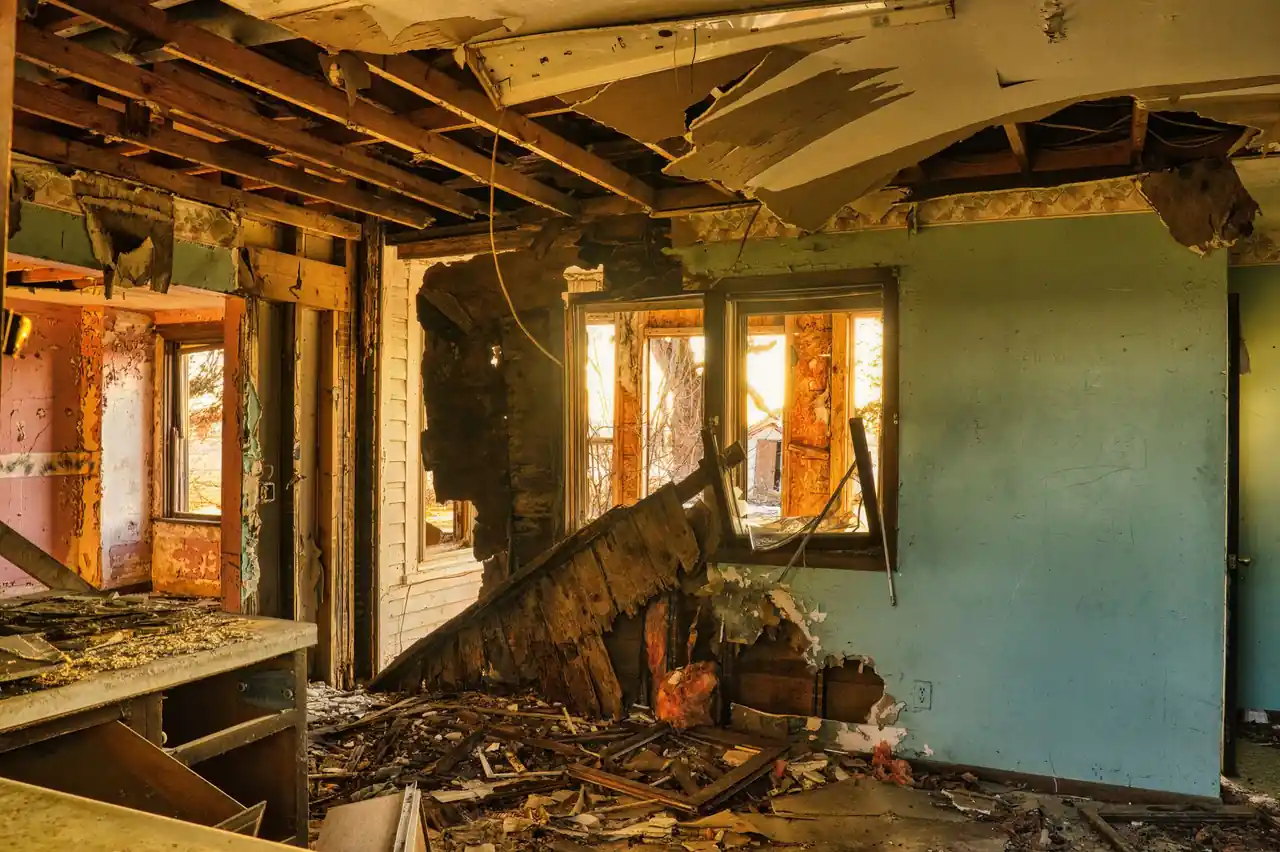
When standing water has already soaked into drywall and flooring, full emergency water damage restoration picks up where extraction ends. We dry the structure, treat for mold and rebuild what needs replacing. Most Sugar Land calls start as a standing water emergency and finish as a restoration job.
View service
Houses in First Colony, Telfair and Greatwood are mostly slab-on-grade, so water spreads across the slab fast. Our residential water damage restoration service covers extraction, structural drying and repairs for single-family homes. We handle the whole job from wet carpet to painted baseboard.
View service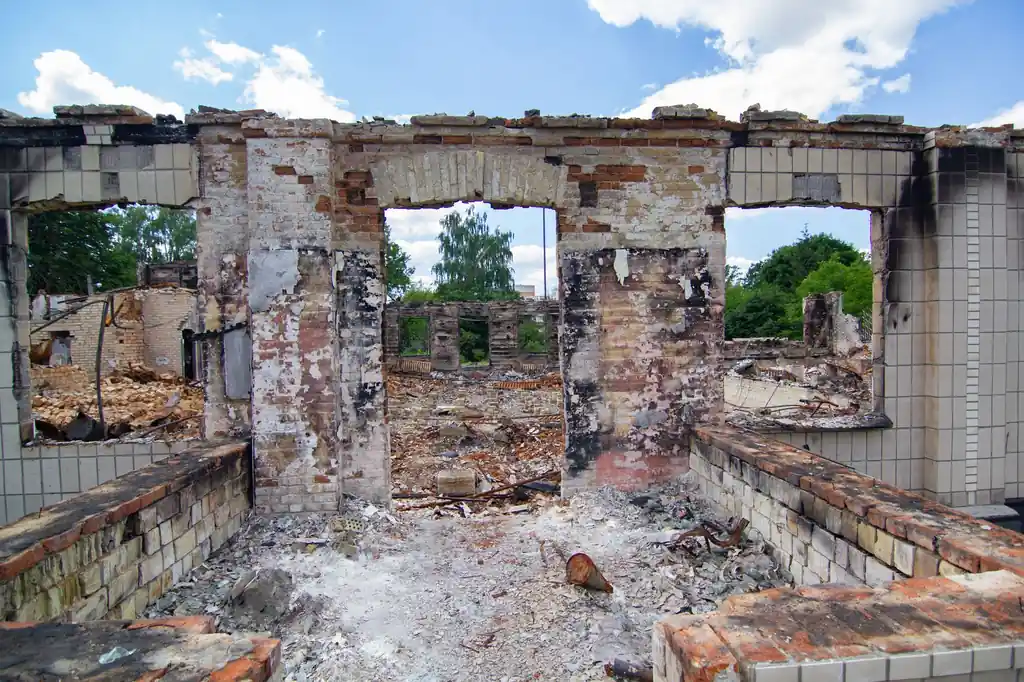
A burst line in a Sugar Land Town Square storefront or an office on Highway 6 can shut you down for days. We run commercial water damage restoration with after-hours crews so your business keeps operating. Extraction, drying and documentation all happen around your schedule, not ours.
View service
Emergency water extraction is the first phase of standing water removal. We pull water out of carpet, pad and hard flooring with truck-mounted units and wet/dry vacuums. In most Sugar Land homes, extraction is complete within two to four hours of arrival.
View service
We answer the phone 24 hours a day, every day of the year. Tell us what's wet and we'll tell you what to do while we're on the way. Most Sugar Land addresses see a truck within 60 to 90 minutes, and we serve all of Fort Bend County, including ZIP codes 77498, 77478, 77479, 77487, and 77496.