Focused arrival windows
Useful updates and clear arrival timing.

When a pipe bursts or a water heater lets go, Residential Water Damage Restoration in Sugar Land from our IICRC-certified team stops the damage fast. We handle home water damage repair in Sugar Land for homeowners across Fort Bend County, from First Colony to Riverstone. We extract standing water, dry structural cavities, and document everything for your insurance claim.
Useful updates and clear arrival timing.
Review the approach and price before deciding.
Equipped vehicles and respectful cleanup.
Neighbors serving neighbors with follow-through.
Every job starts with an inspection and moisture map, then moves through extraction, drying, and monitoring. The scope below covers standard residential losses. Repairs after drying, like replacing drywall or flooring, are scoped and priced separately so you can decide what to file with your carrier.
We remove standing water with a submersible pump and water extraction unit, then pull saturated carpet and pad where needed. Extraction on a typical flooded room takes two to four hours, and it is the step that stops water from spreading into adjacent rooms.
We use a thermal imaging camera, pin-type moisture meter, and boroscope inspection camera to find hidden water damage behind walls and under cabinets. You get a sketch and photos of the affected area, which your adjuster will need for the claim.
Air movers and dehumidifiers run until materials hit the dry standard, usually three to five days. We check readings daily with a hygrometer and infrared thermometer and adjust equipment placement. You get a dry-out report with numbers, not a verbal assurance.
We apply antimicrobial solution to affected framing, baseboard, and subfloor panels after extraction. Sugar Land humidity means mold growth can start within 48 hours, so treatment happens before drying equipment goes down. This is included on every category 2 and category 3 loss.
We photograph each affected room, log moisture readings, and build the estimate in Xactimate. Most carriers accept our documentation without a second inspection. We bill carriers directly and walk you through your out-of-pocket before work begins.
On the last day we compare moisture readings in affected materials to an unaffected control area. When they match, we remove equipment and hand you a completion report. That report is your proof the home was dried to standard if you sell or file a future claim.
Share what is happening and receive a clear next step from the local team.
Residential Water Damage Restoration in Sugar Land is the process of extracting standing water, drying structural materials, and returning a flooded home to pre-loss condition. It starts with moisture mapping using a thermal imaging camera and a pin-type moisture meter, then moves to water extraction with a submersible pump or wet/dry vacuum. From there we set air movers and dehumidifiers to pull moisture out of drywall, baseboard, and subfloor panels. Every job follows the IICRC S500 standard for drying, and we document daily readings with a hygrometer so your insurance adjuster sees measurable progress.
Sugar Land homes deal with water intrusion year-round. October brings the tail end of hurricane season and heavy rain bands that push water through roof leaks and window seals. Winter freezes crack supply lines in older Sugar Creek and Old Sugar Land homes, while summer humidity keeps crawl spaces damp. If you search for home water damage repair near me Sugar Land after a storm, you need a crew that knows Fort Bend County building stock. We handle residential water damage cleanup in Sugar Land, Texas for slab-on-grade homes, pier-and-beam houses, and two-story builds alike.

You call (281) 326-6146 and speak to a live dispatcher, not a voicemail. We ask where the water is coming from, whether the supply is shut off, and what type of flooring is affected. A crew is dispatched immediately, and we stay on the line to walk you through shutting off the main if you have not already.
On arrival, we inspect with a thermal imaging camera, moisture meter, and boroscope inspection camera to find hidden water damage behind walls and under cabinets. We sketch the affected area, photograph everything, and identify the water category. This inspection takes 30 to 45 minutes on a typical Sugar Land home.
Standing water comes out first using a submersible pump for deep water and a wet/dry vacuum or water extraction unit for carpet and pad. We pull carpet in affected rooms when the pad is saturated, because wet pad rarely dries in place. Extraction on a 500-square-foot area takes two to four hours.
We set air movers and dehumidifiers based on the size of the affected area, typically one air mover per 10 to 16 linear feet of wall. Desiccant dehumidifiers handle cooler, denser air in crawl spaces. We monitor with a hygrometer and infrared thermometer each day and adjust equipment until materials hit the dry standard.
Drying usually runs three to five days for a standard water loss. On the final day we take moisture readings in every affected material and compare them to an unaffected control area. When readings match, we remove equipment, document the dry-out, and hand you a completion report for your records and your insurer.

Finds temperature differences that reveal hidden water behind walls, under floors, and around slab leaks without opening every surface.
Measures moisture content in drywall, wood, and subfloor panels. We use it daily to track drying progress against the dry standard.
Slips inside wall cavities and under cabinets to confirm water presence and check for mold growth before we open anything up.
Removes deep standing water fast. The pump handles flooded rooms; the extraction unit pulls water from carpet and pad.
The core drying pair. Air movers evaporate moisture from surfaces, and dehumidifiers pull it out of the air so drying does not stall.
Logs relative humidity and surface temperature so we can calculate the dry standard and confirm when materials are ready.
Our primary equipment brands. Both hold up to daily commercial use and keep consistent airflow and extraction performance job after job.
The industry standard for water damage restoration. It sets how we classify water, place equipment, and verify drying. Following it means your dry-out is documented against a recognized benchmark, which insurers recognize.
We build every scope in Xactimate, the software most carriers use to price claims. Line items match what your adjuster expects, which cuts back-and-forth and speeds up payment.
We take readings every day in affected materials and compare them to an unaffected control area. When readings match, drying is done. No guessing, no leaving equipment longer than needed.
We apply antimicrobial solution to affected framing and subfloor panels after extraction. In Sugar Land humidity, this step is what keeps a dry-out from turning into a mold remediation job.
When mold is present or suspected, we set polyethylene sheeting and run air scrubber filters with HEPA filters. This keeps spores from spreading to clean rooms while we work.
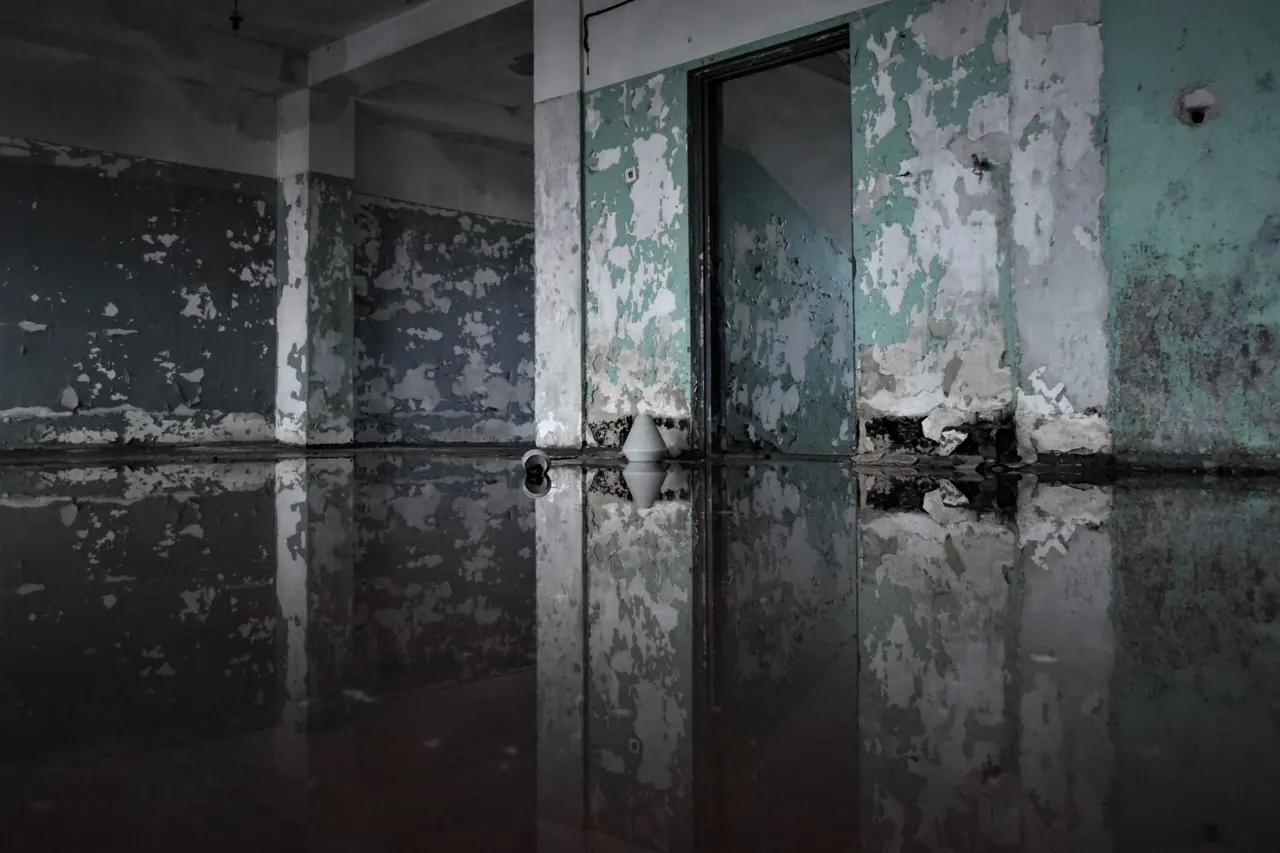
We dispatch immediately, shut off the supply, and extract standing water with a submersible pump and wet/dry vacuum. Then we pull wet carpet and set air movers and dehumidifiers across the affected rooms. Water is out within two to three hours, and the dry-out finishes in three to four days. Most homeowners avoid replacing the kitchen flooring.
We inspect with a thermal imaging camera and moisture meter to confirm a slab leak, then extract water and dry the flooring and baseboards. We document the loss and coordinate with your plumber on the repair. The leak is located without tearing up the whole floor, and the affected area dries in three to five days. You get a report for your insurer.
Storm water is category 3, so we extract, remove saturated carpet and pad, and apply antimicrobial solution to the subfloor. Then we dry with air movers and dehumidifiers and log daily readings. Contaminated materials are gone, the subfloor dries to standard, and you have documentation for a flood or wind claim.
We shut off the supply, extract water from the attic and the ceiling cavity, and remove saturated insulation. A boroscope inspection camera checks the wall cavities below before we set drying equipment. The ceiling cavity dries without a full tear-out in most cases, and mold prevention treatment stops growth before it starts.
Sugar Land sits in Fort Bend County on clay-heavy soil that holds water and shifts with the seasons. That combination drives most of the water damage we see. October and November bring the tail of hurricane season, with heavy rain bands that push water through roof leaks, window seals, and door thresholds. Winter freezes crack supply lines in attics and exterior walls, especially in older homes around Sugar Creek and Old Sugar Land. Summer humidity near 75 percent keeps crawl spaces damp and slows drying if equipment is undersized. Building stock matters too. Slab-on-grade homes in First Colony and Telfair hide slab leaks under tile and hardwood, while pier-and-beam homes in older neighborhoods collect water in crawl spaces. We adjust equipment placement and drying time to match. If you need residential water damage restoration Sugar Land TX for homes with any of these conditions, we have dried them before. We also follow TDLR requirements for mold-related work and document every job to the IICRC S500 standard so your insurer has what it needs.
Mostly slab-on-grade homes with tile and hardwood floors. Slab leaks and appliance failures are the most common calls we get here.
Newer two-story builds where upstairs supply line failures send water down through ceilings into the rooms below.
Older homes with mature trees and original plumbing. Winter freezes crack exterior supply lines more often here than in newer neighborhoods.
Slab-on-grade construction with tight lot drainage. Storm water backs up against doors during heavy rain bands and soaks carpet at the threshold.
Pier-and-beam homes where crawl space flooding and damp air are the primary water damage risks after extended rain.
Water drains slowly around foundations, so crawl spaces and low-lying areas stay wet longer. We run desiccant dehumidifiers longer in these homes to hit the dry standard.
Burst pipe calls spike in January and February. We keep crews on standby and prioritize active leaks so extraction starts before water reaches the slab.
Drying takes longer without proper dehumidification. We size equipment for the humidity, not just the square footage, and monitor daily to confirm progress.
Slab leaks and under-floor moisture are hard to see. We use thermal imaging and moisture meters on every inspection to catch water before it damages flooring.
A refrigerator supply line failed overnight and soaked the kitchen floor, cabinet base, and part of the hallway carpet. Water had been sitting about eight hours before the homeowner woke up and called us.
We extracted 40 gallons, pulled the wet carpet pad, and dried the cabinet base and subfloor in four days. Moisture readings matched the control area on day four, and no cabinets needed replacement.
Maintenance: Replace flexible supply lines every five years and check the line behind the fridge twice a year for dampness or corrosion at the fitting.
The water heater pan overflowed in the attic and water ran down through the ceiling into a bedroom. A ceiling stain appeared two days later, and the attic insulation was saturated across a 6-foot section.
We removed the wet insulation, dried the attic decking and ceiling cavity in five days, and treated framing with antimicrobial solution. The ceiling dried without a tear-out, and no mold growth was found at the final check.
Maintenance: Flush the water heater annually and check the pan and drain line each spring. A $15 pan float switch can prevent the next overflow.
A heavy rain band pushed water through the back door and soaked carpet in two rooms, about 300 square feet total. The water was category 3 because it came in from outside.
We extracted, removed the saturated carpet and pad, treated the subfloor with antimicrobial solution, and dried in three days. New carpet went down the following week, and the claim was documented for the insurer.
Maintenance: Check door sweeps and thresholds each fall before storm season. A $30 sweep replacement keeps water out of the house during the next heavy band.
Most calls we get in Sugar Land fall into a handful of categories. Each one gets worse by the hour, and each one has a specific fix. Here is what we see most and how we handle it.
Water trapped in a wall cavity soaks insulation and framing, and mold can colonize within 48 hours. You often will not see it until a ceiling stain or musty smell shows up weeks later. We trace the leak path with a thermal imaging camera and boroscope inspection camera, open the wall where needed, and dry the cavity with air movers. We treat framing with antimicrobial solution before closing anything up.
Subfloor panels swell and delaminate when water sits on them. Once the panels lose structural strength, tile and hardwood above them start to move and crack. We extract standing water, dry the subfloor with air movers and dehumidifiers, and check moisture daily with a pin-type meter. Panels above 16 percent moisture content after three days get replaced before we reinstall flooring.
A slow supply line leak under a sink can feed mold for weeks before you notice. By the time you smell it, the colony is often larger than the visible stain suggests. We find the source, dry the affected materials, and apply antimicrobial solution to framing and drywall. For larger colonies we bring in air scrubber filters with HEPA filters to capture spores during the dry-out.
A roof leak soaks attic insulation and ceiling drywall. Wet insulation loses R-value, and the drywall can sag or fall if the leak continues through a rain cycle. We extract water, remove saturated insulation, and dry the ceiling cavity and attic decking. We document the entry point for your roofer and your insurer, then dry to standard before any patch work.
Sugar Land sits on clay-heavy soil that sheds water slowly. Crawl spaces flood after heavy rain, and the damp air rots joists and feeds mold in Fort Bend County humidity. We pump out standing water, dry with desiccant dehumidifiers, and treat framing with antimicrobial solution. We also check the vapor barrier and insulation while we are under the house.
$1,200 - $6,500 depending on scope
Typical 2026 pricing for residential water damage restoration in Sugar Land runs $1,200 to $6,500, with most single-room jobs landing between $1,200 and $2,800. Whole-floor losses with category 3 water push toward the top of that range. We provide a written scope and price before work begins, and we bill most carriers directly so you are not fronting the full amount. If you need residential water damage repair Sugar Land TX homeowners can budget for, we will walk you through the numbers line by line.
Drying a home correctly the first time costs far less than replacing subfloor panels, hardwood, or remediating mold later. Our documentation also gives your adjuster what they need to process the claim faster, which keeps your out-of-pocket predictable.
Drying equipment is sized to the affected area, so a 200-square-foot bathroom costs far less than a 1,200-square-foot open floor plan. Most single-room jobs land between $1,200 and $2,800.
Category 1 water from a clean supply line is the cheapest to handle. Category 3 water from flooding or toilet overflow requires antimicrobial treatment and disposal of contaminated materials, which adds cost.
Carpet and pad usually come out, which adds removal and disposal. Hardwood and tile can often be dried in place, which keeps costs down but takes longer and requires controlled drying.
Water that has traveled behind walls or under flooring takes longer to dry and may require opening surfaces. A thermal imaging camera and boroscope inspection camera tell us the real scope before we price it.
If mold growth is already present, we add containment with polyethylene sheeting and air scrubber filters with HEPA filters. That is a separate scope from drying and is priced accordingly.
Emergency calls at 2 a.m. or on a holiday carry a dispatch premium. We tell you the rate before we roll, so there is no surprise on the invoice.

Our technicians carry IICRC WRT and IICRC ASD certifications, and we work under Texas Department of Licensing and Regulation (TDLR) requirements for mold-related work. We have dried homes after slab leaks, burst pipes, toilet overflows, and storm water intrusion across Fort Bend County. Every crew member completes OSHA 10 training and follows EPA Lead-Safe practices when working in pre-1978 homes. We use Dri-Eaz and Phoenix Restoration Equipment because it holds up to daily commercial use, and we calibrate moisture meters monthly so readings stay accurate. When your adjuster asks for documentation, we have it.
A supply line under our kitchen sink let go on a Saturday night. Sugar Land Water Damage Pros had a crew at the house in under an hour. They pulled the wet cabinet base, set air movers, and dried everything in four days. The Xactimate estimate matched what our insurer paid almost to the dollar.
Our water heater leaked in the attic and we did not notice until a ceiling stain showed up. They found the source with a thermal camera, dried the attic decking and the ceiling cavity, and treated for mold prevention. No mold, no ceiling replacement. Straight answers the whole way.
After a storm pushed water through our back door, they extracted the standing water and dried the hardwood instead of ripping it out. Daily moisture readings, photos for the claim, and a final report. The floors look the same as before. I have already recommended them to two neighbors.
Most residential water damage restoration jobs in Sugar Land run $1,200 to $6,500 in 2026, depending on the area affected and water category. A single-room extraction and dry-out typically lands between $1,200 and $2,800. Whole-floor losses with category 3 water push higher. We provide a written scope and price before work begins, and we bill most insurance carriers directly.
Yes. We handle home water damage repair in Sugar Land from extraction through final dry-out and post-dry patching. That includes pulling wet carpet, drying subfloor panels, treating framing with antimicrobial solution, and replacing baseboard where needed. One crew handles the whole job, so you are not coordinating between a drying company and a repair contractor.
A standard job includes emergency water extraction, moisture mapping with a thermal imaging camera, structural drying with air movers and dehumidifiers, antimicrobial application, daily moisture monitoring, and a final dry-out report for your insurer. If you need residential water damage cleanup in Sugar Land, Texas, we also remove and dispose of saturated carpet and pad. Repairs after drying are scoped separately.
In most cases, yes. We restore homes after burst pipes, slab leaks, appliance failures, toilet overflows, and storm water intrusion across Fort Bend County. Hardwood floors, drywall, and subfloor panels often dry in place if we get equipment running within 24 to 48 hours. Materials that cannot be saved, like saturated carpet pad, get replaced as part of the scope.
Not seeing your question? Our local team can help you understand urgency, scheduling and what to expect.
Ask the local team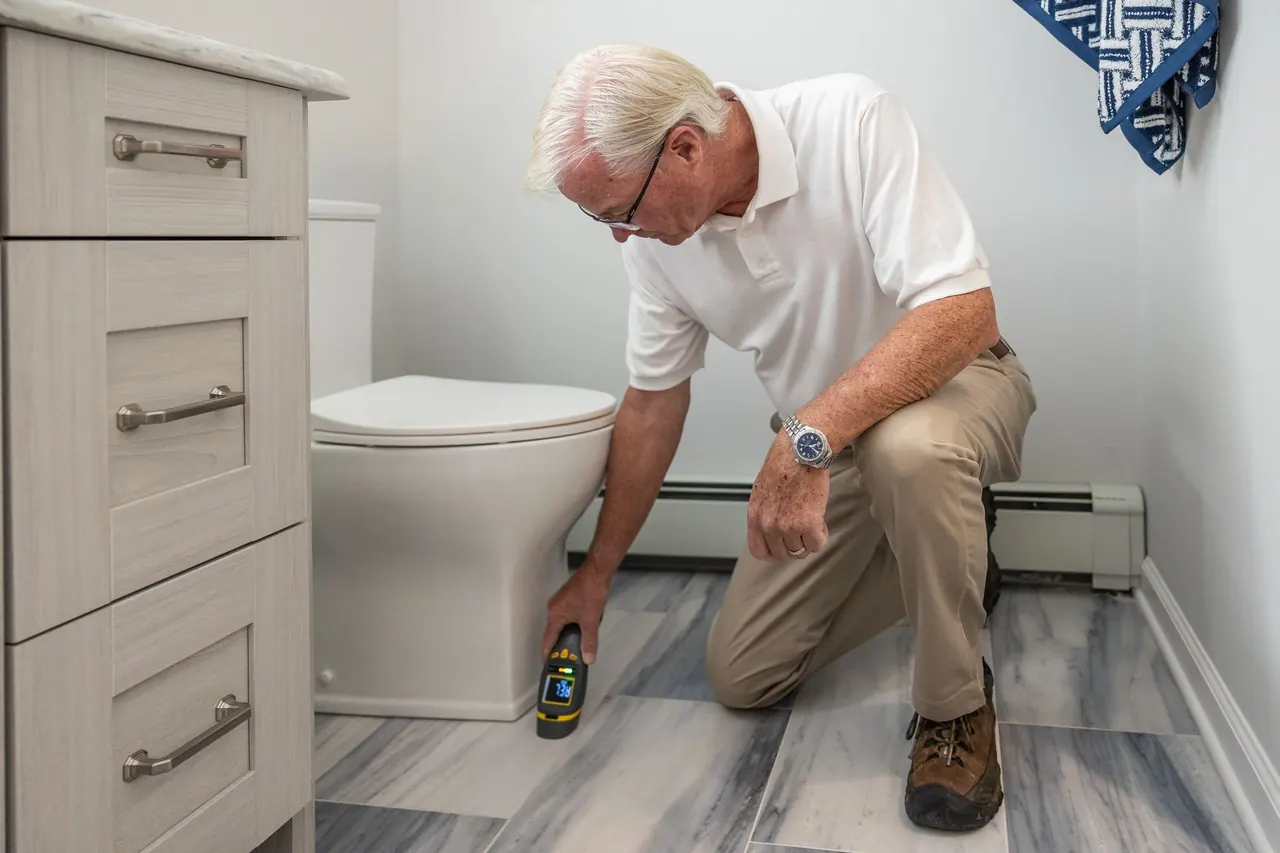
When water is actively spreading, emergency water damage restoration is the first call. We dispatch 24/7 across Sugar Land, shut down the source, and start extraction before secondary damage sets in. This is the front end of most residential water damage restoration jobs.
View service
We apply the same drying standards to offices, retail, and light industrial spaces in Sugar Land. Commercial losses often involve larger square footage and after-hours scheduling. If your business floods, we can run extraction overnight so you can open in the morning.
View service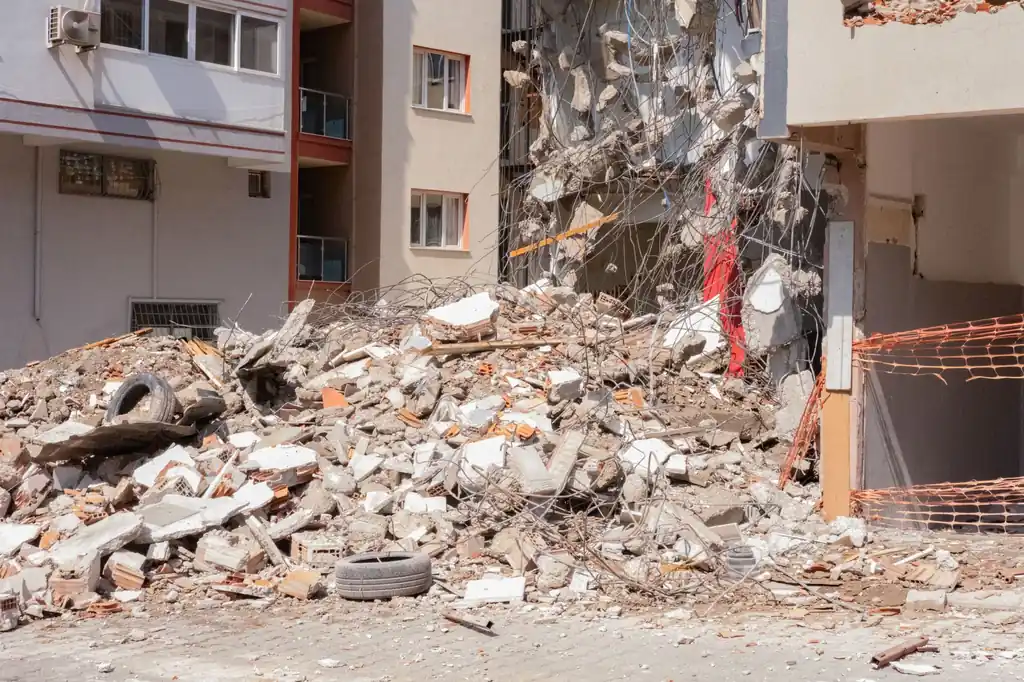
Standing water comes out fast with a submersible pump and water extraction unit. Emergency water extraction is the step that stops water from wicking further into drywall and subfloor panels. On a typical Sugar Land home, we clear a flooded room in two to four hours.
View service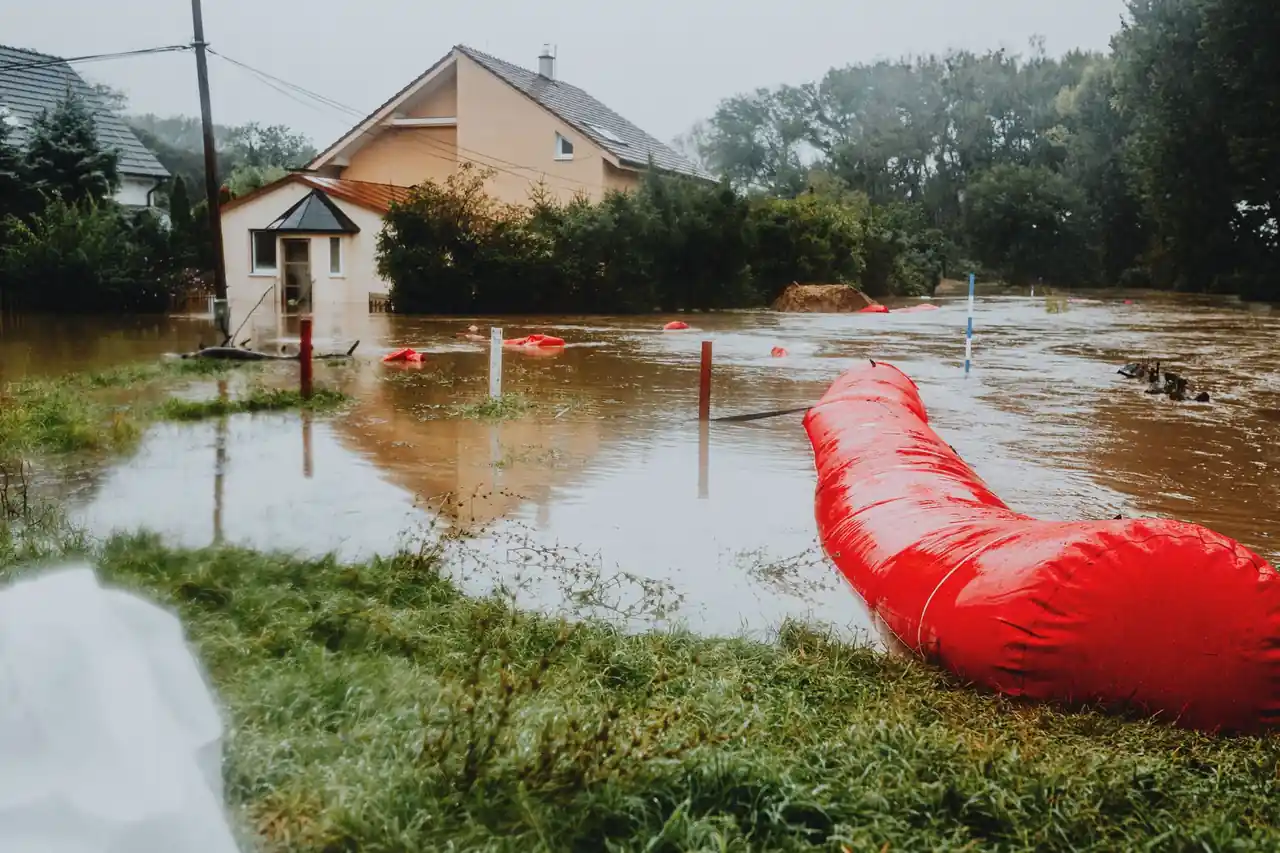
Flood water is category 3 and requires antimicrobial treatment after removal. We pump out flooded areas, dispose of contaminated materials, and treat framing before drying. Sugar Land storm events in late summer and fall are the most common trigger for this service.
View service
We answer the phone 24 hours a day, every day of the year. Tell us what's wet and we'll tell you what to do while we're on the way. Most Sugar Land addresses see a truck within 60 to 90 minutes, and we serve all of Fort Bend County, including ZIP codes 77498, 77478, 77479, 77487, and 77496.