Focused arrival windows
Useful updates and clear arrival timing.
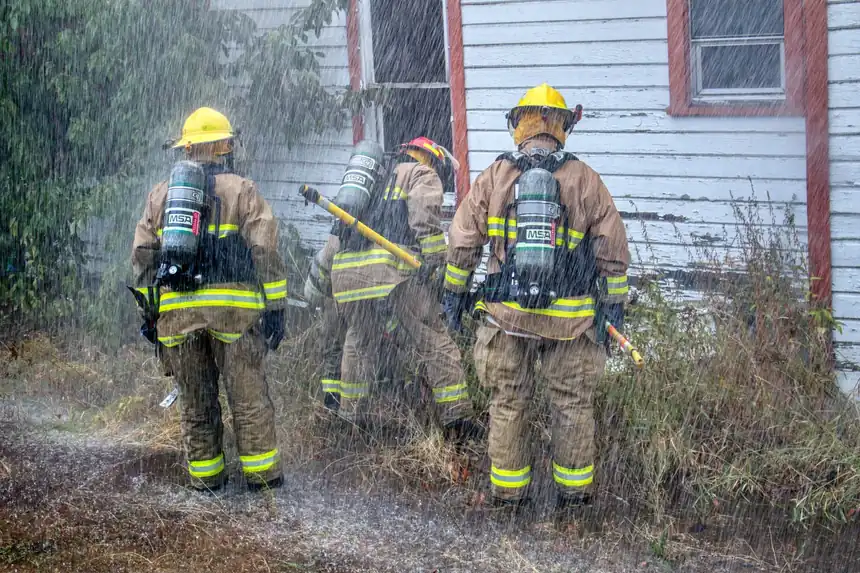
Carpet Water Extraction Sugar Land TX is the service you call when a washing machine hose lets go, a supply line bursts behind the fridge, or storm water pushes under a door. We pull standing water out of pad and pile, set drying equipment the same day, and document everything for your insurance claim. Serving Fort Bend County homes and businesses around the clock.
Useful updates and clear arrival timing.
Review the approach and price before deciding.
Equipped vehicles and respectful cleanup.
Neighbors serving neighbors with follow-through.
Every carpet water extraction job includes the core steps below. Add-ons like pad replacement, subfloor drying, or reconstruction are quoted separately once we see the scope. You get the full picture before we start.
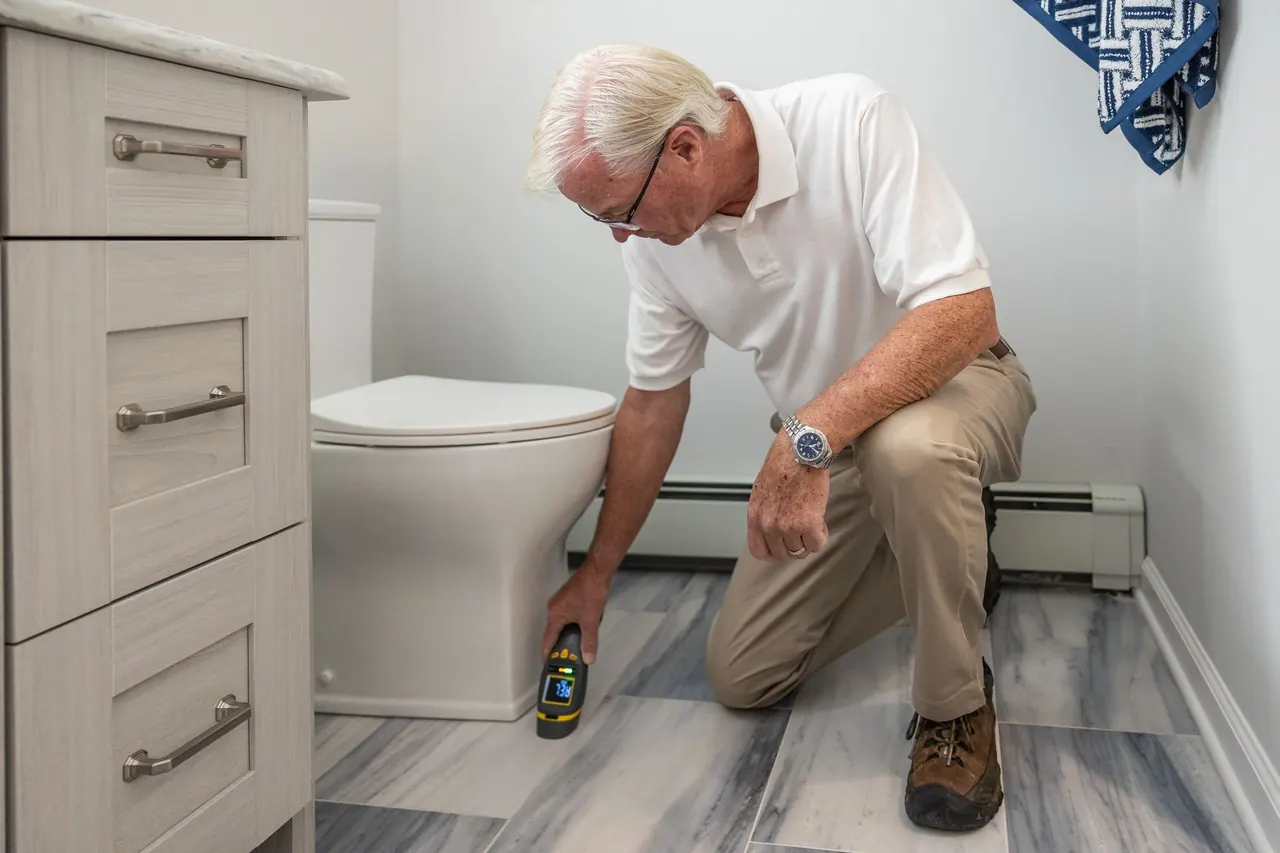
We walk the affected area with a moisture meter and thermal imaging camera to find every wet spot, including hidden water damage behind walls and under baseboard. You see the readings and the map before extraction begins.
A water extraction unit pulls standing and absorbed water from carpet and pad in overlapping passes. Edges, closets, and tight corners get a wet/dry vacuum. Most rooms are extracted in 45 to 90 minutes.
After extraction we apply antimicrobial solution to the carpet backing and pad. This is the step that stops mold growth in Sugar Land humidity and keeps the carpet salvageable on most jobs.
Air movers and a dehumidifier go in based on the size of the wet area. We route cords and hoses so you can still use the house. Equipment stays 3 to 5 days on a typical job.
We come back every 24 hours and log moisture meter and hygrometer readings. If an area is still elevated, equipment stays another day at no extra charge. We do not guess at dry.
Photos, extraction volumes, and an Xactimate scope go to your adjuster. Most carriers cover sudden appliance leaks and burst pipe water damage cleanup. The paperwork makes the claim move.
Share what is happening and receive a clear next step from the local team.
Carpet Water Extraction Sugar Land TX is the mechanical removal of standing and absorbed water from carpet, pad, and the subfloor beneath it. We start with a moisture meter and thermal imaging camera to map how far the water traveled, then run a truck-mounted water extraction unit or a submersible pump over the carpet in overlapping passes. A wet/dry vacuum handles edges and closets. The goal is simple: get the bulk of the water out in the first two hours so the drying phase can actually work.
Sugar Land sits on heavy clay soil that holds water after every big storm, and slab-on-grade homes in First Colony and Telfair push that moisture straight into the carpet. A washing machine leak at 2 a.m. or a water heater failure before a holiday weekend can soak 300 to 800 square feet of carpet before you wake up. If you are searching for emergency carpet water extraction near me Sugar Land, we answer the phone and roll a truck.
You call (281) 326-6146 and describe what happened. We ask where the water came from, how long it has been sitting, and whether the carpet is over slab or wood. That tells us which truck and how much equipment to load. Most Sugar Land addresses get a same-day carpet water extraction Sugar Land TX crew.
On arrival we walk the affected area with a moisture meter and thermal imaging camera. We check baseboard, drywall, and the subfloor edge for hidden water damage behind walls. You get a straight answer on what is wet, what is not, and what it will take to dry it.
We run a water extraction unit across the carpet in slow overlapping passes, then hit the pad and edges with a wet/dry vacuum. Standing water gets pulled with a submersible pump first. A typical 400-square-foot room takes 45 to 90 minutes to extract properly.
We apply antimicrobial solution to the backing and pad, then position air movers and a dehumidifier. Air scrubber filters with HEPA filters run if there is any odor or category 2 water. Equipment stays 3 to 5 days on most jobs, and we check readings every 24 hours.
We do not pull equipment until a moisture meter and hygrometer confirm the carpet, pad, and subfloor are back to dry standard. You get a final report with readings and photos. If any area is still elevated, the equipment stays another day at no extra charge.
Finds hidden water damage behind walls, under baseboard, and in subfloor panels before we extract. It shows the wet area as a temperature difference you can see.
Reads moisture content in carpet, pad, and subfloor, and relative humidity in the air. We log readings daily and do not pull equipment until they hit dry standard.
Pulls standing and absorbed water from carpet in overlapping passes. Far stronger suction than a shop vac, which is why extraction takes minutes instead of hours.
Clears pooled standing water before extraction starts. Essential when a burst pipe or storm has left an inch or more of water on the carpet.
The drying pair. Air movers evaporate moisture from carpet and pad; a dehumidifier pulls that moisture out of the air so the carpet can keep releasing water.
Slides behind baseboard and under subfloor panels to confirm whether water reached the cavity. We use it before we tell you the subfloor is dry.
Handles edges, closets, stairs, and tight corners the truck-mount cannot reach. Small tool, but it is the difference between dry edges and a musty smell in two weeks.
The industry standard for water damage restoration. It sets how we classify water, how much drying equipment goes in, and when a material is considered dry. We follow it on every Sugar Land job.
Water is category 1 (clean), 2 (contaminated), or 3 (grossly contaminated). The category decides whether pad gets treated or removed, and whether air scrubber filters with HEPA filters are required.
We calculate how much air movement and dehumidification the space needs based on temperature and humidity, not guesswork. That is why our drying jobs finish in 3 to 5 days instead of dragging on.
Insurance carriers use Xactimate to price water damage claims. We write our scopes in the same format so your adjuster can approve the work without back-and-forth.
We shut off the supply, extract the carpet and pad with a water extraction unit, apply antimicrobial solution, and set air movers and a dehumidifier. The laundry room and hallway dry in 3 to 4 days. Carpet is saved, subfloor stays dry, and the insurance claim is documented with photos and extraction volumes.
We pump standing water, extract the carpet, check the subfloor with a moisture meter, and run drying equipment through the weekend. Daily readings confirm progress. No mold growth, no carpet replacement, and the carrier covers the water heater and the water damage in one claim.
We extract the carpet, remove contaminated pad, apply antimicrobial solution, and dry the subfloor with air movers and a dehumidifier. Air scrubber filters run for odor. The room is dry in 4 to 5 days, the carpet is reused, and the pad is replaced for a fraction of a full floor job.
We pull the fridge, extract the carpet, dry the wall and subfloor with targeted airflow, and check for hidden water damage behind the cabinets with a boroscope inspection camera. The carpet dries without replacement and the slow leak is caught before it becomes a mold problem.
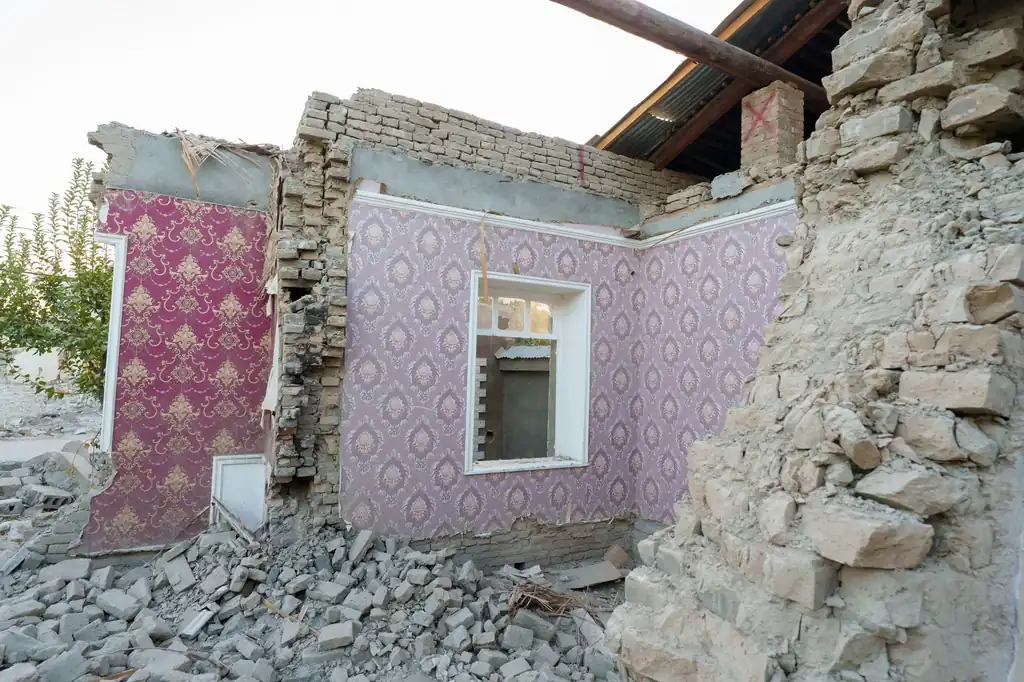
Sugar Land is slab-on-grade country, and that changes how carpet dries. Water that soaks through pad hits concrete or subfloor panels and has nowhere to go, so extraction has to be thorough before drying equipment goes in. Our humidity runs high from April through October, which slows evaporation and makes a dehumidifier non-negotiable. Most of the housing stock in First Colony, Telfair, and Riverstone was built between the 1980s and 2010s, and we see the same failure points: washing machine supply hoses, water heater tanks, refrigerator ice maker lines, and AC condensate drains. Storm season brings a different problem, with water pushing under doors and through roof leaks after heavy rain. If you need wet carpet water removal in Sugar Land homes after any of these, we handle the extraction and the drying in one job. Fort Bend County code and TDLR mold rules guide how we treat category 2 water and when pad has to come out.
Large 1980s and 1990s slab-on-grade homes with original supply lines. Washing machine and water heater failures are the most common carpet water calls here.
Newer construction with PEX plumbing and tighter builds. When a fitting fails, water spreads fast under carpet because the subfloor does not absorb it.
Two-story homes where an upstairs leak travels down through the ceiling into carpet below. We dry both levels in one visit.
Storm water intrusion under back doors is common after heavy rain. Carpet near exterior walls takes the first hit and needs fast extraction.
Mature landscaping and older irrigation lines mean slab leaks show up as wet carpet with no visible source. Thermal imaging finds the path.
Carpet releases moisture slowly when the air is already saturated. A dehumidifier and daily hygrometer readings are required to hit dry standard in 3 to 5 days.
Water cannot drain down, so it spreads sideways under pad. Extraction has to cover the full wet footprint, not just the visible stain.
After big rain, water pushes against foundations and finds the lowest entry point. Carpet near doors and garage walls is the first to soak.
Rubber washing machine hoses and older water heater tanks fail without warning. These are the most common sources of carpet water we see in Fort Bend County.
A supply hose failed overnight and dumped water across the laundry room and hallway. Roughly 400 square feet of carpet was soaked, with standing water in the low spot near the door. The homeowner found it at 6 a.m.
We extracted 18 gallons, applied antimicrobial solution, and ran four air movers and a dehumidifier for four days. Moisture meter readings dropped from 38 percent to 9 percent. The carpet and pad were saved.
Maintenance: Replace rubber washing machine hoses with braided stainless steel every five years, and check the shutoff valves twice a year. A $20 hose is cheaper than a carpet replacement.
A 12-year-old water heater tank failed the Friday before a holiday weekend. Carpet in the hall and two bedrooms was wet, about 550 square feet. The homeowner shut off the supply but the water had been sitting for hours.
We pumped standing water, extracted the carpet, and dried the subfloor with targeted airflow. Daily readings confirmed dry standard in five days. No mold growth, no carpet replacement, and the carrier covered the loss.
Maintenance: Flush the water heater once a year and replace the anode rod every three to five years. Most tank failures start with a corroded anode, not a sudden crack.
A Gulf storm pushed water under the back door and soaked the living room carpet, about 300 square feet. The pad was contaminated and the homeowner was worried about mold growth in the humid days that followed.
We extracted the carpet, removed the contaminated pad, applied antimicrobial solution, and ran air scrubber filters with HEPA filters. The carpet dried in four days and the pad was replaced for a fraction of a full floor job.
Maintenance: Check door sweeps and thresholds before storm season, and keep a towel line at exterior doors during heavy rain. Catching the first inch keeps the pad salvageable.
Carpet hides water better than any other surface in your home. These are the problems we see most often in Sugar Land and how we handle each one.
Drywall and baseboard absorb water within hours, and the wet line climbs higher than you expect. Left alone, it becomes hidden water damage behind walls and a mold problem. We use thermal imaging to find the wet line, extract the carpet, and dry the wall cavity with air movers and a dehumidifier. Catching it in the first 24 hours usually saves the drywall.
Carpet feels dry on top while the pad underneath stays wet for weeks. That is where mold growth starts and where the musty smell comes from. We lift the carpet where needed, extract the pad directly, and dry both layers with air movers. A moisture meter reading confirms the pad is dry before we pull equipment.
Water passes through pad into subfloor panels and stays trapped. Over time you get cupping, squeaks, and a floor replacement that costs far more than extraction. We check with a boroscope inspection camera, dry the cavity with targeted airflow, and log daily readings. Most Sugar Land subfloors dry in 4 to 6 days without replacement.
Washing machine, dishwasher, and toilet overflow water carries contamination. Extracting it without treatment leaves bacteria in the pad and a health risk for your family. We extract, remove unsalvageable pad, apply antimicrobial solution, and run air scrubber filters with HEPA filters. The carpet is safe to keep when treatment happens the same day.
$350 - $1,200 for most residential carpet water extraction jobs in Sugar Land
Typical 2026 pricing for carpet water extraction in Sugar Land runs $350 to $1,200 for a residential job, depending on square footage, water category, and how much drying equipment is needed. A single clean-water room sits at the low end. Category 2 water, antimicrobial treatment, or subfloor drying pushes it higher. We give you the number before we start, and we bill insurance directly when your carrier covers the loss. There is no charge for the inspection or the estimate.
Extraction costs a fraction of replacing carpet, pad, and subfloor. Catching it in the first 24 hours is the single biggest factor in keeping the price down and the carpet salvageable.
A single room runs less than a whole floor. We measure the wet area with a moisture meter, so you pay for the carpet that is actually wet, not the whole house.
Category 1 clean water is the simplest job. Category 2 water from appliances or toilet overflow requires antimicrobial solution and sometimes pad removal, which adds cost but prevents mold growth.
Pad that can be dried in place costs less. Pad that is contaminated or has been wet longer than 72 hours has to come out and be replaced, which adds material and labor.
When water reaches the subfloor, drying takes longer and needs more equipment. A boroscope inspection camera confirms whether the cavity is wet before we quote the drying phase.
Most jobs dry in 3 to 5 days. High humidity, an off AC, or a larger wet area can stretch it to 6 or 7 days. We monitor daily and do not pad the timeline.
Most carriers cover sudden appliance leaks, burst pipes, and storm water intrusion. We document with photos and an Xactimate scope so your claim moves without delays.
Washing machine hose let go at 11 p.m. and soaked the laundry room and hallway carpet. They answered on the first ring, got here in about an hour, and had the water out before 1 a.m. Air movers ran four days. Carpet looks fine and the insurance paperwork was done right.
Our water heater failed the Friday before a holiday weekend. They extracted the carpet in the hall and two bedrooms, set dehumidifiers, and checked readings every day. No mold, no replacement carpet, and they worked with our adjuster directly. Straight answers the whole way.
A supply line broke in one of our retail units and soaked the carpet overnight. They extracted, dried, and had us back open in three days. Documentation was clean enough that our commercial carrier approved the claim without a second visit.
Most residential carpet water extraction jobs in Sugar Land run $350 to $1,200 in 2026, depending on square footage and how many rooms are affected. A single room with clean water sits at the low end. Category 2 water, antimicrobial treatment, or a subfloor that needs drying pushes it higher. We give you the number before we start, and we bill insurance directly when your carrier covers the loss.
Usually yes, if we get to it within 24 to 48 hours. Carpet backing and pad can be dried and reused when extraction starts early and antimicrobial solution goes down before mold takes hold. Carpet that has been wet longer than 72 hours, or that sat in sewage-contaminated water, usually needs replacement. We tell you honestly which one you are looking at during the inspection.
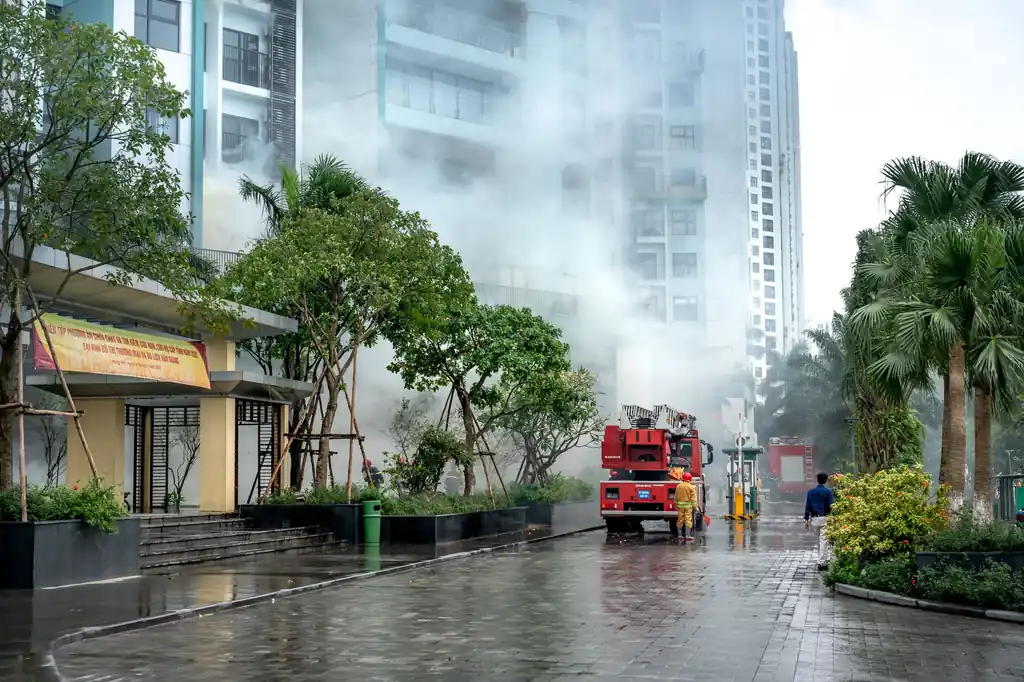
Yes. We run 24/7 emergency carpet water extraction near me Sugar Land calls, including nights, weekends, and holidays. A washing machine leak or burst supply line at 3 a.m. gets the same response as a weekday call. Most Sugar Land addresses see a crew within 60 to 90 minutes, and extraction starts as soon as we are on site.
Most carpet dries in 3 to 5 days with proper air movers and a dehumidifier running. Sugar Land humidity can stretch that to 5 or 6 days if the AC is off or windows are open. We check moisture meter and hygrometer readings every 24 hours and do not pull equipment until the carpet, pad, and subfloor hit dry standard.
Not seeing your question? Our local team can help you understand urgency, scheduling and what to expect.
Ask the local team
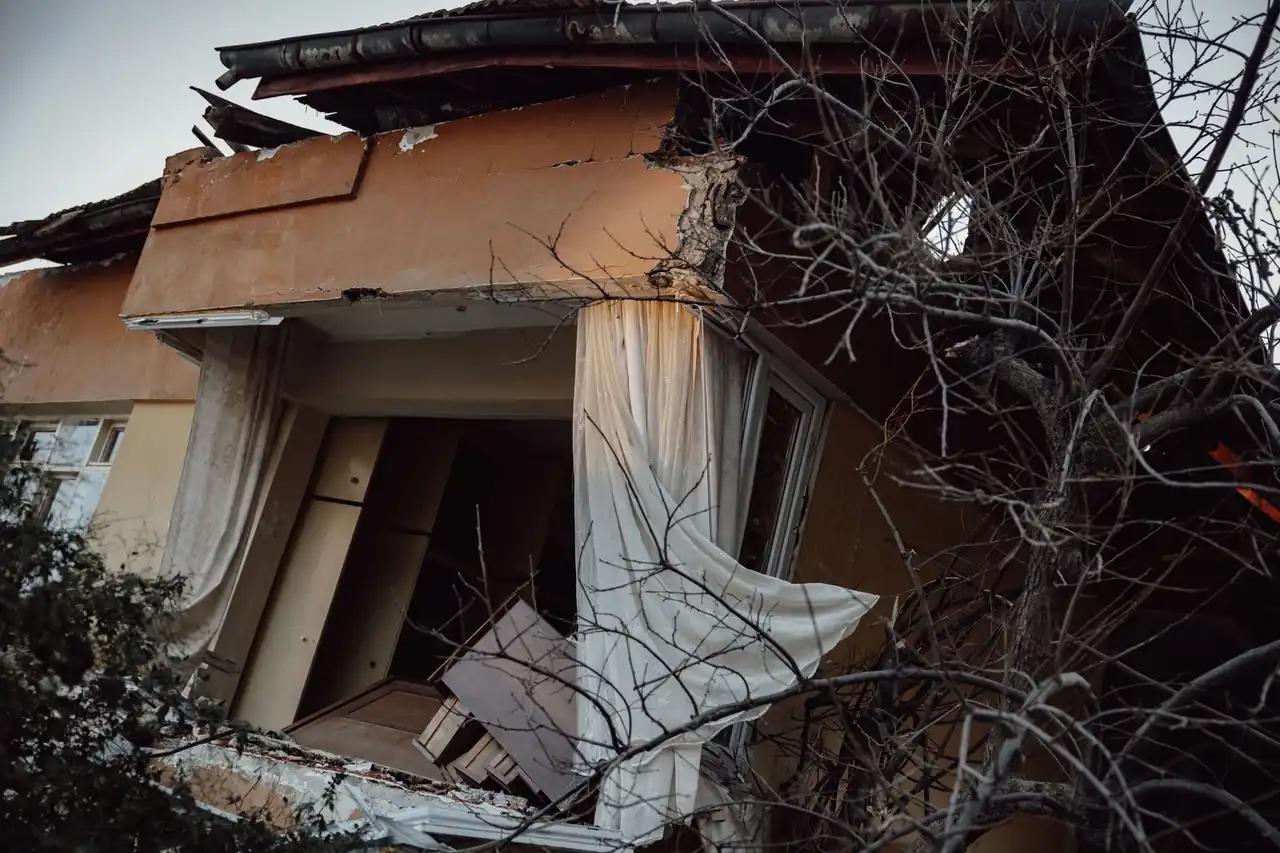
When a pipe bursts or a storm pushes water inside, this is the full-scope response. We stop the source, extract, dry, and rebuild. Carpet extraction is usually step one of a larger Sugar Land restoration job.
View service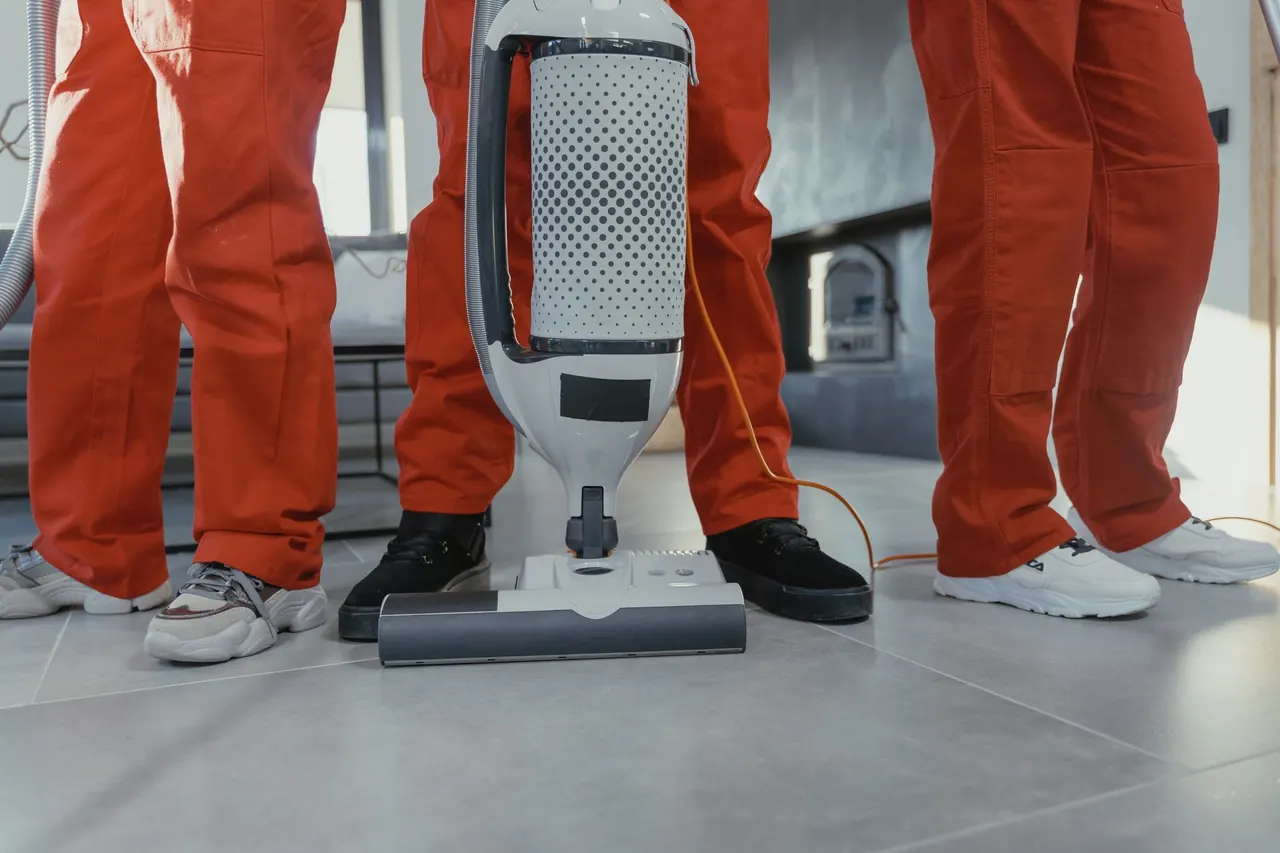
Built for Sugar Land homes, from First Colony two-stories to Old Sugar Land bungalows. We handle carpet, pad, drywall, and baseboard in one coordinated job so nothing gets missed between trades.
View service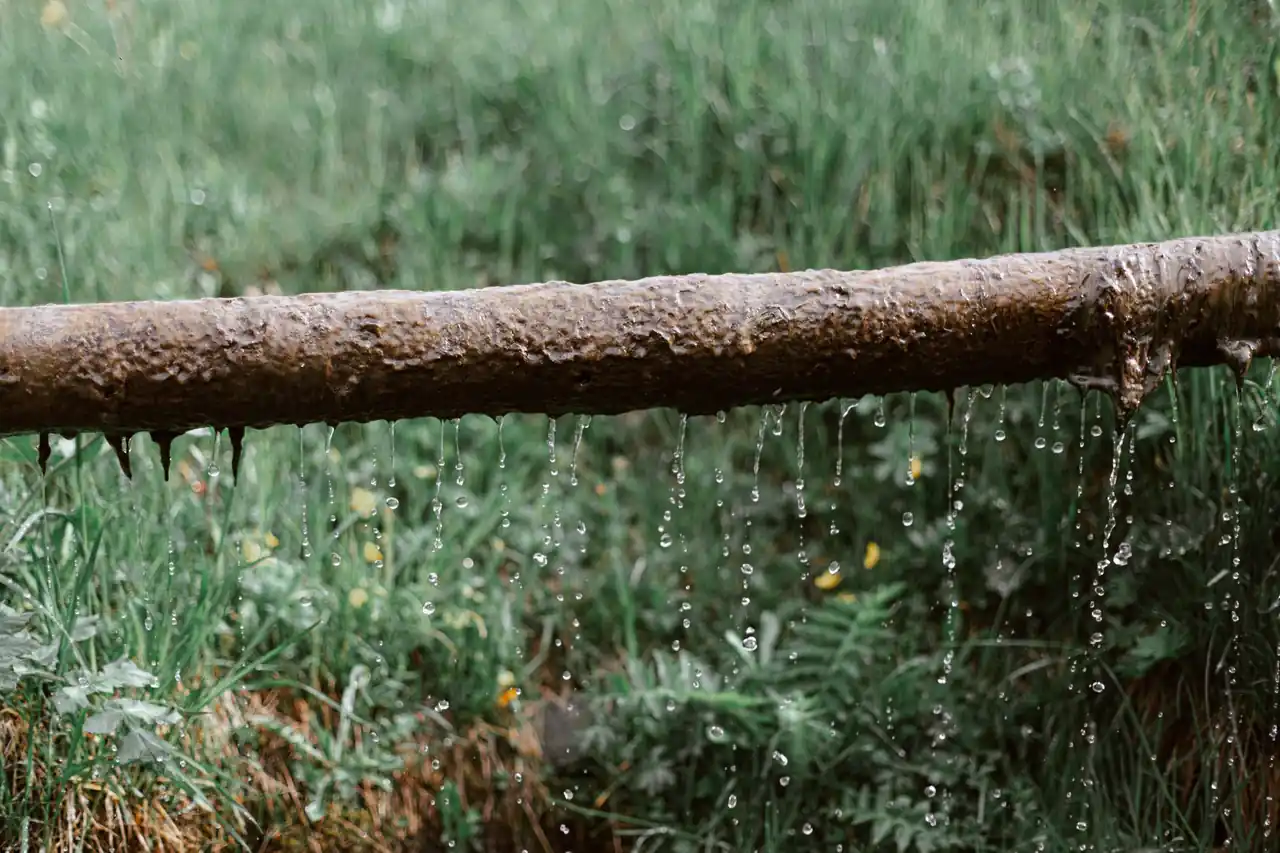
Offices, retail, and restaurants near Sugar Land Town Square need carpet extracted fast to reopen. We work after hours, protect fixtures and inventory, and document everything for your commercial carrier.
View service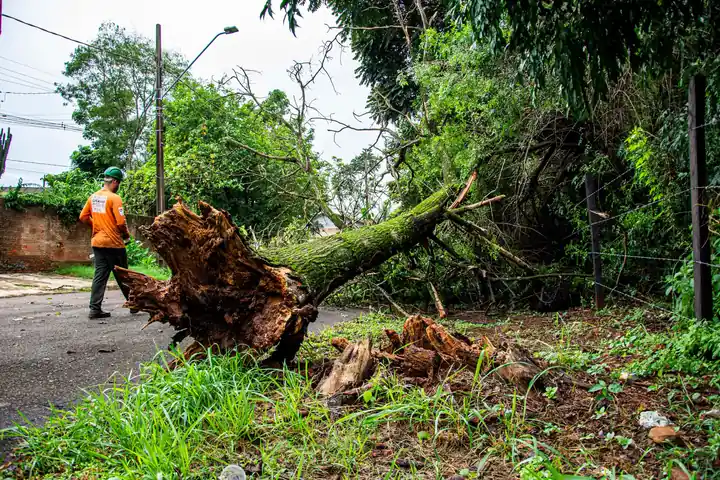
The broader service behind carpet extraction. We pull standing water from any surface, including tile, hardwood, and concrete, then dry the structure. Carpet jobs are the most common call we get in Sugar Land.
View service
We answer the phone 24 hours a day, every day of the year. Tell us what's wet and we'll tell you what to do while we're on the way. Most Sugar Land addresses see a truck within 60 to 90 minutes, and we serve all of Fort Bend County, including ZIP codes 77498, 77478, 77479, 77487, and 77496.