Focused arrival windows
Useful updates and clear arrival timing.
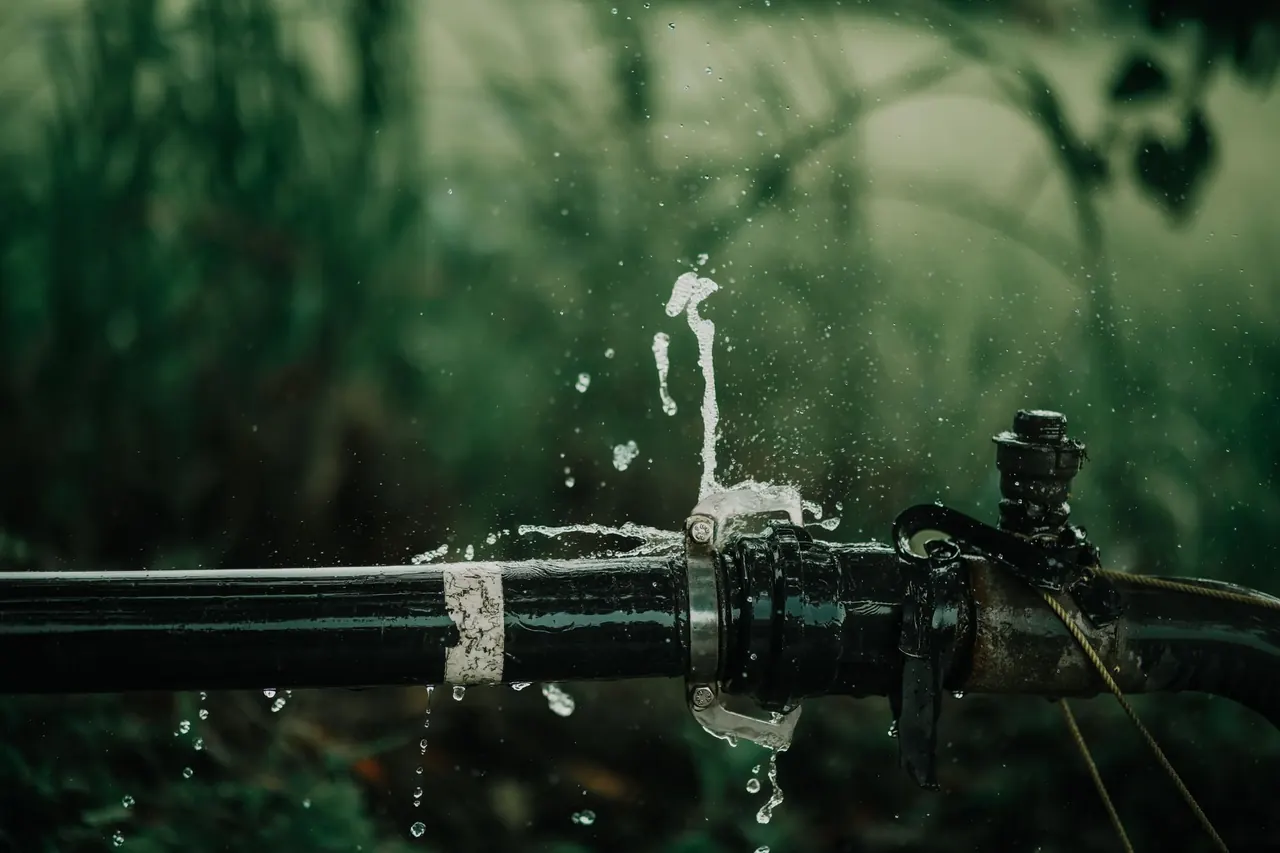
Crawl Space Water Removal Sugar Land TX clears standing water, saturated insulation and soaked subfloor panels before mold takes hold. Our IICRC-trained crews handle crawl space water extraction in Sugar Land for homeowners in First Colony, Riverstone and Telfair, plus commercial properties across Fort Bend County. If you've spotted a puddle under the vapor barrier or smell that damp-earth odor, call (281) 326-6146. We pump it out, dry it down and document every reading so your Texas home stays dry.
Useful updates and clear arrival timing.
Review the approach and price before deciding.
Equipped vehicles and respectful cleanup.
Neighbors serving neighbors with follow-through.
Every crawl space water removal job includes the core steps below. If we find mold, damaged insulation or a plumbing failure, we'll tell you before we add anything to the scope, and you approve it first.
We crawl the entire space with a moisture meter, thermal imaging camera and boroscope inspection camera to find every wet zone. Readings are logged so you and your adjuster can see exactly where the water traveled.
Standing water comes out with a submersible pump, then we finish with a water extraction unit and wet/dry vacuum. A typical crawl space pump-out takes two to four hours depending on depth and square footage.
We position air movers and a dehumidifier to dry joists, subfloor panels and insulation. Drying usually runs three to five days, and we check moisture content with a hygrometer every few hours.
After extraction we apply antimicrobial solution to framing and subfloor panels to stop mold growth. HEPA filters and air scrubber filters run during treatment to capture airborne spores.
If the polyethylene sheeting is torn or waterlogged, we remove it and lay new sheeting over the soil. A clean barrier keeps ground moisture from rising back into the space.
You get a written report with photos, moisture readings and a dry-standard confirmation. It's the document your insurance carrier wants and the proof that the job is actually finished.
Share what is happening and receive a clear next step from the local team.
Crawl Space Water Removal Sugar Land TX is the process of pumping, vacuuming and drying standing water from the shallow space beneath your home before it reaches the subfloor panels, floor joists and thermal insulation. It starts with moisture detection using a moisture meter and thermal imaging camera, then moves to extraction with a submersible pump and wet/dry vacuum, and finishes with structural drying using air movers and a dehumidifier. Left alone, crawl space water in Sugar Land feeds mold growth within 24 to 48 hours and rots the wood framing that holds up your floors.
Sugar Land sits on heavy clay soil that drains slowly after the storms we get each spring and fall. Add a slab leak, burst pipe or appliance leak and water pools under the house with nowhere to go. That's why crawl space flooding removal Sugar Land calls are so common in older neighborhoods like Sugar Creek and Old Sugar Land, where pier-and-beam foundations are the norm. A crawl space water pump out near me Sugar Land request usually means the homeowner already smelled the musty air upstairs.
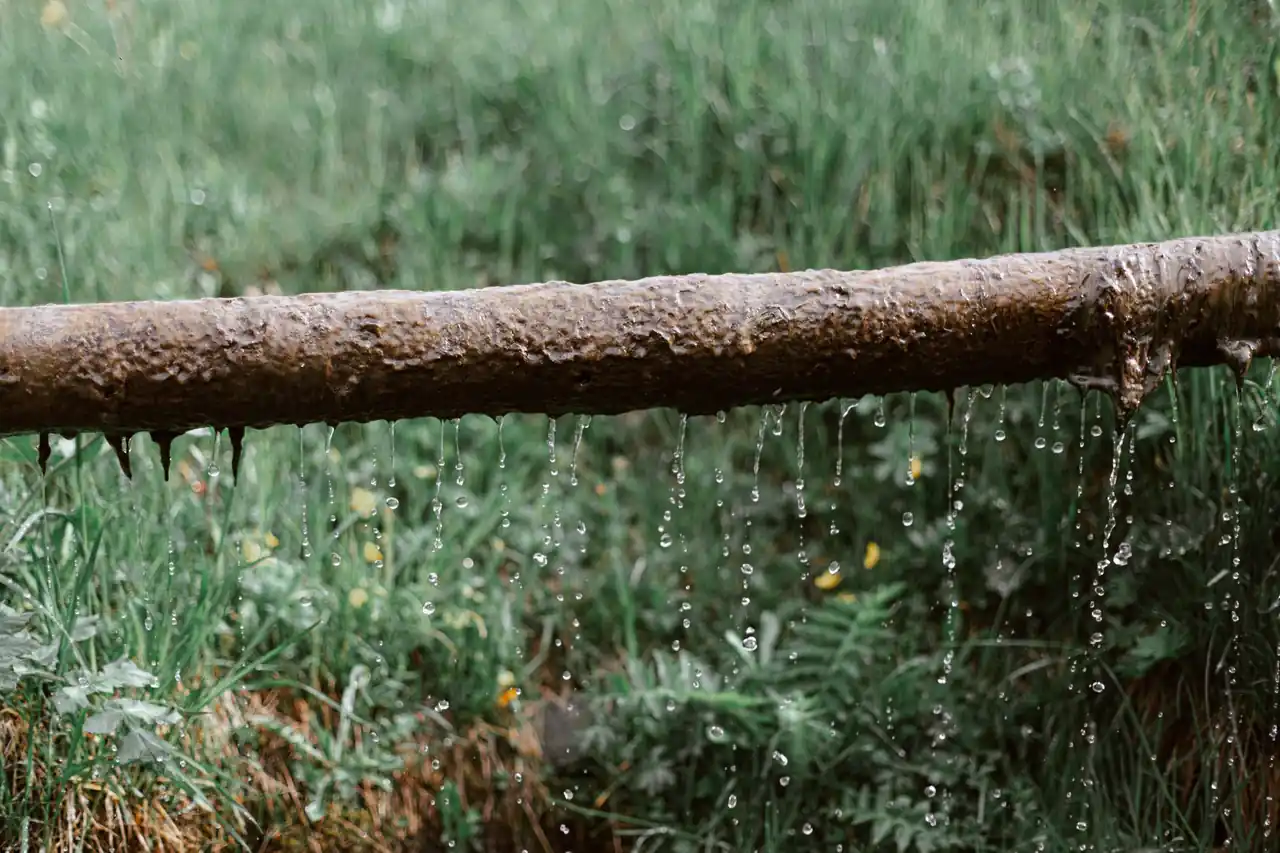
You call (281) 326-6146 and describe what you're seeing. We ask about the water source, how long it's been there and whether you've noticed a musty smell. A crew is dispatched the same day, often within a couple of hours, with a submersible pump and extraction unit already loaded.
We crawl the space with a boroscope inspection camera, moisture meter and thermal imaging camera to find every wet zone. Readings are logged on an Xactimate-compatible sketch so you and your insurance adjuster see exactly where the water traveled and how far it spread.
Standing water comes out first with a submersible pump, then we finish the shallow pockets with a wet/dry vacuum and water extraction unit. On a typical 1,200-square-foot crawl space, the pump-out takes two to four hours depending on how much water is down there.
We position air movers and a desiccant or refrigerant dehumidifier to dry joists, subfloor panels and insulation. A hygrometer and infrared thermometer track moisture content every few hours. Most crawl spaces reach dry standard in three to five days.
Once the wood is dry, we apply antimicrobial solution, replace any ruined thermal insulation and lay new polyethylene sheeting over the soil. You get a final moisture report and a walkthrough so you know the space is dry before we pack up.
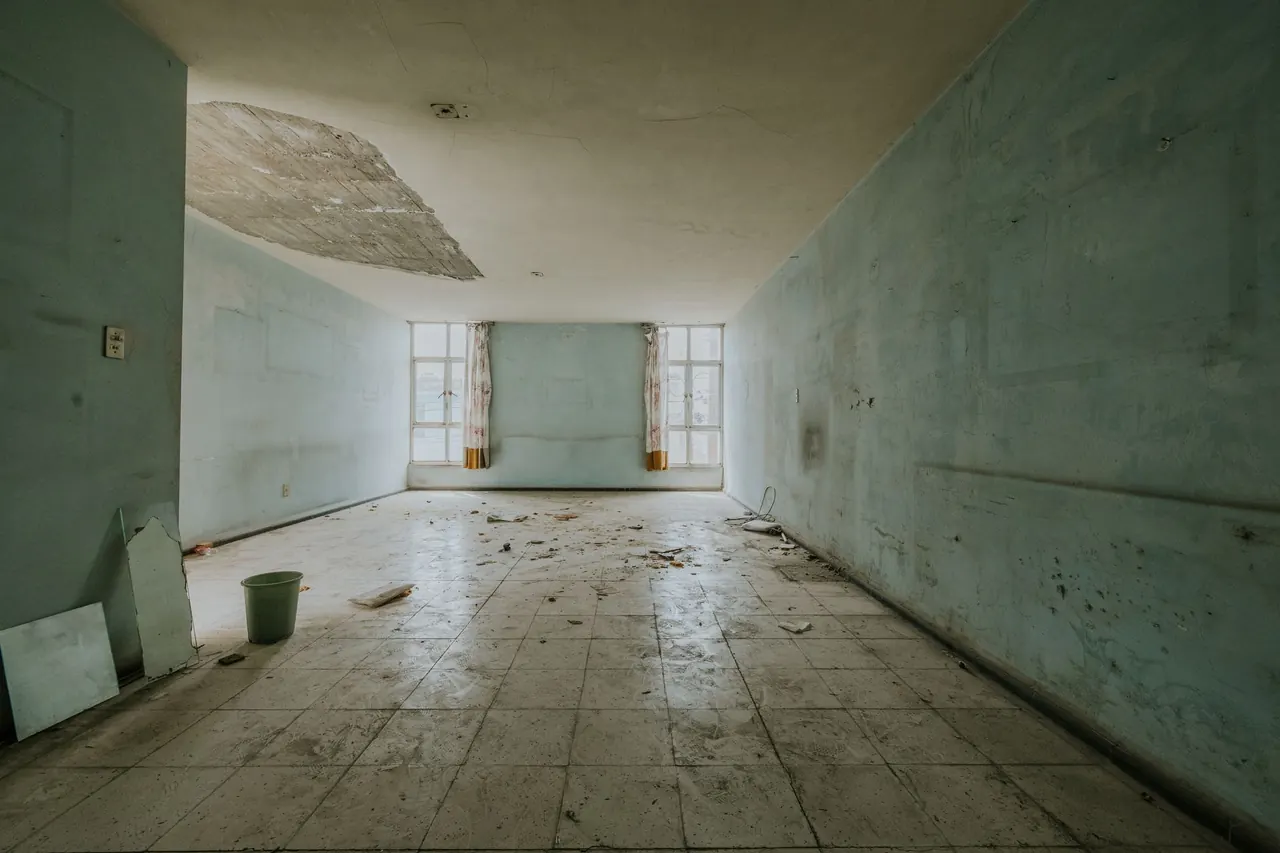
Pulls standing water out of the deepest part of the crawl space, moving hundreds of gallons an hour so we can start drying faster.
Finishes the job after the pump, pulling shallow water out of soil and off the vapor barrier where a pump can't reach.
Measures moisture content in wood and relative humidity in the air. We log readings at intake, during drying and at final to confirm dry standard.
Reveals temperature differences that point to hidden water behind framing and under insulation, so we don't miss a wet zone.
Lets us see into tight cavities and under subfloor panels without cutting anything open, which saves you repair costs.
Air movers keep air circulating across wet wood while a desiccant or refrigerant dehumidifier pulls moisture out of the air.
Capture airborne mold spores and dust during treatment, improving air quality in the crawl space and the living space above.
We follow the IICRC S500 standard for water damage restoration, which sets the drying goals, moisture content targets and documentation requirements for every job. It's the benchmark insurance carriers recognize.
Our scopes are built in Xactimate, the estimating platform most carriers use. Line items match what adjusters expect, which shortens the approval window and reduces back-and-forth on your claim.
After extraction we apply antimicrobial solution to framing and subfloor panels. It stops mold growth on wet wood and buys time while the space dries out.
We lay polyethylene sheeting over the soil to block ground moisture from rising into the crawl space. A properly sealed barrier is the single best defense against repeat moisture problems.
On pre-1978 homes we follow EPA Lead-Safe work practices to keep dust contained. Sugar Land has plenty of older pier-and-beam houses, so this matters more than people realize.
We shut off the supply if it's still running, pump out the standing water and set up drying equipment the same day. Our crew handles confined-space entry with OSHA 10 training and full PPE. Water is out within hours, framing dries in three to five days, and you have a moisture report for your insurance claim.
We extract the water, remove the ruined polyethylene sheeting and dry the soil surface with air movers. Once the space is dry, we lay new sheeting and check the grading around the foundation. The crawl space is dry, the barrier is replaced, and you know what drainage fix will keep it from happening again.
We crawl the space with a boroscope inspection camera and moisture meter to find the source. Common culprits are appliance leaks, slab leaks and slow plumbing drips that never show upstairs. The hidden leak is found, the water is extracted, and the odor disappears once the space is dry.
We do a full moisture survey, document readings and give you a written scope for extraction and drying. If the seller needs it handled before closing, we can usually schedule within a day or two. You get a clear picture of the problem and a documented fix, which gives you leverage in the negotiation.
Sugar Land's climate does us no favors when it comes to crawl spaces. We get heavy spring and fall storms, and the clay soil under most of Fort Bend County drains slowly. Water from a burst pipe, slab leak or appliance leak has nowhere to go, so it pools under the house and wicks into joists and subfloor panels. Older neighborhoods like Sugar Creek, Old Sugar Land and Venetian Estates have pier-and-beam foundations that are especially vulnerable, while newer builds in Riverstone and Aliana often have tighter crawl spaces that need a desiccant dehumidifier to dry properly. When you call for crawl space water removal in Sugar Land, Texas, we bring equipment sized to your foundation, not a one-size-fits-all setup. If you're searching for how to remove water from a crawl space in Sugar Land, the short answer is: pump it, dry it, treat it and seal it. We do all four in one visit and document every step.
Many homes here have mature landscaping and older irrigation lines that can fail and send water toward the foundation. We check grading and downspout discharge on every call.
Newer construction with tighter crawl spaces. We use a desiccant dehumidifier here because airflow alone won't dry the framing fast enough.
Established pier-and-beam homes with original wood framing. Moisture readings matter more here because older wood absorbs water faster.
Homes near the lakes and greenbelt see more storm water intrusion. We check the vapor barrier and soil grade after every heavy rain event.
Larger lots with long foundation runs. We bring extra air movers to keep airflow consistent across the whole crawl space.
Water from storms and leaks sits against the foundation for days instead of soaking away. That keeps the crawl space humid and slows drying, so we run dehumidifiers longer.
Rain totals spike in April, May, September and October. We see a surge in crawl space flooding removal Sugar Land calls during those months, and we staff extra crews to keep response times short.
Homes built before the 1990s often have original wood framing and thin insulation. Both absorb water quickly, so we treat them with antimicrobial solution sooner.
From June through September, outdoor humidity stays above 70 percent. A crawl space that isn't sealed will pull that moisture in, which is why we replace the vapor barrier on most jobs.
A supply line failed overnight and dumped water into a 900-square-foot crawl space. The homeowner found standing water the next morning and the vapor barrier was floating. Humidity in the space read 92 percent.
We pumped out roughly 300 gallons, extracted the rest and ran air movers and a dehumidifier for four days. Final hygrometer readings showed wood at 12 percent moisture content, well within dry standard.
Maintenance: We replaced the vapor barrier and recommended a pressure test on the remaining supply lines. The homeowner now checks the crawl space after any freeze warning.
A dishwasher supply line had been dripping for weeks. The subfloor panels under the kitchen were soft and the crawl space smelled musty. A moisture meter showed 28 percent moisture content in the joists.
We extracted the shallow water, applied antimicrobial solution and dried the framing for five days. Moisture content dropped to 11 percent and the musty odor cleared from the living room.
Maintenance: We suggested replacing the plastic supply line with a braided stainless one and checking the crawl space twice a year for new drips.
Four inches of rain in two hours pushed water under a home near the greenbelt. The crawl space had two inches of standing water and the thermal insulation was saturated and sagging.
We pumped the water out in three hours, removed the ruined insulation and dried the joists for four days. New polyethylene sheeting went down and the space tested dry on the final visit.
Maintenance: We cleaned the gutters and extended the downspouts six feet from the foundation. The homeowner also had the yard regraded to push water away from the house.
Water under a house causes damage you can't see until it's expensive. These are the problems Sugar Land homeowners call us about most, and how we handle each one.
Water sits against the foundation for days because Sugar Land's clay soil drains slowly. Wood framing stays wet, mold starts, and the whole first floor smells musty. We pump the water out with a submersible pump, extract the rest with a water extraction unit and dry the framing with air movers and a dehumidifier. Most storm-related crawl spaces hit dry standard in three to five days.
A pinhole leak in a copper line can drip for weeks before you notice. By then the subfloor panels are soft and mold has spread across the joists. We trace the leak with a moisture meter and thermal imaging camera, isolate the wet zone and dry it. If the line is still leaking, we coordinate with your plumber so the repair happens before we finish drying.
Up to half the air on your first floor comes from the crawl space. When that air is damp, you smell it in the living room and your HVAC system pulls moisture through the whole house. We find the moisture source, extract any standing water and run HEPA filters and air scrubber filters during treatment. Once the space is dry, we replace the vapor barrier so ground moisture stays out.
Soaked subfloor panels cup and warp, and the nails start to squeak. Left alone, the damage spreads and you're looking at a full floor replacement. We dry the subfloor panels in place with controlled airflow, checking moisture content daily with a hygrometer. Most panels return to normal without replacement if we catch them within the first few days.
$450 - $1,800 depending on scope
Typical 2026 pricing for crawl space water removal in Sugar Land runs $450 to $1,800 for most residential jobs. A small appliance leak with a quick pump-out sits at the low end. Storm water intrusion across a full foundation, with mold treatment and vapor barrier replacement, pushes toward the top. Square footage, water depth, how long drying takes and whether insulation needs replacing all move the number. We give you a written scope before we start, and we bill insurance directly on covered losses so you're not fronting the whole cost.
The cost of ignoring crawl space water is a mold remediation bill that runs several times higher, plus the risk of rotted framing and warped floors. Fixing it now with documented drying protects your foundation and your insurance claim.
A 600-square-foot space takes less equipment and less time than a 1,500-square-foot one. Larger spaces need more air movers and a bigger dehumidifier, which adds to the drying cost.
An inch of standing water across a whole crawl space takes longer to pump than a small puddle. Deep water also means more saturated wood, which extends drying time by a day or two.
Most jobs dry in three to five days. If the space was wet for weeks before you called, it can take six or seven. Each extra day adds equipment rental and monitoring time.
Saturated thermal insulation has to come out and be replaced. The cost depends on square footage and whether you want standard batts or a higher R-value product.
If mold is already growing on the joists, we add antimicrobial treatment and HEPA filtration. Catching it early keeps this line item small or eliminates it entirely.
A torn or waterlogged polyethylene barrier needs replacing. New sheeting is a modest add-on and it's the best protection against the problem coming back.

Our technicians hold IICRC WRT (Water Restoration Technician) and IICRC ASD (Applied Structural Drying) certifications, and several carry IICRC AMRT for mold awareness. We work to the IICRC S500 standard for water damage, follow EPA Lead-Safe practices on pre-1978 homes, and hold OSHA 10 cards for confined-space entry. Every crew member is trained on TDLR and Texas Mold Assessment and Remediation rules for our area. We've pumped out crawl spaces across Fort Bend County after burst pipes, slab leaks and storm water intrusion, and we document every job the same way so your insurance claim moves faster.
A supply line let go under our house and we had standing water in the crawl space by morning. The crew was out the same afternoon, pumped it out and set up dehumidifiers. They checked moisture every day for four days and gave us a report for the insurance claim. No mold, no buckled floors.
We kept smelling something musty in the living room and couldn't figure out why. They found a slow leak from the dishwasher line had been feeding water into the crawl space for weeks. Crawl space water extraction in Sugar Land was done in a day and the smell was gone by the end of the week.
Storm water got under one of our retail buildings after a heavy rain. Their team worked overnight, pulled the water out and dried the subfloor before it could warp. They handled the Xactimate paperwork with our carrier and we never had to close. Straightforward and fast.
Most residential crawl space water removal jobs in Sugar Land run $450 to $1,800 in 2026, depending on square footage, water depth and how long drying takes. A small appliance leak with a quick pump-out sits at the low end; storm water intrusion across a full foundation with mold treatment pushes toward the top. We give you a written scope before we start, and we bill insurance directly on covered losses.
Yes. We pump, vacuum and dry standing water from crawl spaces across Sugar Land and Fort Bend County, including First Colony, Riverstone, Telfair and Greatwood. Our crews carry a submersible pump, water extraction unit and wet/dry vacuum on every truck, so we can start the same day you call. If the source is still active, we isolate it first so the space actually stays dry.
We do. Crawl space water extraction in Sugar Land is one of our core services, and it includes moisture mapping, pump-out, antimicrobial treatment and full structural drying. We use air movers, a dehumidifier and HEPA filters to bring wood back to dry standard, usually in three to five days. You get a final moisture report when we're done.
The most common causes we see are burst pipes, slab leaks, appliance leaks, roof leaks and storm water intrusion. Sugar Land's clay soil drains slowly, so water from a heavy rain can sit against the foundation for days. Poor grading and clogged gutters make it worse. A moisture meter and thermal imaging camera find the source fast, and we fix the drainage issue before we leave.
Not seeing your question? Our local team can help you understand urgency, scheduling and what to expect.
Ask the local team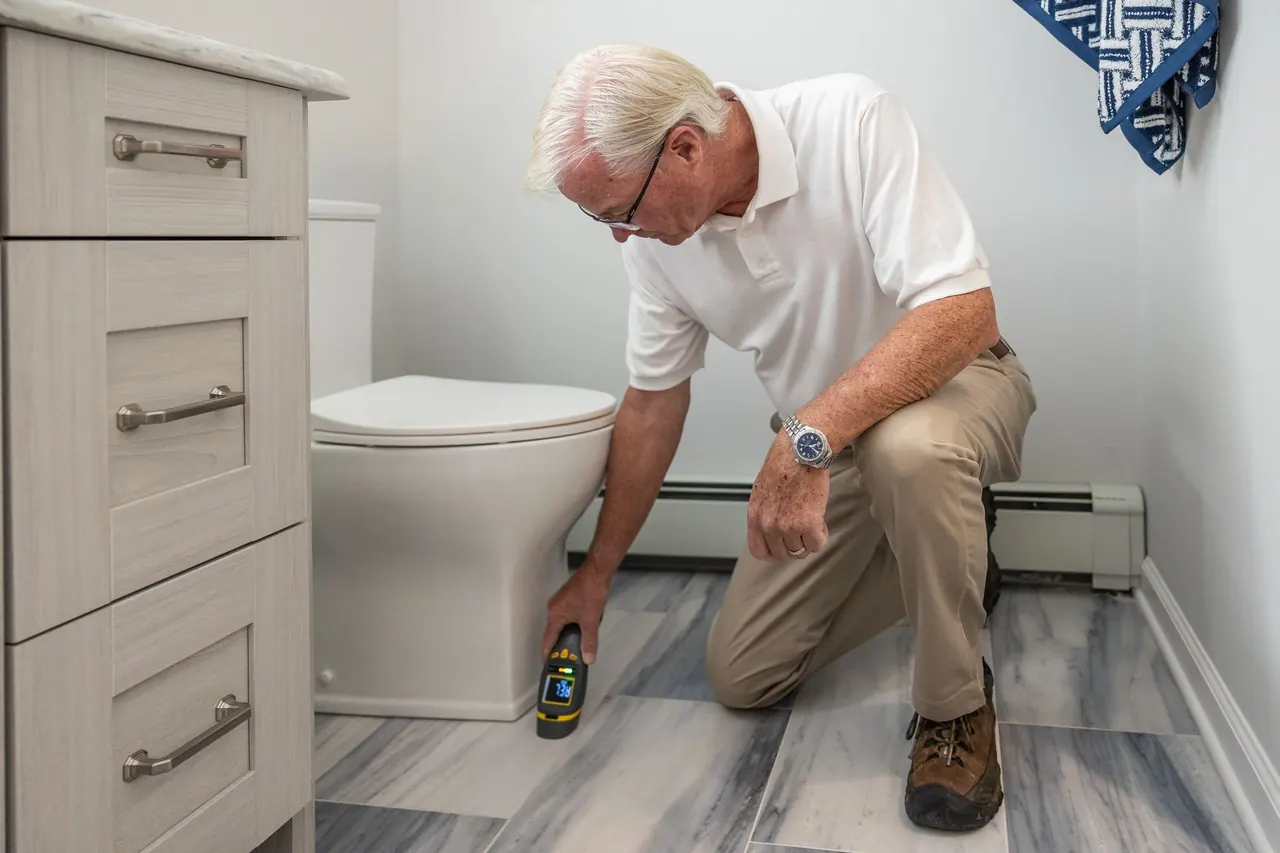
When a pipe bursts at 2 a.m., our emergency crew stops the water, extracts it and starts drying. We handle the crawl space and the living space above it in one visit, so you're not coordinating two companies.
View service
Most of our crawl space work starts as a residential water damage call. We dry floors, walls and subfloor panels together, which keeps moisture from migrating back into the crawl space after we leave.
View serviceSugar Land office parks and retail spaces with raised foundations get the same crawl space treatment on a larger scale. We work after hours to keep your doors open and document everything for your property carrier.
View service
Standing water in a crawl space needs to come out fast. Our extraction units and submersible pumps pull hundreds of gallons an hour, which limits how far moisture wicks into joists and insulation.
View service
We answer the phone 24 hours a day, every day of the year. Tell us what's wet and we'll tell you what to do while we're on the way. Most Sugar Land addresses see a truck within 60 to 90 minutes, and we serve all of Fort Bend County, including ZIP codes 77498, 77478, 77479, 77487, and 77496.