Focused arrival windows
Useful updates and clear arrival timing.
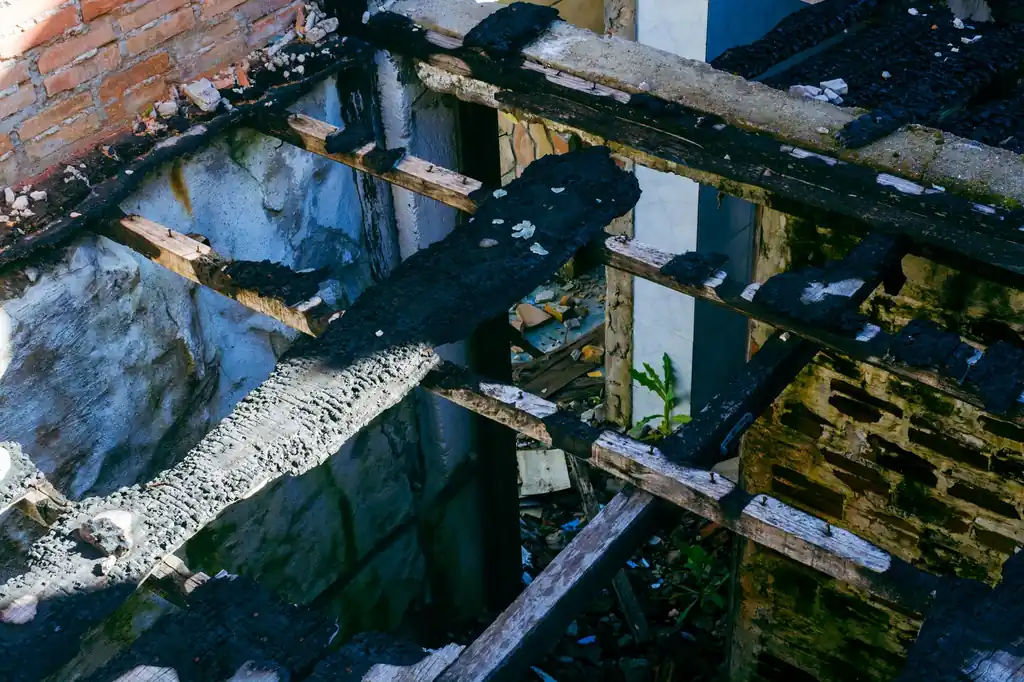
Hardwood Floor Water Damage Drying Sugar Land TX starts with a 60-minute emergency response and a moisture meter on every plank. Our IICRC WRT technicians extract standing water, map hidden saturation with thermal imaging, and dry your wood floor water damage repair in Sugar Land without unnecessary tear-out. We handle insurance paperwork, document moisture readings daily, and bill most carriers directly. Call (281) 326-6146.
Useful updates and clear arrival timing.
Review the approach and price before deciding.
Equipped vehicles and respectful cleanup.
Neighbors serving neighbors with follow-through.
Every hardwood floor water damage drying job includes inspection, extraction, drying equipment, daily monitoring, and insurance documentation. Add-on work like board replacement or refinishing is quoted separately and only if the floor needs it.
We use a moisture meter, thermal imaging camera, and boroscope inspection camera to find the wet boundary on your hardwood and in the subfloor. You get a written scope showing affected square footage before equipment is placed.
Standing water comes up with a water extraction unit and wet/dry vacuum. For deeper water we deploy a submersible pump. This step removes the bulk of the water so drying equipment can work on the moisture trapped in the wood.
We position Dri-Eaz and Phoenix Restoration Equipment air movers to create airflow across the planks, paired with desiccant dehumidifiers to pull moisture from the air. Equipment runs 24/7 until the floor hits dry standard.
We apply antimicrobial solution to the subfloor and any exposed edges where water sat. This limits mold growth during drying, which matters in Texas humidity. If mold is already present, our IICRC AMRT team handles remediation.
Each visit includes moisture meter and hygrometer readings logged by room. You get a drying report showing the floor moving from saturated to dry. These logs support your insurance claim and confirm the floor is actually dry before equipment comes out.
We photograph affected planks, build Xactimate estimates, and bill most major carriers directly. You are not fronting the drying cost and waiting for reimbursement. We also flag covered versus non-covered items so there are no surprises.
Share what is happening and receive a clear next step from the local team.
Hardwood Floor Water Damage Drying Sugar Land TX is a controlled structural drying process that removes trapped moisture from wood planks, subfloor panels, and the air cavity beneath them before cupping, crowning, or mold growth sets in. We start with a moisture meter and thermal imaging camera to find the wet edge, then run water extraction units and wet/dry vacuums across the surface. Next come air movers and dehumidifiers positioned to pull moisture out of the grain, not just off the top. Every reading gets logged so you can see the floor drying in real numbers.
Most Sugar Land calls come from slab leaks, burst pipes, and appliance leaks that sit unnoticed under floating floors or nailed-down oak. Fort Bend County's clay soil shifts with our wet-dry cycles and stresses supply lines, so hidden water damage behind walls and subfloor water damage are common. If you are searching for hardwood floor water damage restoration near me Sugar Land, the clock matters: wood can start cupping within 24 to 48 hours. We also handle wood floor water damage repair in Sugar Land homes where the finish has clouded or the seams have started to lift.

You call (281) 326-6146 and describe the leak. We ask about the water source, how long it has been wet, and whether the floor is floating or nailed down. A crew is dispatched with extraction and drying equipment. Most Sugar Land addresses see us on site within 60 to 90 minutes.
We walk the floor with a moisture meter and thermal imaging camera to find the wet boundary. A boroscope inspection camera checks under cabinets and into wall cavities. You get a written scope with affected square footage and a drying plan before any equipment is placed.
Standing water comes up with a water extraction unit and wet/dry vacuum. For deeper saturation we use a submersible pump in low spots. This step usually takes one to three hours depending on how much water is on the floor and how far it has spread under baseboards.
We set Dri-Eaz and Phoenix Restoration Equipment air movers and dehumidifiers to create a drying vortex across the planks. Desiccant dehumidifiers handle the Texas humidity load. Equipment runs 24/7, and we return daily to log moisture meter and hygrometer readings until the floor hits dry standard.
Drying typically takes three to five days. Once readings confirm the wood and subfloor are dry, we remove equipment and walk the floor with you. If planks need refinishing or board replacement, we coordinate that repair and document the completed work for your insurer.
We measure moisture content in the wood and relative humidity in the room. These readings set the drying goal and confirm when the floor is actually dry, not just dry to the touch.
Infrared imaging shows the wet boundary under and around the floor without tearing anything up. It finds hidden water damage behind walls and under cabinets that a visual inspection would miss.
High-velocity air movers create a drying vortex across the planks, pulling moisture out of the grain. We position them based on the moisture map, not a generic layout.
Texas humidity slows wood drying. Desiccant dehumidifiers pull moisture from the air so the planks release water faster and the floor reaches dry standard in fewer days.
These remove standing water from the surface and from seams between planks. Getting the bulk water up fast gives the drying equipment a head start on the moisture trapped below.
A boroscope lets us look under cabinets, into wall cavities, and below the floor without cutting. It confirms whether water reached the subfloor or the wall structure.
During drying we run HEPA air scrubbers to capture mold spores and dust. This protects indoor air quality while the floor and subfloor release moisture.
We follow the IICRC S500 standard for water damage restoration, which sets drying goals based on the material and the water category. For hardwood, that means targeting the wood's equilibrium moisture content, not a fixed number of days.
Every visit includes moisture meter and hygrometer readings logged by room. The drying report shows the floor moving from saturated to dry and gives your adjuster the data needed to approve the claim.
We apply antimicrobial solution to the subfloor and exposed edges where water sat. This limits mold growth during drying, which matters in Texas humidity. If mold is already present, our IICRC AMRT team handles remediation.
We build estimates in Xactimate, the same platform most carriers use. That means line items match what your adjuster expects, which shortens approval time and reduces back-and-forth on the claim.
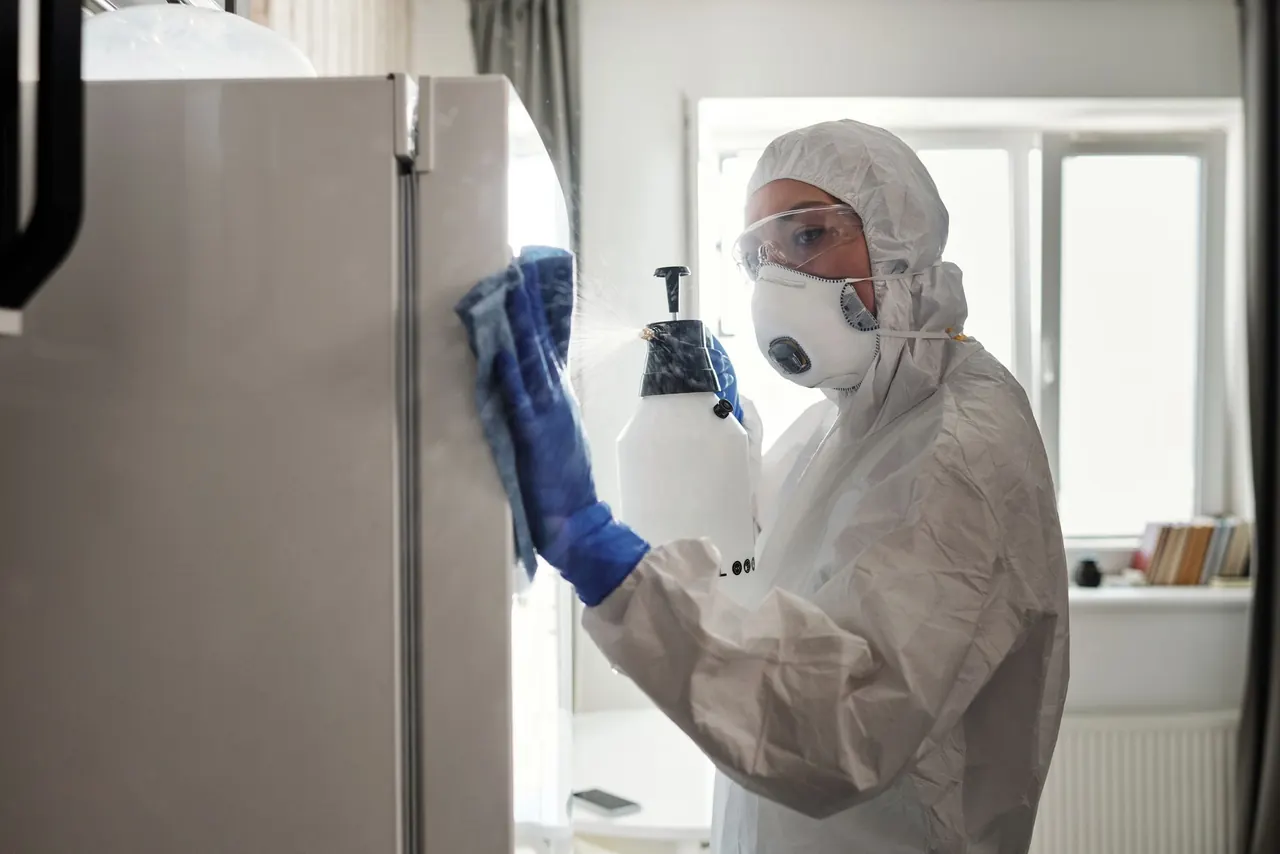
We extract the standing water, pull the washer out, and dry the laundry room and hallway floor together. Air movers and a dehumidifier run until moisture meter readings hit dry standard, usually three to four days. The hardwood dries without cupping, the subfloor is verified dry, and the documented loss goes to your insurance carrier for direct billing.
After your plumber repairs the line, we map the wet area with thermal imaging, extract any standing water, and dry the hardwood and subfloor with directed airflow and desiccant dehumidifiers. The floor returns to normal moisture content, the finish stays intact, and you avoid replacing the entire kitchen floor.
We remove the storm water, apply antimicrobial solution along the wet edge, and set drying equipment across the room. Daily readings track the floor from saturated to dry. The wood floor dries in four to five days, mold growth is prevented, and the claim is documented with Xactimate for your carrier.
We find the wet zone with a moisture meter and thermal camera, extract any trapped water, and dry the planks and subfloor. If the finish has clouded, we coordinate refinishing after drying. The hidden leak is documented, the floor dries without full replacement, and the repair is handled in one coordinated visit.
Sugar Land's slab-on-grade construction and Fort Bend County clay soil shape how we dry wood floors here. Clay shifts with wet-dry cycles and stresses supply lines, so slab leaks and burst pipes are common calls. Homes in First Colony, Riverstone, and Telfair often have nailed-down oak or engineered planks over concrete, which means moisture wicks up from the slab as well as down from the surface. We dry both directions. Summer humidity slows evaporation, so we run desiccant dehumidifiers longer than a crew would in a drier climate. Winter brings its own problems: a freeze can split a pipe in an exterior wall and send water across the floor overnight. If you need wood floor water damage repair in Sugar Land homes after a storm or a plumbing failure, we respond 24/7. We work in ZIP codes 77498, 77478, 77479, 77487, and 77496, and we document every job to IICRC S500 standards for your insurer.
Many homes here have original oak flooring over slab, and we see slab leaks and appliance failures that soak the wood from below. We dry the subfloor and the planks together.
Newer construction with engineered hardwood and tight crawl spaces. Water from a supply line can travel under several rooms before it shows, so thermal imaging is essential here.
Storm water intrusion under back doors is common after heavy rain. We extract fast and dry the floor edge and baseboards to prevent mold growth in the wall cavity.
Larger floor plans mean water from a kitchen or laundry leak can reach multiple rooms. We map the wet area first so drying equipment covers the full path, not just the visible spot.
Mature trees and older supply lines mean more pinhole leaks and slow drips under cabinets. We find them with moisture meters before the hardwood shows visible cupping.
Slab leaks develop slowly and push water up through the foundation into hardwood. By the time the floor feels damp, the subfloor is often saturated. We dry both layers and document the moisture map for your claim.
Wood releases moisture more slowly when the air is already humid. We run desiccant dehumidifiers and extend drying time by a day or two to reach dry standard instead of stopping early.
A freeze can burst a pipe in an exterior wall overnight and send water across the floor. We respond 24/7, extract, and dry the floor and wall cavity together to prevent hidden mold growth.
Heavy rain pushes water under door thresholds onto hardwood. Fast extraction and antimicrobial application along the wet edge prevent cupping and mold before the floor absorbs more.
A supply line burst under the kitchen sink overnight and water ran across the oak floor into the dining room. The homeowner found standing water at 6 a.m. and called us. Roughly 400 square feet of hardwood was saturated, with water under the baseboards.
We extracted the standing water in under two hours and set air movers and a desiccant dehumidifier. Daily readings showed the floor dry in four days. No cupping, no board replacement. The insurance claim was documented in Xactimate and billed directly.
Maintenance: Check supply lines under sinks twice a year and replace braided lines every five years. Keep indoor humidity between 35 and 55 percent to protect the wood.
A dishwasher leak ran for weeks before the homeowner noticed the floor darkening near the cabinet. Moisture meter readings showed saturation in the subfloor and the engineered hardwood, with early mold growth on the cabinet base.
We pulled the dishwasher, extracted trapped water, applied antimicrobial solution, and dried the subfloor and planks over five days. Mold was remediated to IICRC AMRT standards. The floor was refinished and returned to service without replacement.
Maintenance: Inspect the dishwasher supply line and door gasket annually. Run a moisture meter check near the cabinet base if you ever see standing water.
A spring storm pushed water under the back door and soaked about 250 square feet of living room hardwood. The homeowner called the next morning, and the floor was already starting to cup at the seams.
We extracted the water, applied antimicrobial solution along the wet edge, and set drying equipment across the room. Readings confirmed dry standard in five days. The cupping reversed as the wood equalized, and no planks needed replacement.
Maintenance: Keep door thresholds and weather stripping sealed, and clear gutters before storm season. Check the floor edge with a moisture meter after any major rain event.
From slab leaks to storm intrusion, water finds the fastest path into your wood floor. Here are the problems we see most in Sugar Land and how we stop them from becoming a full replacement.
Wood edges lift and the surface crowns as moisture differentials pull the grain. Left alone, the floor stays uneven and refinishing cannot fix it. Replacement becomes the only option. We dry the planks from both the surface and the subfloor side, using air movers and dehumidifiers sized to the room. Daily moisture meter readings tell us when the wood has equalized, so we stop drying at the right point and preserve the floor.
Subfloor panels hold water long after the hardwood surface feels dry. That trapped moisture feeds mold growth and keeps wicking into the planks, causing damage weeks after the leak is fixed. We use thermal imaging and a boroscope inspection camera to check under the floor, then dry the subfloor panels directly with directed airflow. We do not declare the job done until subfloor readings match dry standard.
Water at the floor edge sits against drywall and baseboard, and mold can colonize within 48 to 72 hours in Texas humidity. Airborne spores then spread through the home and affect indoor air quality. We pull baseboards where needed, apply antimicrobial solution, and run HEPA air scrubbers during drying. If mold is established, our IICRC AMRT certified team handles remediation before the floor goes back down.
Sugar Land's clay soil stresses supply lines under slabs, and slow leaks push water up through the foundation into hardwood. The floor stays damp, finish clouds, and the source is invisible until damage is advanced. We locate the wet zone with moisture meters and thermal imaging, coordinate with your plumber to stop the leak, then dry the hardwood and subfloor once the repair is complete. We document the moisture map for your insurance claim.
$1,200 - $3,800 depending on scope
Typical 2026 pricing for hardwood floor water damage drying in Sugar Land runs $1,200 to $3,800 for a residential job, depending on square footage, water category, and how many days equipment runs. Extraction-only calls can land under $800. If the loss is covered, your carrier usually pays the drying invoice directly and you are responsible for your deductible. We give you a written scope and price before equipment is placed, so there is no surprise on the back end.
Drying costs a fraction of replacing a hardwood floor. A $2,000 drying job that saves 600 square feet of oak avoids a $6,000 to $12,000 replacement, and it keeps your original flooring, finish, and home value intact.
The more floor that is wet, the more air movers and dehumidifiers we need and the longer they run. A single room may take three days; a whole first floor can take five to seven.
Clean water from a supply line dries faster than category 2 water from an appliance or toilet overflow. Contaminated water requires antimicrobial treatment and sometimes removal of saturated materials, which adds cost.
If water reached the subfloor panels, drying takes longer and needs more directed airflow. We confirm subfloor moisture with a meter and boroscope before setting the drying plan.
Solid oak dries differently than engineered hardwood or bamboo. Thick planks and sealed finishes release moisture more slowly, which can extend drying by a day or two.
If mold growth is already present under baseboards or in the subfloor, IICRC AMRT remediation adds cost. Catching the leak early usually avoids this line item entirely.
Most sudden and accidental water losses are covered. We document with Xactimate and bill your carrier directly, so your out-of-pocket cost is often just the deductible.
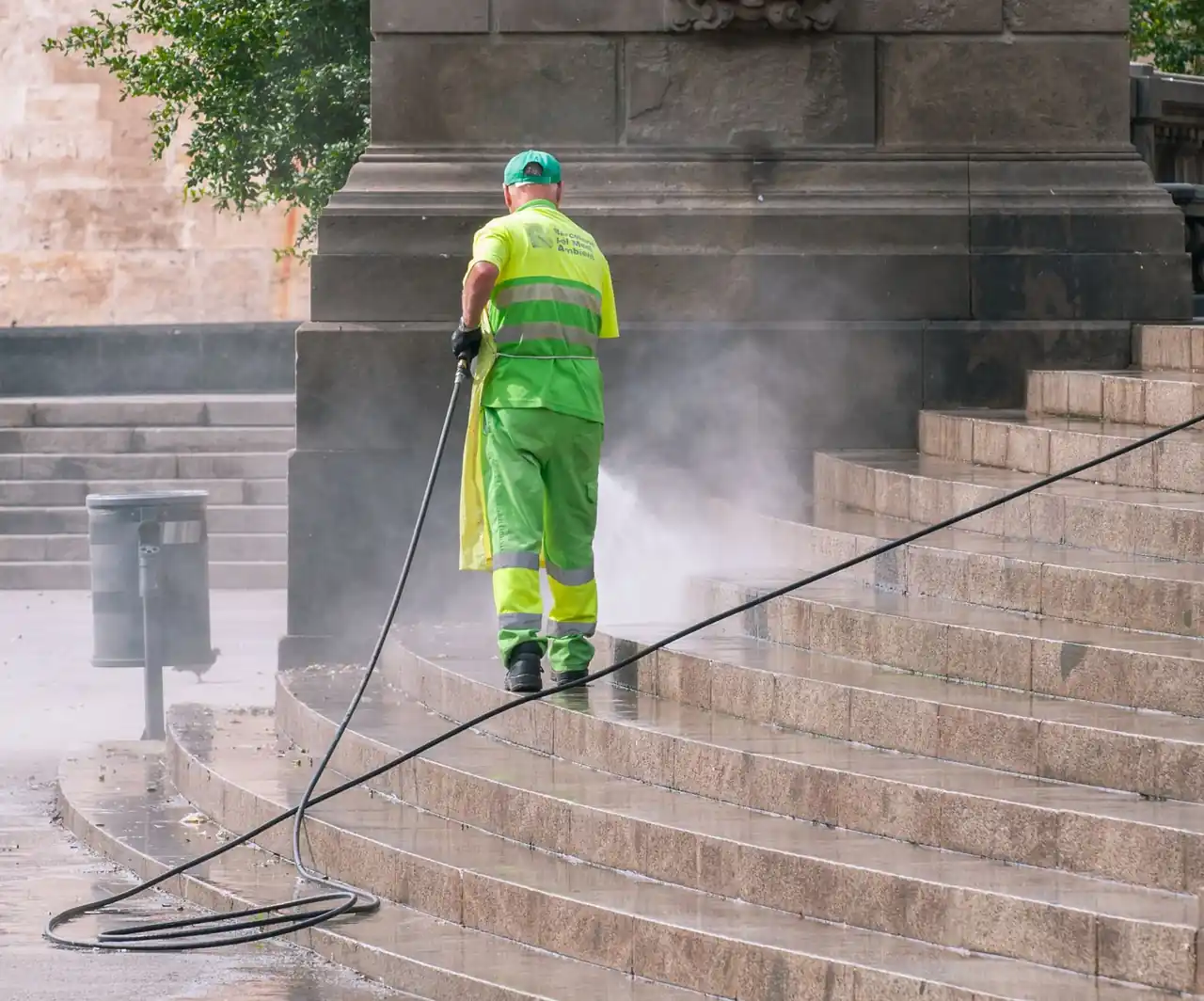
Our technicians hold IICRC WRT and IICRC ASD certifications, with AMRT credentials for mold work when a floor has been wet too long. We follow the IICRC S500 standard for water damage and drying, and we work under Texas Department of Licensing and Regulation (TDLR) requirements for mold-related remediation. Every job is documented with moisture meter and thermal imaging data, not guesswork. We know Sugar Land's slab-on-grade construction, the way Fort Bend County clay moves, and which neighborhoods see the most slab leaks and appliance failures. That local pattern recognition shortens drying time and saves floors.
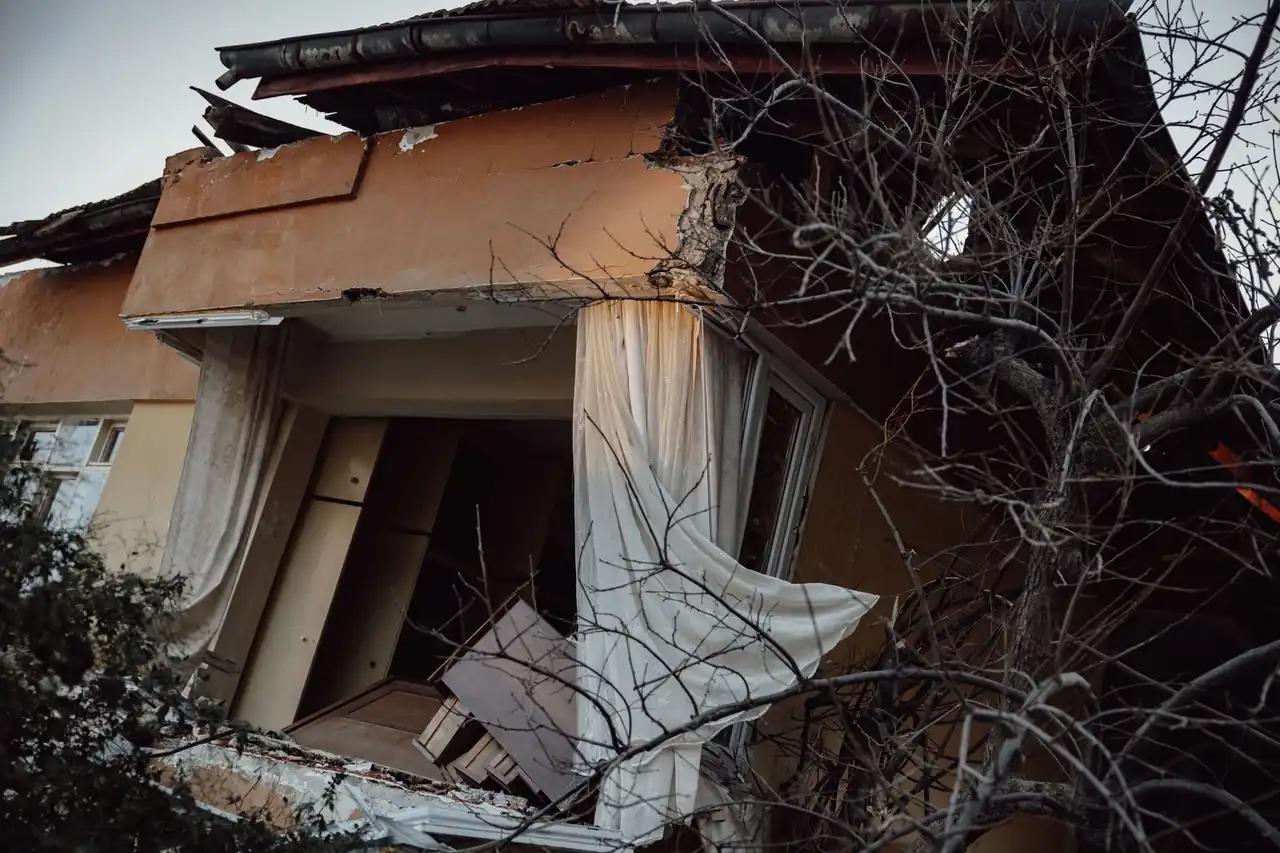
A supply line burst under our kitchen sink at 6 a.m. and water ran across the oak floor into the dining room. The crew was here in about an hour, extracted everything, and set air movers and a dehumidifier. They logged moisture readings every day and the floor was dry in four days. No cupping, no board replacement. Insurance covered it.
Our dishwasher leaked for weeks before we noticed the floor darkening near the cabinet. They found the wet area with a thermal camera, dried the subfloor and the hardwood, and treated for mold as a precaution. The drying report went straight to our adjuster. Honest pricing and no pressure to replace flooring we did not need to replace.
After the spring storms, water came in under our back door and soaked the living room hardwood. They pulled the water, set up drying equipment, and checked the wall and floor together so nothing was missed. Five days later the wood was back to normal moisture. They handled the Xactimate paperwork and billed our carrier directly.
Most residential drying jobs run $1,200 to $3,800 in 2026, depending on square footage, water category, and how many days equipment runs. Extraction-only calls can land under $800. If the loss is covered, your insurance carrier typically pays the drying invoice directly, and you are responsible for your deductible. We give you a written scope and price before equipment is placed.
Yes, if drying starts within 24 to 48 hours. Wood begins cupping and crowning after that window, and mold growth can follow in Texas humidity. We dry the planks and subfloor with air movers and dehumidifiers, then assess whether refinishing or board replacement is needed. Many floors come back without full replacement when we get there fast.
We do. Our IICRC WRT technicians handle hardwood floor drying Sugar Land TX jobs daily, using moisture meters, thermal imaging cameras, and desiccant dehumidifiers to pull water from the grain and subfloor. We log readings each visit and share the drying report with you and your adjuster. Call (281) 326-6146 for same-day service.
Most Sugar Land hardwood floors dry in three to five days. Thick oak, saturated subfloor panels, and high indoor humidity can push it to six or seven days. We verify dryness with moisture meter and hygrometer readings against the wood's equilibrium moisture content, and we do not pull equipment until the floor hits dry standard.
Not seeing your question? Our local team can help you understand urgency, scheduling and what to expect.
Ask the local team
When a burst pipe or slab leak floods your Sugar Land home, emergency water damage restoration stops the spread before it reaches your hardwood. We extract, dry, and document the loss so your floor drying can begin the same day.
View service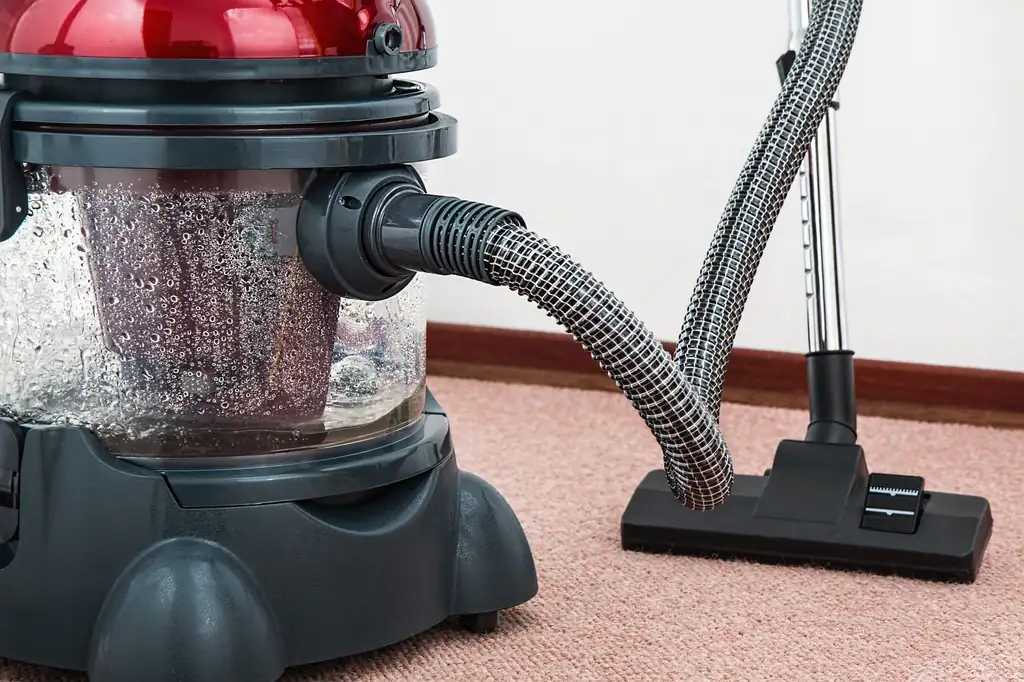
Whole-home water damage in Sugar Land often starts at one fixture and spreads under multiple rooms. Our residential restoration crews coordinate hardwood drying with wall, ceiling, and subfloor work so the entire structure dries on one schedule.
View serviceSugar Land offices, retail spaces, and restaurants with hardwood or engineered flooring need fast drying to reopen. We work after hours, protect inventory, and document everything for your commercial carrier while drying the floor.
View service
Standing water on hardwood must come up fast. Our emergency water extraction units and submersible pumps remove surface water in hours, giving the drying equipment a head start on the moisture trapped in your planks.
View serviceWe answer the phone 24 hours a day, every day of the year. Tell us what's wet and we'll tell you what to do while we're on the way. Most Sugar Land addresses see a truck within 60 to 90 minutes, and we serve all of Fort Bend County, including ZIP codes 77498, 77478, 77479, 77487, and 77496.