Focused arrival windows
Useful updates and clear arrival timing.
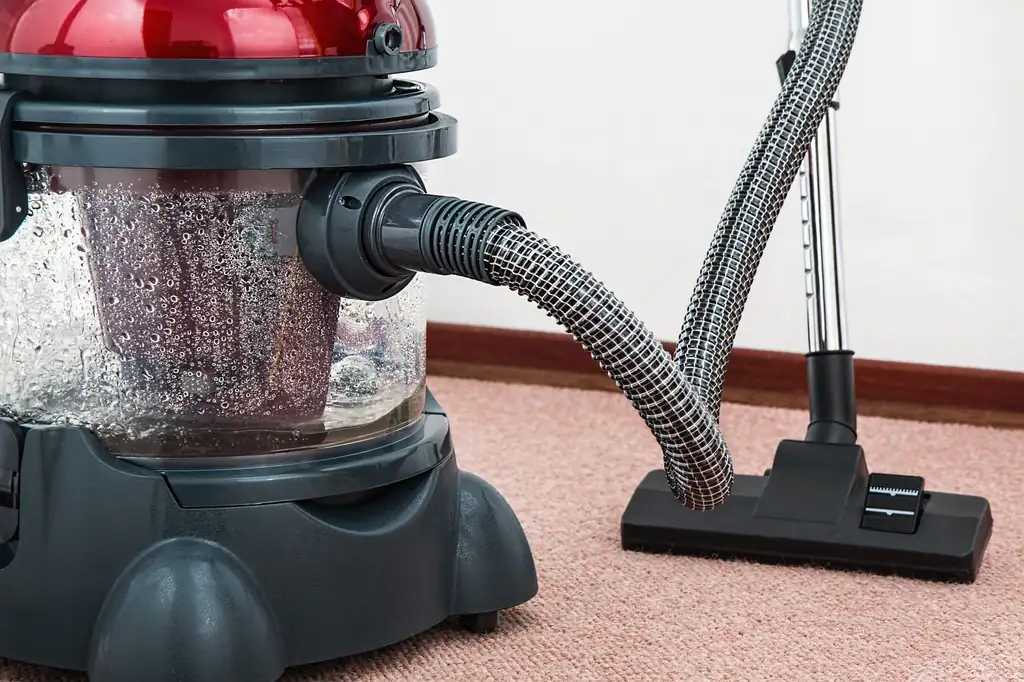
Storm Water Damage Cleanup Sugar Land TX starts with a phone call and ends with a dry, verified structure. We pull standing water, dry the framing, and document everything for your claim. Whether a Gulf storm pushed rain through your roof or a slow leak soaked the subfloor, our IICRC-certified crews handle storm damage water removal Sugar Land homeowners trust. We serve Fort Bend County 24/7.
Useful updates and clear arrival timing.
Review the approach and price before deciding.
Equipped vehicles and respectful cleanup.
Neighbors serving neighbors with follow-through.
Every storm water job is different, but our standard scope covers the critical steps that protect your home and your claim. Here is what is included when you hire us for storm water damage cleanup in Sugar Land, Texas.
We remove standing storm water using submersible pumps and truck-mounted extraction units. This includes carpet, padding, hardwood surfaces, and concrete slabs. Most Sugar Land homes are free of standing water within two to four hours of our arrival.
We use moisture meters, thermal imaging cameras, and a boroscope inspection camera to find hidden water behind walls, under floors, and above ceilings. You get a moisture map that shows exactly where the water traveled and what we plan to dry.
Storm water carries bacteria and debris. We apply antimicrobial solution to framing, baseboards, and subfloor panels after extraction. This step slows mold growth while the structure dries and is included in every storm flooding cleanup Sugar Land job.
We position Dri-Eaz and Phoenix Restoration Equipment air movers and commercial dehumidifiers to dry the structure. We monitor with a hygrometer and infrared thermometer daily and adjust equipment placement until readings match the dry standard.
We photograph every affected area, log moisture readings, and build a scope in Xactimate that adjusters accept. We bill most major carriers directly and communicate with your adjuster so you do not have to play middleman during a stressful time.
Share what is happening and receive a clear next step from the local team.
Storm Water Damage Cleanup Sugar Land TX is the process of removing storm-driven water from a structure, drying the building materials, and treating the affected areas to prevent mold growth. It is not a shop-vac job. Storm water carries silt, roof debris, and sometimes sewage backup, so extraction has to be followed by antimicrobial treatment, controlled demolition of unsalvageable drywall, and calibrated drying with air movers and dehumidifiers. We use moisture meters, thermal imaging cameras, and hygrometers to confirm the structure is dry to IICRC standards before we close the job.
Sugar Land sits in Fort Bend County, where October brings the tail end of hurricane season and spring delivers violent thunderstorms that overwhelm gutters and window seals. Homes in First Colony, Riverstone, and Telfair are often built on slab foundations with engineered hardwood and carpet over concrete, which hides water until the baseboards swell. If you search for storm water damage cleanup Sugar Land TX near me after a storm, you need a crew that can read a moisture meter, not just a wet/dry vacuum. We also handle storm damage water removal in Sugar Land homes where roof leaks have been dripping behind the walls for weeks.

You call (281) 326-6146 and speak to a live dispatcher, not a voicemail. We ask three questions: where is the water, how deep is it, and is the power safe to leave on. Within 60 to 90 minutes, a fully stocked truck arrives at your Sugar Land address. We stage equipment, lay down floor protection, and walk the structure with you to find every wet zone.
We start with the deepest standing water using submersible pumps and RIDGID wet/dry vacuums. Then we switch to truck-mounted water extraction units for carpet and padding. If storm water entered through a roof leak, we tarp the breach first so we are not fighting incoming rain. Extraction usually takes two to four hours for an average Sugar Land home.
We use a moisture meter, thermal imaging camera, and boroscope inspection camera to map hidden water behind walls and under floors. Any drywall or baseboard that is saturated past salvage gets removed in clean, controlled cuts. We bag and haul debris the same day. This step is where we find the surprises, like subfloor water damage or a soaked thermal insulation batt.
We position Dri-Eaz and Phoenix Restoration Equipment air movers to create a vortex across wet surfaces, then run commercial dehumidifiers to pull moisture from the air. A hygrometer and infrared thermometer let us track temperature and humidity every few hours. Most Sugar Land jobs dry in three to five days. We do not pull equipment until readings match dry standard.
On the last day, we take moisture readings in every affected room and compare them to a dry reference point. We apply waterproof sealant where needed and replace any removed baseboard or drywall if you have approved the repair scope. You get a full documentation packet for your insurance claim, plus a written drying report. Then we walk the job with you.
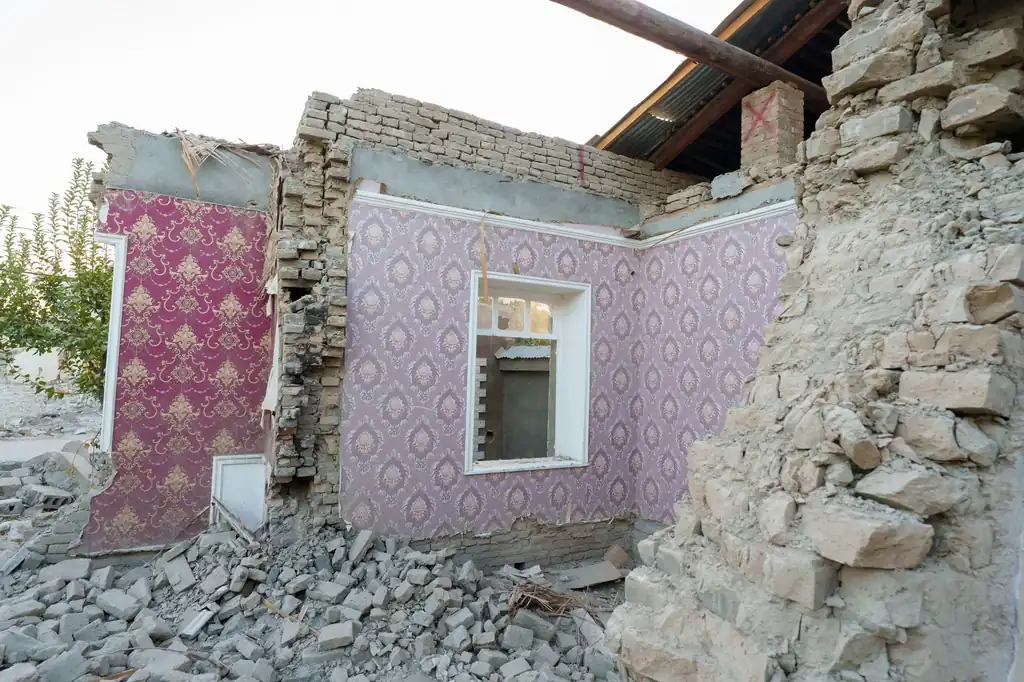
Reveals temperature differences behind walls and under floors, showing us exactly where storm water traveled without tearing everything open.
Measures moisture content in drywall, wood, and concrete, and tracks relative humidity in the air so we know when the structure is truly dry.
High-velocity fans that create a vortex across wet surfaces, speeding evaporation from carpet, drywall, and subfloor panels.
Commercial-grade dehumidifiers that pull moisture from the air, preventing secondary damage and mold growth during the drying process.
Removes deep standing water from floors and crawl spaces before we begin structural drying. Essential after storm flooding.
Lets us see inside wall cavities and under cabinets without major demolition, so we can confirm hidden water damage.
We follow the IICRC S500 standard for water damage restoration, which sets target moisture levels and drying goals. Our technicians hold IICRC WRT and ASD certifications and document every reading against those standards.
We build the scope of work in Xactimate, the same software most insurance adjusters use. That means line items, quantities, and pricing match what your carrier expects, reducing delays and back-and-forth.
After extraction, we apply antimicrobial solution to affected materials and run air scrubbers with HEPA filters. This combination slows mold growth and captures airborne spores while the structure dries.
If we find mold growth, we isolate the area with polyethylene sheeting and negative air pressure. This keeps spores from spreading to clean rooms while we treat the affected space under IICRC AMRT protocols.
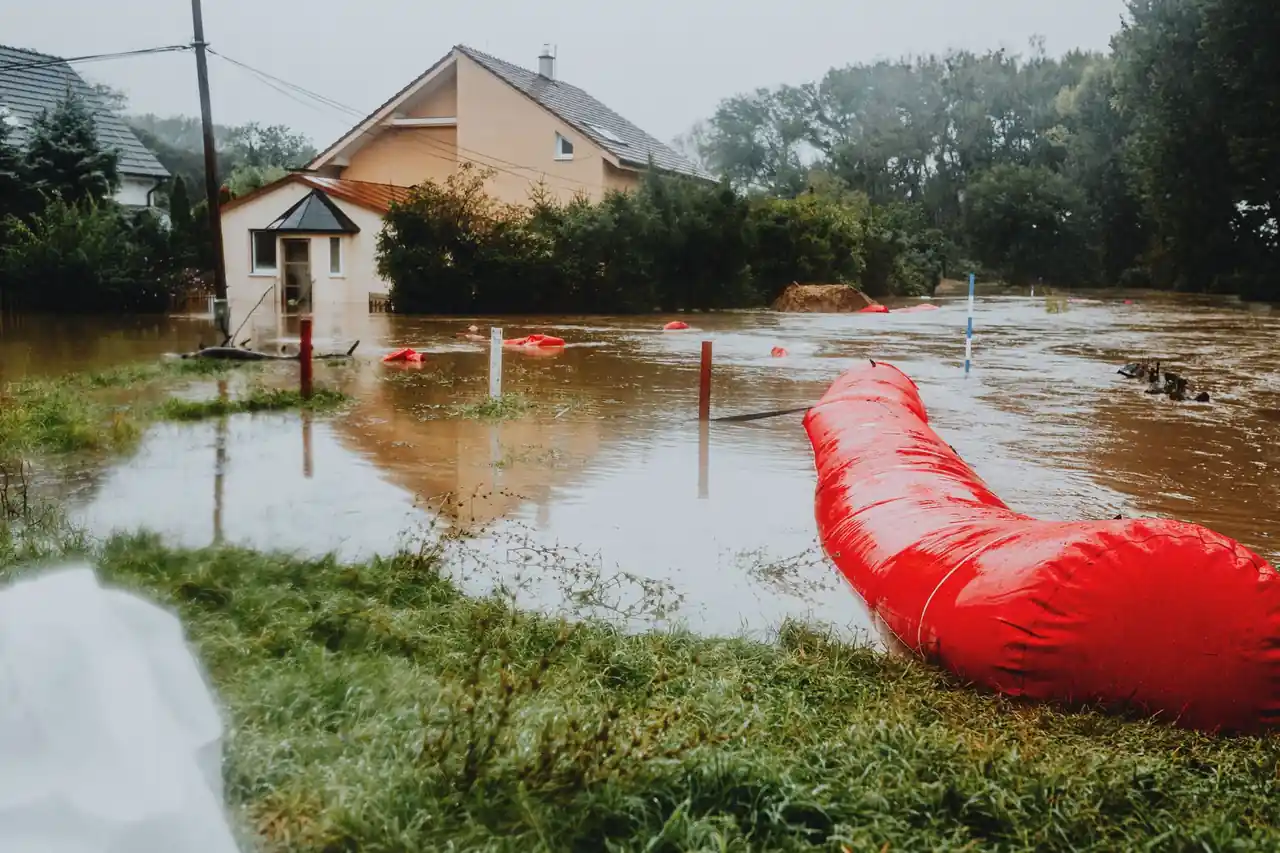
We arrive within 90 minutes, extract the water from carpet and padding, lift the carpet to dry the subfloor, and set up air movers and a dehumidifier. We document the damage for your claim and monitor moisture daily. Carpet and subfloor are dry in three days, no mold growth, and your insurance claim is filed with full documentation.
We tarp the roof breach, remove the wet insulation, extract water from the ceiling cavity, and dry the joists with directed airflow. We use a moisture meter to confirm the ceiling is dry before we finish. Ceiling and attic are dry in four days, ceiling stains are documented for repair, and no mold develops in the insulation cavity.
We dispatch a commercial crew with submersible pumps and desiccant dehumidifiers. We extract the water, apply antimicrobial solution, and run air scrubbers overnight so the space is ready to open. Store reopens the next morning with dry floors and no lingering odor. Full documentation is sent to the property manager and adjuster.
We use a thermal imaging camera to find the hidden moisture, cut out the saturated drywall, treat the framing with antimicrobial solution, and dry the cavity with air movers and a dehumidifier. The musty smell is gone, moisture readings match the dry standard, and the wall is ready for repair within five days.
Sugar Land sits in Fort Bend County, about 20 miles southwest of Houston, where the climate swings between humid summers and violent spring storms. October still carries hurricane season risk, and the clay-heavy soil around First Colony and Riverstone does not drain quickly, so water pools against foundations. Most homes here are slab-on-grade with post-tension cables, which means a slab leak or storm water intrusion can travel under flooring without showing on the surface. We use thermal imaging cameras and moisture meters to trace that path. The city follows Texas Department of Licensing and Regulation (TDLR) rules, and we follow Texas Mold Assessment and Remediation (MRT) guidelines when mold is present. If you need emergency storm flooding cleanup Sugar Land residents can count on, we stage trucks across the area so we are not stuck in traffic when you call. We also handle storm water damage cleanup in Sugar Land, Texas for commercial properties near Sugar Land Town Square, where a single storm can flood multiple storefronts.
Many homes here have mature trees that drop limbs during storms, cracking roof shingles and allowing water into the attic. We see a lot of ceiling water damage in this neighborhood.
Lakes and retention ponds can overflow during heavy rain, pushing water toward low-lying streets. Homes near the water are at higher risk for crawl space flooding and subfloor saturation.
Newer construction with tight building envelopes can trap moisture inside walls after a storm. We use boroscope inspection cameras to check cavities that do not show visible damage.
Commercial buildings here share walls and drainage systems. A storm that floods one storefront can push water into neighboring units, so we often work across multiple suites at once.
Water pools against foundations and can seep into slab cracks or crawl spaces. We pump out standing water and dry the structure before mold takes hold.
Drying takes longer because the air already holds moisture. We run commercial dehumidifiers and monitor with a hygrometer to make sure the structure reaches dry standard.
Storm surges and heavy rain can flood multiple homes at once. We stage extra crews and equipment across Fort Bend County so we can respond quickly during peak demand.
A tropical storm pushed two inches of water under the back door, soaking 400 square feet of carpet and padding. The homeowner called at 6 a.m. and water was still standing when we arrived 75 minutes later.
We extracted the water in two hours, lifted the carpet, dried the subfloor with air movers and a dehumidifier, and had moisture readings at dry standard in three days. The carpet was saved and reinstalled.
Maintenance: We recommended a waterproof sealant along the door threshold and a yearly gutter cleaning to keep storm water moving away from the house.
A spring hailstorm cracked a roof vent, and water dripped through the attic insulation for two days before the homeowner noticed a ceiling stain. The insulation was soaked and mold was starting on the joists.
We tarped the roof, removed 60 square feet of wet insulation, treated the joists with antimicrobial solution, and dried the attic in four days. Final moisture readings matched the dry standard.
Maintenance: We suggested an annual roof inspection before storm season and replacing the damaged vent flashing to prevent future leaks.
Storm water backed up through a floor drain and flooded 1,200 square feet of a retail store. The store manager needed to reopen the next morning or lose a weekend of sales.
We dispatched a commercial crew within an hour, extracted the water with submersible pumps, applied antimicrobial solution, and ran desiccant dehumidifiers overnight. The store opened on time with dry floors.
Maintenance: We recommended a backflow preventer on the floor drain and quarterly drain maintenance to reduce future backup risk.
Storm water finds the weakest point in your home and exploits it. These are the problems we see most often in Sugar Land and how we fix them.
Drywall stays wet for weeks, mold growth starts inside the cavity, and you only notice when you smell it or see ceiling water stains. We use a thermal imaging camera and boroscope inspection camera to find the water line, cut out saturated drywall, and dry the cavity with directed airflow. We treat with antimicrobial solution and verify with a moisture meter before closing up.
Subfloor panels trap water against the slab, causing warping, delamination, and long-term structural weakness that can cost thousands to repair. We detect saturation with moisture meters, remove compromised panels if needed, and dry the remaining subfloor with air movers and dehumidifiers. We document the damage for your insurance claim and replace what cannot be saved.
Water in the crawl space evaporates upward, raising humidity inside the whole house and feeding mold growth in the living space above. We pump out the standing water, install polyethylene sheeting as a vapor barrier, and run dehumidifiers to bring moisture levels down. This protects your subfloor and floor joists from long-term rot.
Category 3 water carries bacteria and pathogens. If it is not treated properly, it can cause health issues and make the space unsafe to occupy. We treat contaminated water as a hazardous material, wear full PPE, remove and dispose of affected materials, and apply antimicrobial solution to all surfaces. We run HEPA air scrubbers to clean the air before we begin drying.
$1,200 - $4,800 depending on scope
Storm water cleanup in Sugar Land typically costs $1,200 to $4,800 in 2026, depending on how much water entered, how far it spread, and whether demolition is needed. A single room with carpet extraction and three days of drying usually lands near the lower end. Whole-house flooding with contaminated water pushes toward the top. We provide a written scope before work begins, bill most insurance carriers directly, and never charge for an estimate. If you are comparing storm damage water removal Sugar Land quotes, ask whether the price includes antimicrobial treatment and daily moisture monitoring. Ours does.
The price covers extraction, antimicrobial treatment, structural drying, daily monitoring, and full insurance documentation. Cutting corners on drying leads to mold growth that costs far more to fix later. We dry to IICRC standards and verify with moisture readings before we pull equipment.
The more area storm water touched, the more extraction, drying equipment, and monitoring the job requires. A 200-square-foot bedroom dries faster and cheaper than a 1,200-square-foot open floor plan.
Clean rainwater is Category 1 and costs less to treat. Water that mixed with sewage or chemicals is Category 3 and requires PPE, disposal of affected materials, and antimicrobial treatment, which adds labor and cost.
If drywall, baseboard, or subfloor panels are saturated beyond salvage, we remove and dispose of them. That adds labor and dumpster fees, but it prevents mold growth inside the wall cavity.
Most Sugar Land homes dry in three to five days. High humidity or a dense building envelope can stretch that to six or seven days, which adds equipment rental and monitoring time.
If your policy covers the loss, your out-of-pocket cost may be just your deductible. We bill most major carriers directly and document the job in Xactimate so the claim moves without delays.
Our technicians hold IICRC WRT (Water Restoration Technician), IICRC ASD (Applied Structural Drying), and IICRC AMRT (Applied Microbial Remediation Technician) certifications. That means they are trained to dry structures to a measurable standard, not just until it looks dry. We also carry EPA Lead-Safe and OSHA 10 credentials, which matter when we open walls in older Sugar Land homes. We work with Texas Department of Licensing and Regulation (TDLR) rules and follow Texas Mold Assessment and Remediation (MRT) guidelines on every job that involves mold. Our equipment list includes Dri-Eaz, Phoenix Restoration Equipment, DeWalt, Milwaukee, and Fuji gear, and we document every job in Xactimate so your adjuster sees exactly what we did.
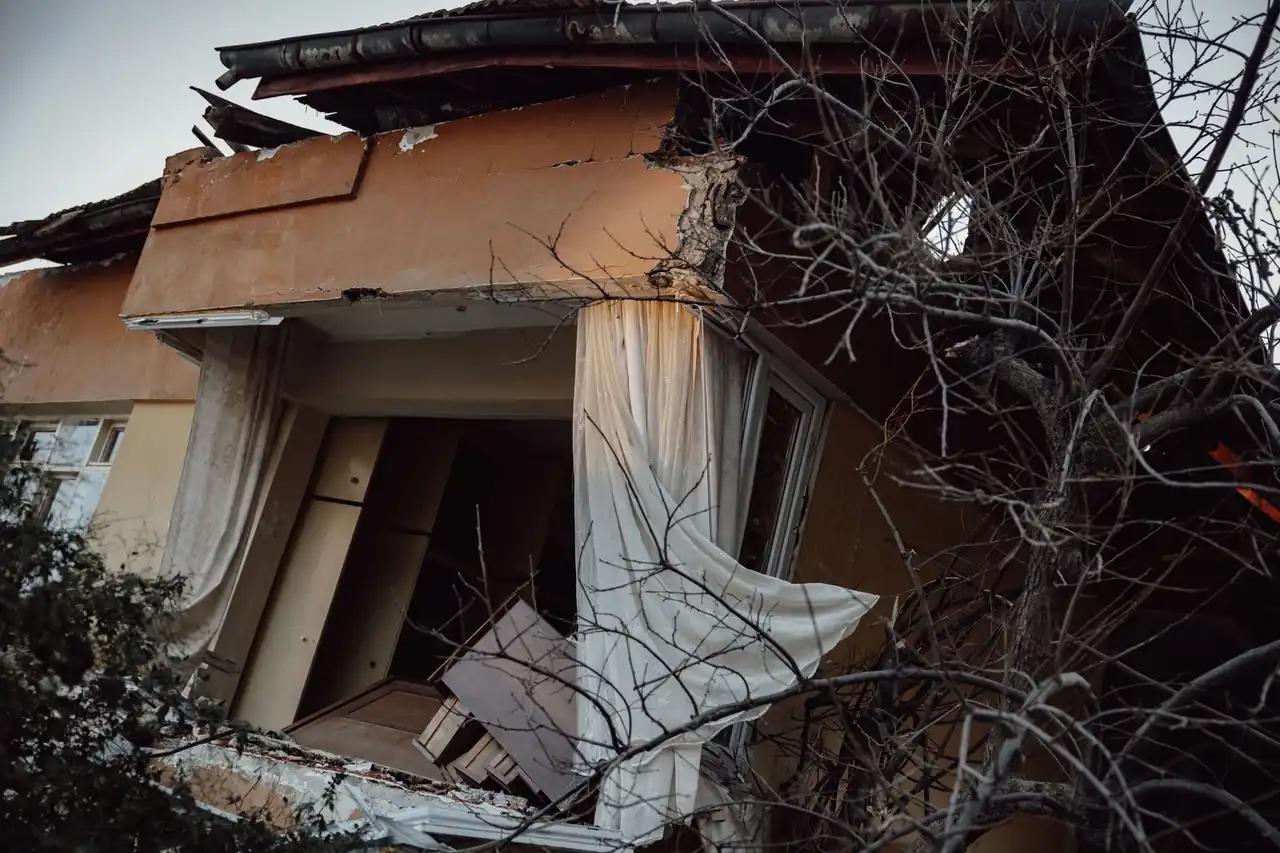
A storm pushed water under our back door and soaked the living room carpet. I called at 6 a.m. and the crew was here by 7:15. They pulled the water, set up air movers, and had the carpet dry in three days. They also handled the insurance paperwork, which saved me hours. I would call them again without hesitation.
We had a roof leak during a spring storm that soaked the attic insulation and ceiling. The team tarped the roof, removed the wet insulation, and dried the joists. They found mold starting behind the drywall and treated it the same day. The final moisture readings matched the dry standard, and they gave me a full report for my claim.
Storm water came through a storefront and flooded about 1,200 square feet of our retail space. The crew arrived within an hour, extracted the water, and set up desiccant dehumidifiers overnight. We opened the next morning with no visible damage. They documented everything and worked directly with our adjuster. Professional and fast.
Most residential storm water cleanup jobs in Sugar Land run $1,200 to $4,800 in 2026, depending on square footage affected and how much demolition is needed. A single-room extraction with three days of drying typically lands near the lower end. Whole-house flooding with sewage contamination pushes toward the top. We provide a written scope and price before work begins, and we bill most insurance carriers directly.
Yes. We run 24/7 emergency crews and typically arrive within 60 to 90 minutes anywhere in Sugar Land, including First Colony, Riverstone, and Telfair. Call (281) 326-6146 and a live dispatcher will confirm your address and send the nearest truck. We start extraction the moment we arrive, not after a paperwork delay.
We do. Emergency storm water removal near me Sugar Land searches connect you to our on-call crew, which carries submersible pumps, water extraction units, and Dri-Eaz air movers on every truck. We handle roof leaks, window intrusion, and rising water from Brazos River flooding. Night, weekend, or holiday, the phone is answered by a person.
Most homeowners policies in Texas cover sudden storm water damage, including roof leaks and window intrusion, but exclude gradual leaks and general flooding. Flood damage usually requires a separate NFIP or private flood policy. We document the loss in Xactimate, photograph everything, and work directly with your adjuster to support the claim. We can explain your coverage before we start.
Not seeing your question? Our local team can help you understand urgency, scheduling and what to expect.
Ask the local team
When storm water turns into a full emergency, our restoration team handles the entire scope from extraction to reconstruction. We serve Sugar Land 24/7 and coordinate directly with your insurance adjuster to keep the job moving.
View service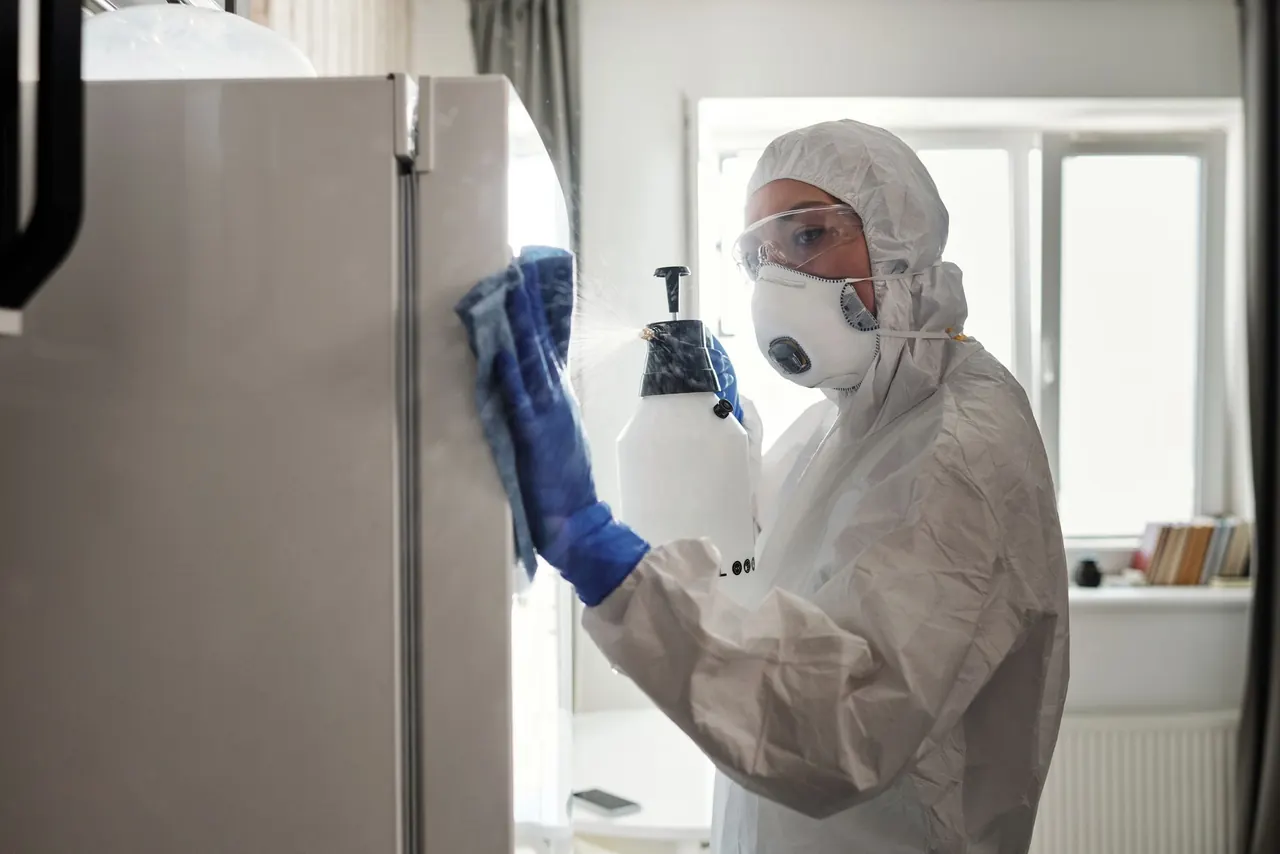
Storm water often finds its way into bedrooms, living rooms, and closets. Our residential crews dry hardwood, carpet, and drywall using IICRC standards, and we document every room for your claim. Most Sugar Land homes are dry in three to five days.
View service
Sugar Land Town Square businesses cannot afford a week of downtime. Our commercial team deploys larger desiccant dehumidifiers and air scrubbers to dry retail and office space fast, often overnight, so you can open the next morning.
View serviceStanding storm water needs to come out before anything else happens. We use submersible pumps and truck-mounted extraction units to pull water from carpet, tile, and concrete slabs. Most Sugar Land extraction jobs take two to four hours.
View service
We answer the phone 24 hours a day, every day of the year. Tell us what's wet and we'll tell you what to do while we're on the way. Most Sugar Land addresses see a truck within 60 to 90 minutes, and we serve all of Fort Bend County, including ZIP codes 77498, 77478, 77479, 77487, and 77496.