Focused arrival windows
Useful updates and clear arrival timing.

Structural Drying Services Sugar Land TX is the fast, engineered drying of walls, floors, and subfloors after a leak, storm, or overflow. If your Sugar Land home took on water from a burst pipe, slab leak, or roof leak, we pull the moisture out with commercial air movers and dehumidifiers before it becomes mold. We serve Fort Bend County homeowners 24/7, and we start same-day.
Useful updates and clear arrival timing.
Review the approach and price before deciding.
Equipped vehicles and respectful cleanup.
Neighbors serving neighbors with follow-through.
Every structural drying job is different, but these are the core pieces we bring to a Sugar Land home. If your job needs something beyond this list, we will tell you upfront before we start.
We use moisture meters, thermal imaging cameras, and a boroscope inspection camera to find every wet area, including hidden water damage behind walls. You get a marked-up diagram of what is wet and how wet it is.
Standing water comes out with a submersible pump or water extraction unit. We extract carpet and pad, pull baseboard if needed, and remove any water we can reach before drying begins.
We place air movers every 10 to 16 feet along wet surfaces and set Dri-Eaz or Phoenix Restoration Equipment dehumidifiers to pull moisture from the air. Equipment runs 24/7 until the structure is dry.
Affected framing, subfloor, and wall cavities get an antimicrobial solution to stop mold growth. This is standard on every job, not an upsell. It is especially important on storm water and toilet overflow jobs.
A technician returns every day to log moisture and humidity readings and adjust equipment. We photograph everything and format the final report so your insurance adjuster has what they need.
We do not pull equipment until readings confirm the structure is dry. You get a final moisture report showing dry standard for every affected material. That report is your proof the job was done right.
Share what is happening and receive a clear next step from the local team.
Structural Drying Services Sugar Land TX is the controlled removal of moisture from building materials, not just the surface. When water gets into drywall, baseboard, subfloor panels, or thermal insulation, a shop vac and a box fan will not cut it. We use moisture meters, thermal imaging cameras, and hygrometers to map exactly where the water traveled, then set air movers and dehumidifiers to dry the structure to IICRC S500 standard. That means wall cavities, floor assemblies, and ceiling joists get dry, not just the carpet.
Sugar Land sits on clay-heavy soil, and our summer humidity runs high enough that wet drywall can start growing mold in 24 to 48 hours. Most calls we get come from slab leaks under tile floors, washing machine supply lines that let go, and roof leaks after a spring hailstorm. If you search for professional structural drying near me Sugar Land, you want a crew that knows how Fort Bend County homes are built. We do.
You call (281) 326-6146 and describe what happened. We ask about the water source, how long it has been sitting, and what kind of flooring you have. Within minutes we dispatch a crew with extraction and drying equipment. For same-day structural drying Sugar Land TX, call before noon and we are usually on-site within two to three hours.
We walk the affected area with a moisture meter and thermal imaging camera. A boroscope inspection camera goes into wall cavities where we suspect hidden water damage behind walls. We mark wet zones with tape and photograph everything. This inspection takes 30 to 45 minutes and tells us exactly how far the water traveled.
Standing water comes out first. We use a submersible pump for deep water and a water extraction unit or wet/dry vacuum for carpet and pad. If the carpet is salvageable, we float it and extract underneath. Extraction usually takes one to three hours depending on how much water is present.
We place air movers every 10 to 16 feet along walls to create a vortex of air across wet surfaces. Dehumidifiers pull the moisture out of the air so the air movers can keep absorbing more. In crawl spaces we may hang polyethylene sheeting to contain the drying chamber. Setup takes about an hour, and the equipment runs 24/7.
A technician returns every day to take moisture and humidity readings. We adjust equipment placement as materials dry. Most structural drying jobs in Sugar Land take three to five days. When readings hit dry standard, we remove equipment, do a final walkthrough, and email your moisture report.
Pin and pinless meters tell us the moisture content of drywall, wood, and subfloor. We use them to map wet zones and to confirm dry standard before we pull equipment.
Infrared cameras show temperature differences that reveal hidden water behind walls and under floors. This is how we find slab leaks and ceiling leaks without tearing everything open.
High-velocity air movers create a vortex across wet surfaces to evaporate moisture. We place them every 10 to 16 feet along walls and floors, angled to reach into cavities.
We use Dri-Eaz and Phoenix Restoration Equipment dehumidifiers to pull water vapor out of the air so air movers can keep working. Without dehumidification, you just move moisture around.
Hygrometers measure relative humidity in the drying chamber. We log readings daily and adjust equipment until humidity drops to target levels.
A boroscope goes into wall cavities through a small hole to show us hidden water damage behind walls. It saves you from unnecessary tear-out.
Commercial extraction units pull water out of carpet and pad fast. We use them before setting drying equipment so the air movers are not fighting standing water.
We follow the IICRC S500 standard for water damage restoration, which sets the drying goals, monitoring frequency, and documentation requirements for every job. It is the industry benchmark and the standard your insurance adjuster expects to see.
We scan the affected area with a thermal imaging camera to find temperature anomalies that indicate hidden moisture. Then we confirm with a moisture meter and mark the wet zone. This method finds water behind walls and under floors without demolition.
We set up a drying chamber using polyethylene sheeting when needed to concentrate airflow and dehumidification in the wet area. Air movers are angled to create a vortex across wet surfaces, and dehumidifiers remove the moisture from the air.
A technician returns every day to take moisture and humidity readings and adjust equipment placement. We log everything and compare readings to dry standard for each material. You get a final report showing the drying curve.
We extract water from the carpet, open the ceiling where it is sagging, and dry the ceiling joists and insulation. Air movers and dehumidifiers run for four days. We document everything for your insurance claim. The bedroom is dry, the ceiling is ready for patch and paint, and you avoided mold in the attic insulation.
We treat this as contaminated water, apply antimicrobial solution, and dry both floors. The kitchen ceiling gets opened, dried, and documented. We check the subfloor above with a moisture meter before we finish. Both floors read dry, no mold growth, and your insurance adjuster has a complete scope.
We tarp the roof, remove wet insulation, and dry the attic framing and hallway wall cavity. A dehumidifier runs in the attic to control humidity. We coordinate with your roofer for permanent repairs. The attic and hallway dry in three days, and you avoid a mold problem in the insulation.
We detect the moisture with thermal imaging, dry the baseboard and cabinet bases in place, and coordinate with a plumber to fix the line. Floor drying mats pull moisture from under the tile. The cabinets and baseboard are saved, the floor is dry, and the slab leak is repaired.
Sugar Land's climate creates specific drying challenges. Summer humidity regularly runs above 70 percent, which slows evaporation and makes dehumidification essential. Winter freezes can burst pipes in attics and walls, and spring storms drive water through roofs and windows. The soil here is clay-heavy, so slab leaks are common and water tends to spread sideways under flooring rather than draining away. Many homes in First Colony, Riverstone, and Telfair have engineered hardwood or tile over concrete slab, which traps moisture underneath. We adjust our drying setup for these conditions, using floor drying mats for hardwood and directed airflow into wall cavities. If you need building structural drying Sugar Land, we know how these homes are built and where water hides. We also follow TDLR and Texas Mold Assessment and Remediation requirements on every job.
Many homes here have mature trees and older plumbing. Slab leaks and cast-iron drain failures are common calls, and water often spreads under tile flooring before it is noticed.
Newer construction with PEX plumbing and engineered hardwood. Supply line failures and washing machine leaks are the most frequent calls we get from this neighborhood.
Two-story homes with upstairs laundry rooms. When a washing machine line fails, water runs through the floor into the ceiling below, so we often dry two levels at once.
Commercial and mixed-use buildings with flat roofs. Roof leaks after storms are common, and we schedule drying around business hours to keep tenants open.
We run more dehumidification capacity and monitor humidity readings closely. Without it, drying times can double and mold risk goes up.
Water under a slab can travel far from the source. We use thermal imaging to map the full wet zone before we set equipment.
We see a spike in calls after hard freezes. Attic pipes and wall pipes are most vulnerable, and water often runs down into ceilings below.
Storm water is treated as contaminated, so we apply antimicrobial solution before drying. We also tarp damaged roofs to stop more water from entering.
A supply line failed and flooded the laundry room, hallway, and part of a bedroom. Carpet was soaked, baseboard was wet, and the subfloor read 28 percent moisture content.
We extracted 40 gallons of water, pulled the carpet back, and dried the subfloor to 11 percent in four days. Baseboard was dried in place and saved. The homeowner avoided replacing 400 square feet of carpet.
Maintenance: Replace rubber washing machine hoses with braided stainless steel lines and shut off the valves when you leave for vacation. Check the hose connections twice a year.
A slab leak pushed water up through the kitchen tile and into the baseboard and lower cabinets. The homeowner noticed a musty smell and warm spots on the floor.
We mapped the wet zone with thermal imaging, dried the baseboard and cabinet bases in place, and got the subfloor to dry standard in five days. The cabinets were saved, and the plumber repaired the line.
Maintenance: Watch for warm spots on the floor and unexplained increases in your water bill. Both are early signs of a slab leak.
Hail cracked a roof vent, and water soaked the attic insulation and a hallway wall. The ceiling showed a spreading stain and the wall read 24 percent moisture.
We tarped the roof, removed wet insulation, and dried the attic framing and wall cavity to dry standard in three days. The ceiling was patched and painted after drying. No mold growth.
Maintenance: Have your roof inspected after every major hail event. Fixing a cracked vent early prevents water from reaching the attic insulation.
These are the calls we get most often from Sugar Land homeowners. Each one gets worse the longer it sits.
Water wicks up into drywall and baseboard for weeks before you see a stain. By then mold is already growing inside the wall cavity. We run a thermal imaging camera across the floor and walls to find the wet zone, then dry the wall cavity with directed airflow. We apply antimicrobial solution to the framing and monitor until the moisture meter reads dry standard.
Subfloor panels stay wet long after the surface looks dry. Wood floors cup, tile pops loose, and mold grows underneath. We pull the appliance, extract standing water, and dry the subfloor with floor mats and air movers. We check moisture daily until the subfloor reads dry, then you can reinstall flooring without worry.
Water sits above the drywall and spreads sideways. The stain grows, the drywall sags, and insulation stays wet. We inspect from the attic or floor above, stop the source, and dry the ceiling assembly. If the drywall is sagging, we remove the affected section, dry the framing, and you can patch it after.
That smell is mold. It means moisture is still trapped in the walls, floor, or crawl space, and the air quality in your home is getting worse. We locate the remaining moisture with a hygrometer and moisture meter, dry the affected materials, and apply antimicrobial solution. If mold is already present, we follow Texas Mold Assessment and Remediation rules and coordinate remediation.
$800 - $7,000 depending on scope
Structural drying pricing depends on how much area is wet, what materials are affected, and how long drying takes. For 2026, most residential jobs in Sugar Land run $1,200 to $3,800. A single bathroom or laundry room can be $800 to $1,500. A flooded first floor with hardwood and cabinets can run $4,000 to $7,000. If the water came from a sudden pipe burst, most homeowner policies cover the drying. We give you a written scope before we start so there are no surprises.
Drying a structure costs far less than tearing out and replacing wet drywall, flooring, and cabinets. We save materials whenever possible, and we document the job so your insurance claim moves fast. That is value you can measure.
The more area that is wet, the more equipment we need and the longer it runs. A 100-square-foot bathroom is a different job than a 1,000-square-foot first floor. We measure and document the affected area before quoting.
Carpet and pad dry faster than hardwood, tile, or cabinets. Hardwood floors need floor drying mats and more days of monitoring. Cabinets need directed airflow into the toe kick and base.
Clean water from a supply line is category 1. Toilet overflow and storm water are category 3 and require antimicrobial treatment and sometimes removal of contaminated materials. That adds labor and disposal cost.
Most jobs take three to five days. If materials are thick or humidity is high, it can take seven days. Each extra day adds equipment rental and monitoring time.
Crawl spaces, attics, and second-floor laundry rooms take more setup time. We may need polyethylene sheeting to contain the drying chamber, which adds material and labor.
Sudden and accidental water damage is usually covered. We document everything in Xactimate format so your adjuster can process the claim quickly. You pay your deductible, and your policy handles the rest.

Our technicians hold IICRC WRT and IICRC ASD certifications, which means they trained specifically in water damage restoration and structural drying science. We also carry IICRC AMRT for mold awareness, EPA Lead-Safe certification for older homes, and OSHA 10 safety training. We work with TDLR and Texas Mold Assessment and Remediation rules on every job. That matters in Fort Bend County, where slab leaks and storm water intrusion are common and where insurance adjusters expect documentation that follows the IICRC S500 standard.
Our washing machine supply line burst on a Saturday morning and flooded the laundry room and hallway. Sugar Land Water Damage Pros had a crew here in under two hours. They extracted the water, set air movers and dehumidifiers, and checked the moisture every day. Five days later the floors read dry and we had a full report for our insurance. No mold, no ripped-out floors.
A slab leak soaked the tile in our kitchen and the baseboard in the dining room. I had no idea where the water was coming from until they ran a thermal camera across the floor. They dried the whole area in four days and worked directly with our adjuster. The Xactimate scope they provided made the claim painless. I would call them again without hesitation.
A roof leak in one of our office suites soaked the ceiling tiles and carpet over a weekend. The crew arrived Sunday night, tarped what they could, extracted the carpet, and set drying equipment before Monday morning. Our tenants never had to close. They documented everything for the property owner and finished in three days. Professional and fast.
Most residential structural drying jobs in Sugar Land run $1,200 to $3,800 for a typical three-room area, with 2026 pricing. Small jobs like a single bathroom can be $800 to $1,500. Larger jobs involving multiple rooms, hardwood floors, or crawl spaces run higher. If the water came from a sudden pipe burst, most homeowner policies cover the drying. We document everything for your claim.
Structural drying removes moisture from building materials like drywall, subfloor, and framing, not just from the surface. You need it any time water has been sitting for more than a few hours or has soaked into walls or floors. If you see ceiling water stains, smell a musty odor, or notice baseboard swelling, call us. We will inspect with a moisture meter and tell you honestly whether drying is needed.
Yes. Every structural drying job includes dehumidification because air movers alone just move moisture around. We set commercial-grade Dri-Eaz and Phoenix Restoration Equipment dehumidifiers to pull water vapor out of the air while air movers dry the surfaces. That combination is what actually gets wall cavities and subfloors dry. We monitor both moisture content and relative humidity daily.
Most Sugar Land structural drying jobs take three to five days. A small area with minimal saturation can dry in two to three days. A flooded first floor with hardwood, tile, and cabinets may take five to seven days. We take daily readings and do not remove equipment until the materials hit dry standard. You get a final moisture report showing the numbers.
Not seeing your question? Our local team can help you understand urgency, scheduling and what to expect.
Ask the local team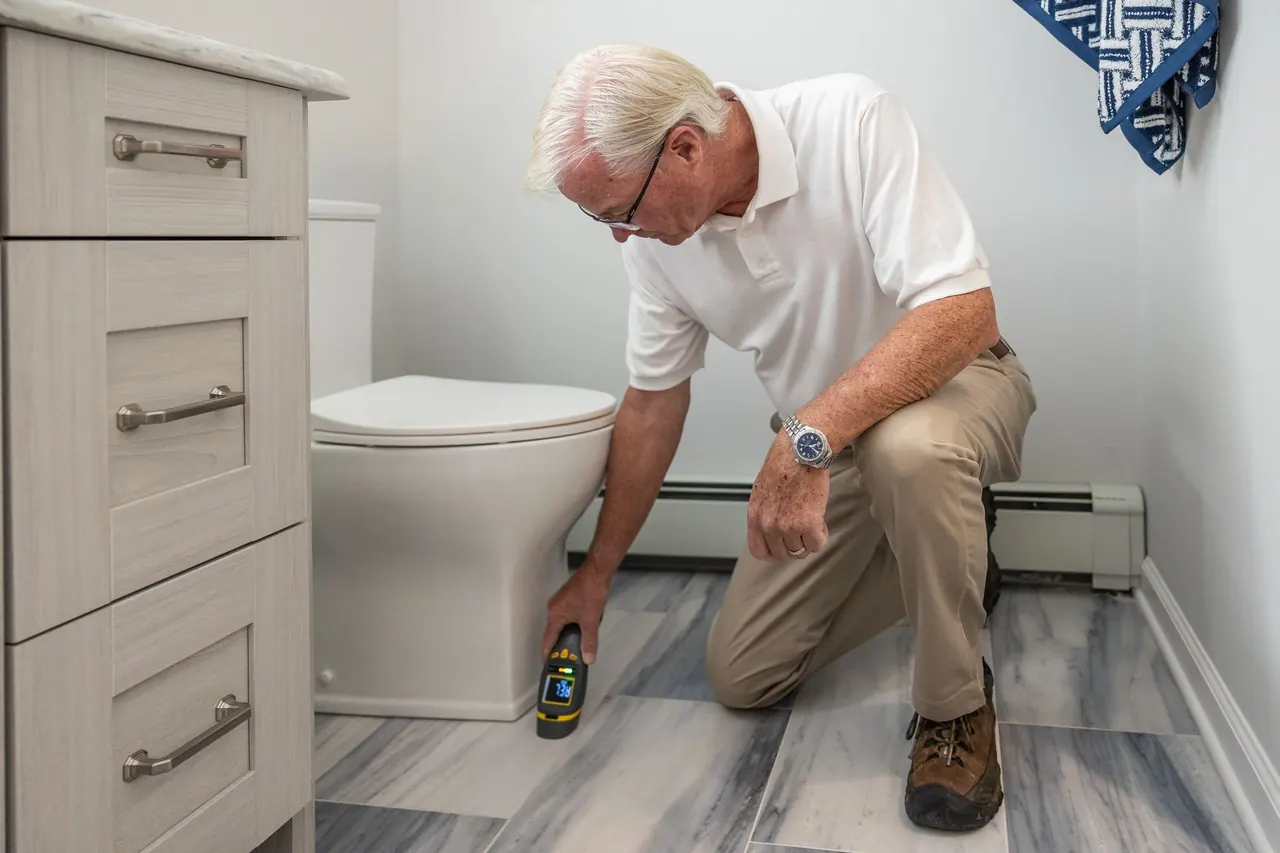
When water is actively spreading, emergency restoration stops the damage before it reaches more rooms. We extract, dry, and document. Most structural drying jobs start as an emergency call, and we handle both in one visit.
View service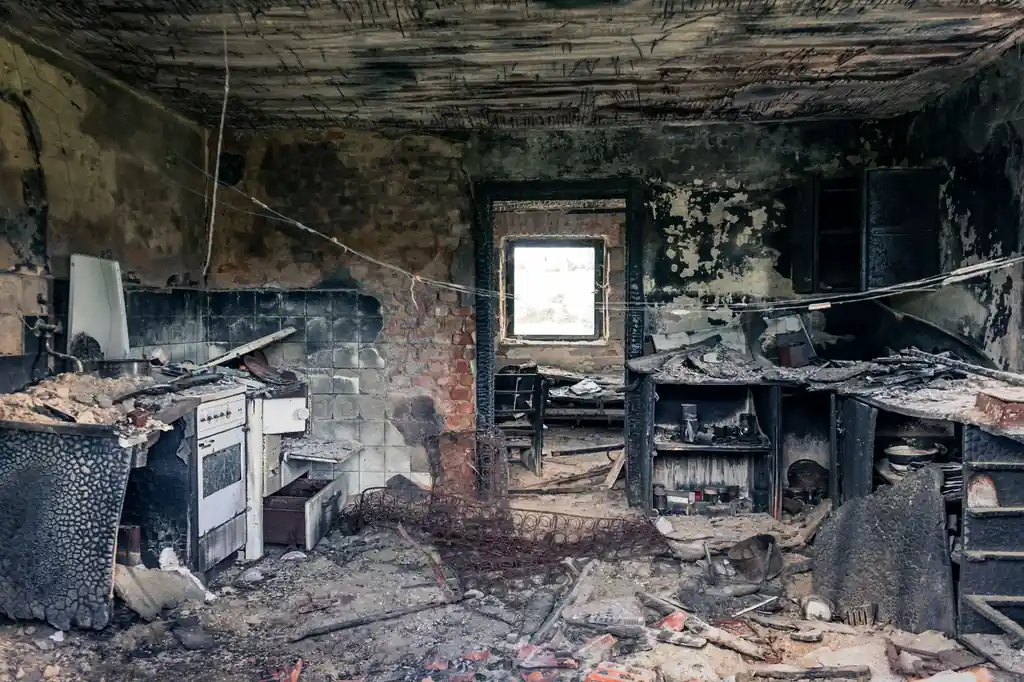
Homes in First Colony, Telfair, and Riverstone have different plumbing and flooring than commercial buildings. Our residential restoration crews know how to dry a kitchen, bathroom, or laundry room without tearing out more than necessary.
View service
Sugar Land Town Square offices and retail spaces need fast drying with minimal business interruption. We schedule after-hours drying setups and use low-profile equipment so your doors stay open while we work.
View service
Standing water comes out before structural drying can begin. We use submersible pumps and water extraction units to remove water fast, then transition straight into drying. One crew, one visit, no gap between extraction and drying.
View service
We answer the phone 24 hours a day, every day of the year. Tell us what's wet and we'll tell you what to do while we're on the way. Most Sugar Land addresses see a truck within 60 to 90 minutes, and we serve all of Fort Bend County, including ZIP codes 77498, 77478, 77479, 77487, and 77496.