Focused arrival windows
Useful updates and clear arrival timing.

Wet Carpet Drying Sugar Land TX is what we do when a supply line lets go, a water heater rusts out, or a storm pushes water under your back door. Our IICRC-trained techs pull the standing water, lift the carpet, and dry the pad and subfloor before mold gets a foothold. We run 24/7 across Fort Bend County, so call (281) 326-6146 and we roll.
Useful updates and clear arrival timing.
Review the approach and price before deciding.
Equipped vehicles and respectful cleanup.
Neighbors serving neighbors with follow-through.
Every job includes the full drying sequence, not just extraction. We inspect, extract, dry, and monitor until the carpet and subfloor hit the dry standard. If a section cannot be saved, we tell you before we start and adjust the scope.
We map the wet zone with a moisture meter, thermal imaging camera, and hygrometer before we touch anything. That tells us exactly how far the water traveled and what needs drying, so you are not paying to dry rooms that never got wet.
We pull standing water with a submersible pump or wet/dry vacuum, then run a water extraction unit across the carpet. This is the step that removes the bulk of the water and cuts total drying time by a day or more.
Carpet pad holds water like a sponge and will not dry under the carpet. We lift the carpet, remove the pad, and dry it separately or replace it if it is too far gone. Reusing a soaked pad is how you get mold under a carpet that feels dry.
We apply an antimicrobial solution to the affected carpet, pad, and subfloor to stop mold and bacteria from taking hold while the area dries. This matters most when the water sat for more than a day or came from a contaminated source.
We come back each day to log moisture readings with a hygrometer and moisture meter. When the carpet, pad, and subfloor all hit the dry standard, we pull the equipment and re-stretch the carpet. You get the readings in writing.
Share what is happening and receive a clear next step from the local team.
Wet Carpet Drying Sugar Land TX is the controlled removal of water from carpet fiber, padding, tack strip, and the subfloor beneath, followed by measured evaporation until every layer reads dry on a moisture meter. We start with a submersible pump or wet/dry vacuum to pull the bulk water, then separate the carpet from the pad so air can move underneath. Air movers and dehumidifiers run in a closed loop, and we log readings every visit until the floor hits its dry standard. Most residential jobs take two to four days.
Sugar Land sits on clay-heavy soil and gets hammered by Gulf humidity, so a small leak rarely stays small. A slab leak in First Colony or a burst pipe in Riverstone can soak 300 square feet of carpet overnight, and our summer humidity slows natural evaporation to a crawl. That is why so many homeowners search for a carpet drying service Sugar Land can rely on rather than waiting it out. If you are looking for wet carpet drying Sugar Land TX near me, the clock matters: mold can colonize a damp pad in 24 to 48 hours.

You call (281) 326-6146 and describe what happened. We ask about the water source, how long it has been sitting, and whether the carpet is over slab or a crawl space. That tells us what equipment to load. We give you an arrival window and a straight answer on what the job will cost.
A tech walks the room with a moisture meter, hygrometer, and thermal imaging camera to map how far the water traveled. We check baseboards, drywall, and the subfloor for hidden water damage behind walls. This takes 20 to 30 minutes and sets the drying plan.
We pull standing water with a submersible pump or wet/dry vacuum, then run a water extraction unit across the carpet to pull water out of the fibers. This is the single biggest step in the whole job. Get the bulk water out fast and the rest of the drying time drops.
We lift the carpet, remove and dry the pad, and position air movers and dehumidifiers to create a drying loop. A desiccant or refrigerant dehumidifier pulls moisture from the air while the air movers keep it moving across the carpet surface. We set the equipment and walk you through what to expect.
We come back daily to log moisture readings with a hygrometer and moisture meter. When the carpet, pad, and subfloor all hit the dry standard, we pull the equipment, re-stretch the carpet, and hand you a written record of the readings. Most jobs run two to four days.
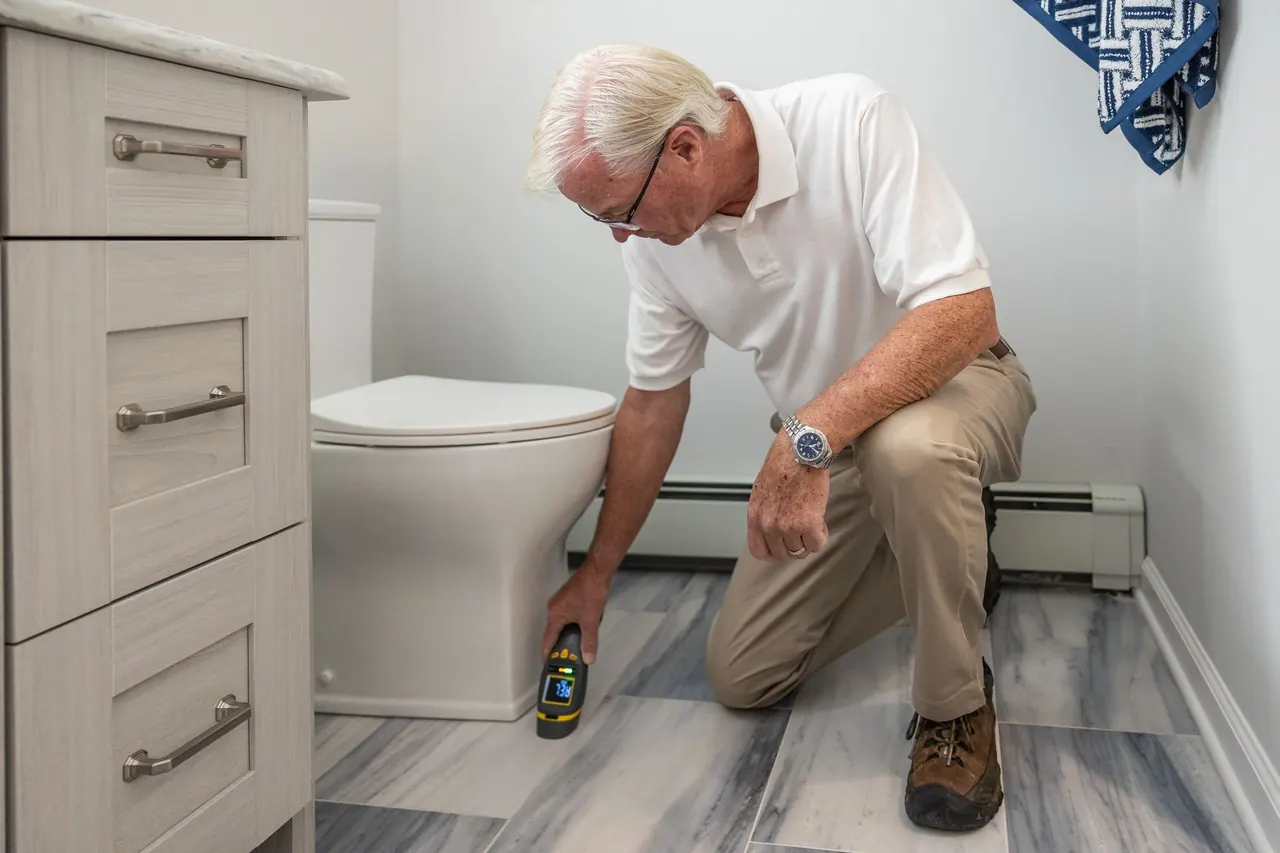
We use these on every visit to measure moisture in the carpet, pad, and subfloor, and to track humidity in the room. The readings tell us when the job is actually done, not just when the carpet feels dry.
This shows temperature differences that reveal hidden water behind walls, under baseboards, and past the visible wet zone. It is how we find water that spread 10 feet past where the carpet looks wet.
These push high-volume air across the carpet surface to speed evaporation. We position them to create a circular airflow pattern so no corner of the room stays damp.
Air movers alone just move wet air around. We run Phoenix refrigerant or desiccant dehumidifiers to pull that moisture out of the air so the carpet can keep drying.
This is the heavy equipment that pulls water out of the carpet fibers and pad after we remove the standing water. Getting the bulk water out fast is the single biggest factor in total drying time.
We use this to look inside wall cavities and under cabinet bases without cutting anything open. It confirms whether water wicked into the drywall behind the baseboard.
We follow the IICRC S500 standard for water damage restoration on every job. It sets the drying goals, the monitoring schedule, and the documentation requirements. Following it is what makes our moisture logs stand up to an insurance adjuster's review.
We set air movers and dehumidifiers to work together in a closed loop. The air movers evaporate moisture off the carpet while the dehumidifiers pull it out of the air. Run one without the other and you just move the water around the room.
We log moisture readings every day until the carpet, pad, and subfloor all hit the dry standard. You get the readings in writing. This is how we prove the job is done and how your insurance claim gets approved without a fight.
We apply an antimicrobial solution to the affected carpet, pad, and subfloor before drying. It stops mold and bacteria from colonizing while the area is still wet. This is standard on any job where the water sat more than 24 hours.
We extract the water with a wet/dry vacuum and water extraction unit, lift the carpet, and dry the pad and subfloor with air movers and a dehumidifier. We check the baseboards and drywall for wicking. Most hallway carpet jobs dry in two to three days, and the carpet is re-stretched and back in service without replacement.
We remove the contaminated carpet and pad, extract the standing water, treat the subfloor with antimicrobial solution, and dry the structure. We document the loss for your insurance claim. The subfloor is dry and treated, and you have a clean paper trail showing the before and after for your adjuster.
We shut off the supply, pump out the standing water, and extract the carpet and pad. Then we set air movers and a dehumidifier and check the subfloor with a moisture meter each day. Most laundry room jobs dry in two days, and the carpet is saved if we get to it within 24 to 48 hours.
We map the wet zone with a thermal imaging camera and moisture meter, extract the water, and dry the carpet, pad, and subfloor. We coordinate with your plumber to stop the leak. The carpet and subfloor dry in three to four days, and you avoid a full floor replacement.
Sugar Land sits on clay-heavy soil that shifts with every wet and dry cycle, and that is hard on slab plumbing. Slab leaks are one of the most common carpet losses we see in older neighborhoods like Sugar Creek and Old Sugar Land, while newer builds in Riverstone and Aliana tend to see supply line and appliance failures. Add Gulf humidity from May through October and natural evaporation slows to a crawl, which is why a professional carpet drying service Sugar Land homeowners call early saves more carpet. We follow the IICRC S500 standard and work to the Texas Department of Licensing and Regulation (TDLR) requirements for mold-related work. If you are searching for how to dry wet carpet in Sugar Land, the short answer is: extract the water, lift the pad, and run air movers and dehumidifiers until a moisture meter says dry. We do that across Fort Bend County, and we document every reading for your insurance claim.
Many homes here have original plumbing that is now at the age where supply lines and water heaters fail. We see a steady flow of hallway and closet carpet losses from those failures.
Newer construction with PEX supply lines, but storm-driven water under doors and window leaks still soak carpet fast during Gulf storm season.
Established neighborhood with mature trees and older slab plumbing. Slab leaks that soak living room carpet from below are common here.
Two-story homes where an upstairs supply line failure sends water through the ceiling and into the carpet below. We dry both layers together.
Larger lots with more carpet square footage, so a single water loss can soak several rooms. We bring enough air movers and dehumidifiers to handle the whole area.
High outdoor humidity slows carpet drying and can add a day or more to the job. We run dehumidifiers harder and check readings more often during those months.
This is the main driver of slab leaks in Sugar Land. When a slab leak soaks carpet from below, we dry the subfloor directly and coordinate with a plumber to stop the source.
Supply lines, water heaters, and washing machine hoses fail more often in these homes. We keep extraction and drying equipment ready for the call.
A 50-gallon water heater rusted out in a First Colony home and dumped water into the hallway carpet. The carpet was soaked across 180 square feet, and the pad was saturated. The homeowner called us within an hour of finding it.
We extracted the water, lifted the carpet, and dried the pad and subfloor with Dri-Eaz air movers and a Phoenix dehumidifier. Three days later all layers hit the dry standard, and we re-stretched the original carpet. The homeowner saved the carpet and the insurance claim covered the drying.
Maintenance: Replace the water heater anode rod every two to three years and check the pan drain line each spring. That is cheap insurance against a repeat.
A slab leak soaked the living room carpet in a Sugar Creek home. The visible wet area was about 100 square feet, but a thermal imaging camera showed the water had spread 10 feet past that into the pad and subfloor.
We extracted the water, lifted the carpet, and dried the pad and subfloor across the full 220-square-foot wet zone. Four days of monitoring brought every layer to the dry standard. The carpet was saved and the plumber stopped the leak.
Maintenance: Watch for warm spots on the floor and unexplained jumps in your water bill. Both are early signs of a slab leak before the carpet gets wet.
A Gulf storm pushed water under the back door of a Riverstone home and soaked the carpet in two rooms. The water was contaminated, so the carpet and pad could not be dried and reused. About 300 square feet was affected.
We removed the carpet and pad, extracted the standing water, treated the subfloor with antimicrobial solution, and dried the structure in three days. We documented the loss with photos and moisture logs, and the insurance claim covered the replacement.
Maintenance: Check door sweeps and thresholds before storm season and keep gutters clear. Both reduce the chance of water getting under the door next time.
Most carpet losses start small and get expensive fast. Here is what we see across Sugar Land and how we handle it.
Slab leaks in Sugar Land's clay soil push water up through the floor and soak the carpet from below. By the time you feel it, the pad and subfloor have been wet for days and mold is already starting. We extract the water, lift the carpet, and dry the pad and subfloor directly with air movers and dehumidifiers. We work alongside your plumber to stop the source, then dry until the moisture meter reads dry. Most slab leak carpet jobs take three to four days.
A burst supply line can dump 50 gallons a minute. Carpet, pad, and baseboards soak through in under an hour, and the water wicks into drywall before you wake up. We shut down the water, extract with a submersible pump and water extraction unit, then set up a full drying system. We check the wall cavity with a boroscope so the drywall does not stay wet behind the baseboard. Most jobs dry in two to three days.
Gulf storms drive rain under doors and through roof leaks. Storm water is contaminated, so carpet soaked by it usually cannot be dried and reused, and the subfloor needs treatment. We remove the unsalvageable carpet and pad, extract the standing water, and treat the subfloor with antimicrobial solution. Then we dry the structure and document everything for your insurance claim. We handle storm losses across Fort Bend County every season.
A fridge ice maker line or dishwasher leak can soak the carpet behind the appliance for weeks before you smell it. By then the pad is black and the subfloor is stained. We use thermal imaging and a moisture meter to find the full wet zone, extract the water, and dry the carpet and subfloor. If the pad is too far gone, we replace it. We also check the cabinet base with a boroscope to catch hidden moisture.
$350 - $1,200 depending on scope
Typical 2026 pricing for wet carpet drying in Sugar Land runs $350 to $1,200 for a residential job, depending on square footage, water category, and how long the water sat. A single room with clean water is on the low end. Multiple rooms, contaminated water, or a job that needs pad replacement and antimicrobial treatment pushes toward the top. We give you a written range before we start, and we bill most insurance carriers directly so you are not fronting the whole cost.
You are paying for equipment, certified labor, and daily monitoring that saves the carpet and stops mold. Replacing carpet and pad in two rooms runs more than the drying job, and mold remediation runs more still.
The bigger the wet area, the more equipment and the more monitoring visits the job needs. A single bedroom might need three air movers. A whole first floor might need twelve plus two dehumidifiers.
Clean water from a supply line is the simplest job. Gray water from a washing machine or dishwasher needs antimicrobial treatment. Black water from sewage or flooding usually means the carpet and pad have to be removed and replaced.
Carpet soaked for a few hours dries faster and is more likely to be saved. Water sitting more than 48 hours raises the odds of mold and pad replacement, which adds cost and time.
Pad that can be dried and reused saves money. Pad that is delaminated, contaminated, or too far gone has to be replaced, which adds material and labor to the job.
Carpet over a slab dries differently than carpet over a crawl space or a second-story subfloor. Access affects how we position equipment and how long the job runs.
Most sudden water losses are covered by homeowners insurance. We document the job with photos and moisture logs and bill the carrier directly, so your out-of-pocket cost is usually just your deductible.
Our techs hold IICRC WRT (Water Restoration Technician) and IICRC ASD (Applied Structural Drying) certifications, and we follow the IICRC S500 standard on every job. We work Fort Bend County water losses daily, from slab leaks in Sugar Creek to storm intrusion in Riverstone. That local experience means we know how Sugar Land homes are built, where water hides, and how fast the Gulf humidity slows drying. We carry EPA Lead-Safe and OSHA 10 credentials and document every job for your insurance claim.
Our water heater let go on a Saturday and soaked the hallway carpet. They were at the house in about two hours, pulled the water out, and set up fans and a dehumidifier. Three days later the carpet was dry and re-stretched. They documented everything for our insurance and the claim went through without a hassle.
A slab leak soaked the carpet in our living room and we had no idea how far it spread. The tech used a thermal camera and found water 10 feet past where it looked wet. They dried the pad and subfloor and saved the carpet. I would not have known to check that far.
We had a supply line fail in a ground-floor office and the carpet was soaked by morning. They extracted, dried, and had us back to normal in four days. The moisture logs they gave us made the insurance side easy. Straight answers and no surprise charges.
Most residential wet carpet drying jobs in Sugar Land run $350 to $1,200 depending on square footage, water category, and how long the water sat. A single room with clean water is on the low end. Multiple rooms with contaminated water, or a job that needs pad replacement and antimicrobial treatment, pushes toward the top. We give you a written range before we start and bill insurance directly when the loss is covered.
Most carpet dries in two to four days with commercial air movers and dehumidifiers running continuously. Sugar Land humidity can stretch that to five days in summer if the AC is off or windows are open. We log moisture readings daily and do not pull equipment until the carpet, pad, and subfloor all hit the dry standard. Rushing it is how you end up with mold.
Yes. We run IICRC-certified crews across Sugar Land and Fort Bend County with Dri-Eaz air movers, Phoenix dehumidifiers, and moisture meters on every truck. Call (281) 326-6146 and we dispatch the same day. We handle everything from a single soaked bedroom to a whole first floor after a slab leak, and we document the job for your insurance carrier.
Often yes, if you act within 24 to 48 hours and the water was clean. Carpet soaked by a burst pipe or appliance leak can usually be dried in place and re-stretched once the pad and subfloor are dry. Carpet exposed to sewage, flood water, or more than 72 hours of standing water usually needs replacement. We inspect and tell you straight which side of that line you are on.
Not seeing your question? Our local team can help you understand urgency, scheduling and what to expect.
Ask the local teamWhen a pipe bursts at 2 a.m., this is the first call. We stop the water, extract it, and set up drying before the damage spreads. Most wet carpet jobs in Sugar Land start here, then move into targeted carpet drying.
View service
Whole-home water losses from slab leaks, appliance failures, or storm intrusion. We dry carpet, drywall, and subfloor together so one wet layer does not re-wet the others after we finish.
View service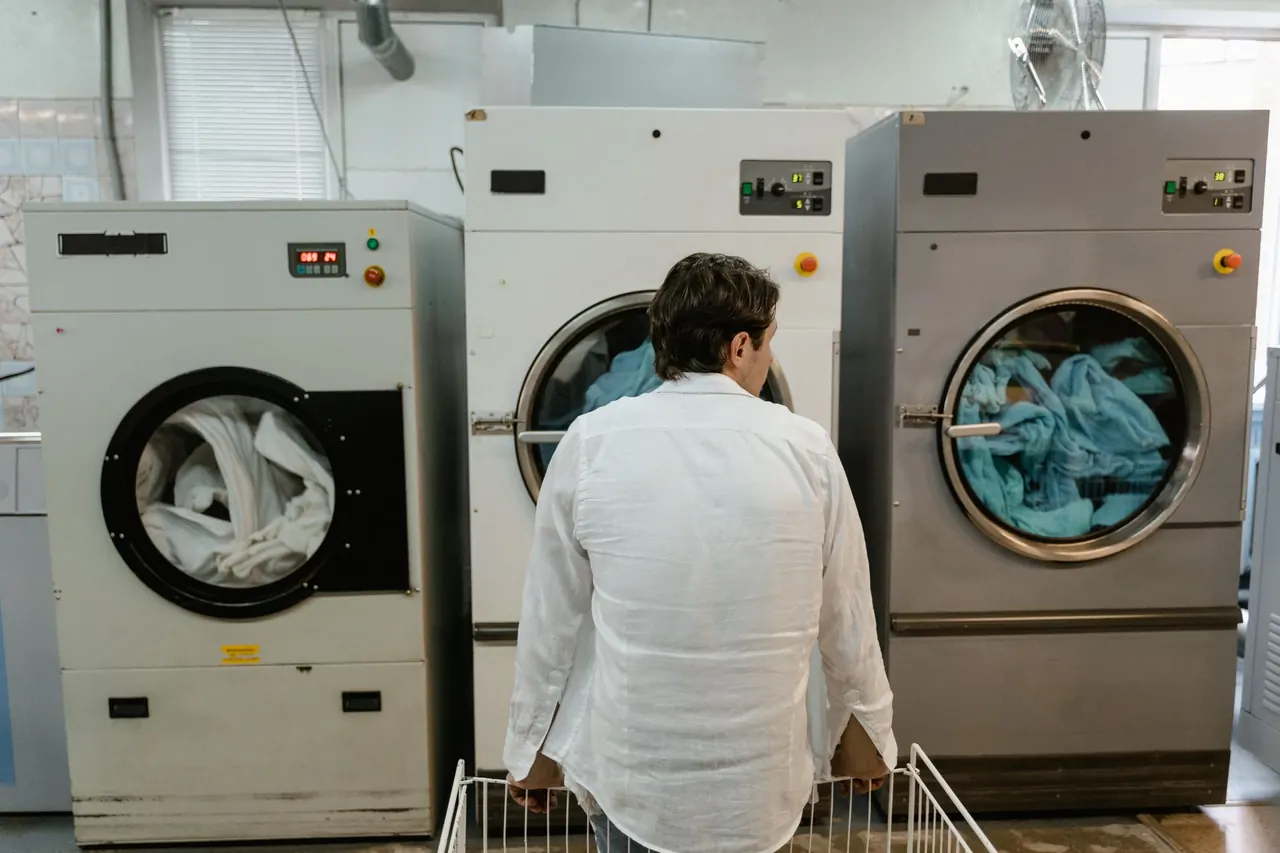
Offices, retail, and restaurants in Sugar Land Town Square and along Highway 6. We work after hours to keep you open, dry the carpet and flooring, and document everything for your property claim.
View service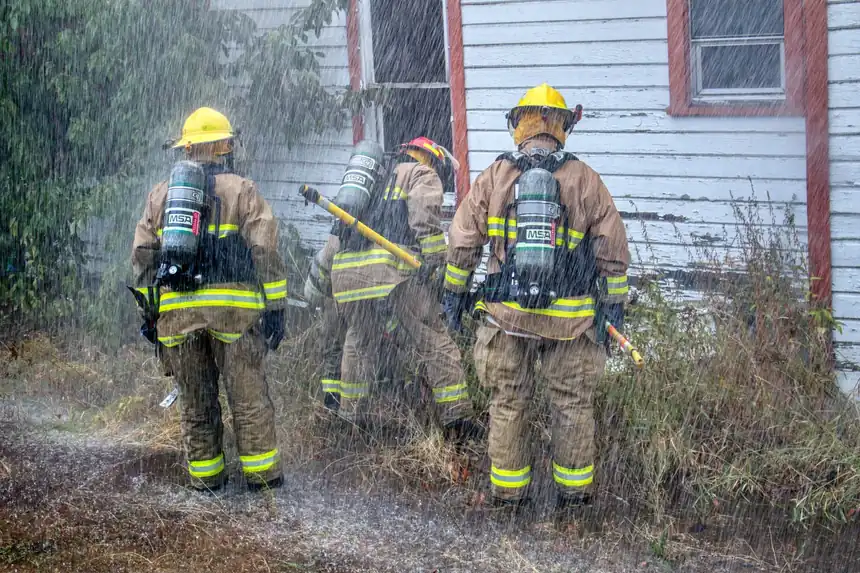
The step before drying. We pull standing water with a submersible pump and water extraction unit, which cuts total drying time by a day or more on a typical Sugar Land carpet loss.
View service
We answer the phone 24 hours a day, every day of the year. Tell us what's wet and we'll tell you what to do while we're on the way. Most Sugar Land addresses see a truck within 60 to 90 minutes, and we serve all of Fort Bend County, including ZIP codes 77498, 77478, 77479, 77487, and 77496.